Beyond Classic Diamond Shapes: A Guide to Modern Fancy Cuts


Most people are familiar with standard diamond shapes like round, oval, cushion, and emerald. In traditional jewelry terms, anything outside of round is considered a fancy shape.
In practice, though, that definition only covers the basics.
Today, more diamond designs are moving beyond standard proportions within those shapes. Elongated ovals, extended cushions, step cut pears, and refined marquise variations are becoming increasingly popular. These are not entirely new shapes. Instead, they are reinterpretations of proportion and structure.
The changes may seem subtle at first, but they can completely affect how a diamond looks on the hand and how a ring feels overall.
What Is a Fancy-Shaped Diamond?
In the most basic sense, a fancy-shaped diamond refers to any shape that is not round brilliant.
That includes oval, pear, marquise, emerald, cushion, princess, and more. These shapes differ not only in outline, but also in how they reflect light and how they appear once set.
Round diamonds are designed for maximum brilliance. Fancy shapes, by contrast, often emphasize outline, proportion, and overall presence.
In modern jewelry, the term “fancy shape” is sometimes used more loosely. In some cases, it refers to variations within a shape itself, including changes in length-to-width ratio, facet arrangement, or silhouette.

Beyond Classic Shapes: What Actually Makes a Diamond Feel Different
Once you move past the basic names, what really defines a diamond’s look comes down to a few details.
Proportion is one of the most important.
Length-to-width ratio changes how a diamond sits on the hand and how the overall shape is perceived. Even small proportion changes can create a noticeably different look.
Elongated outlines tend to feel sharper and more directional, while shorter proportions appear softer and more compact.
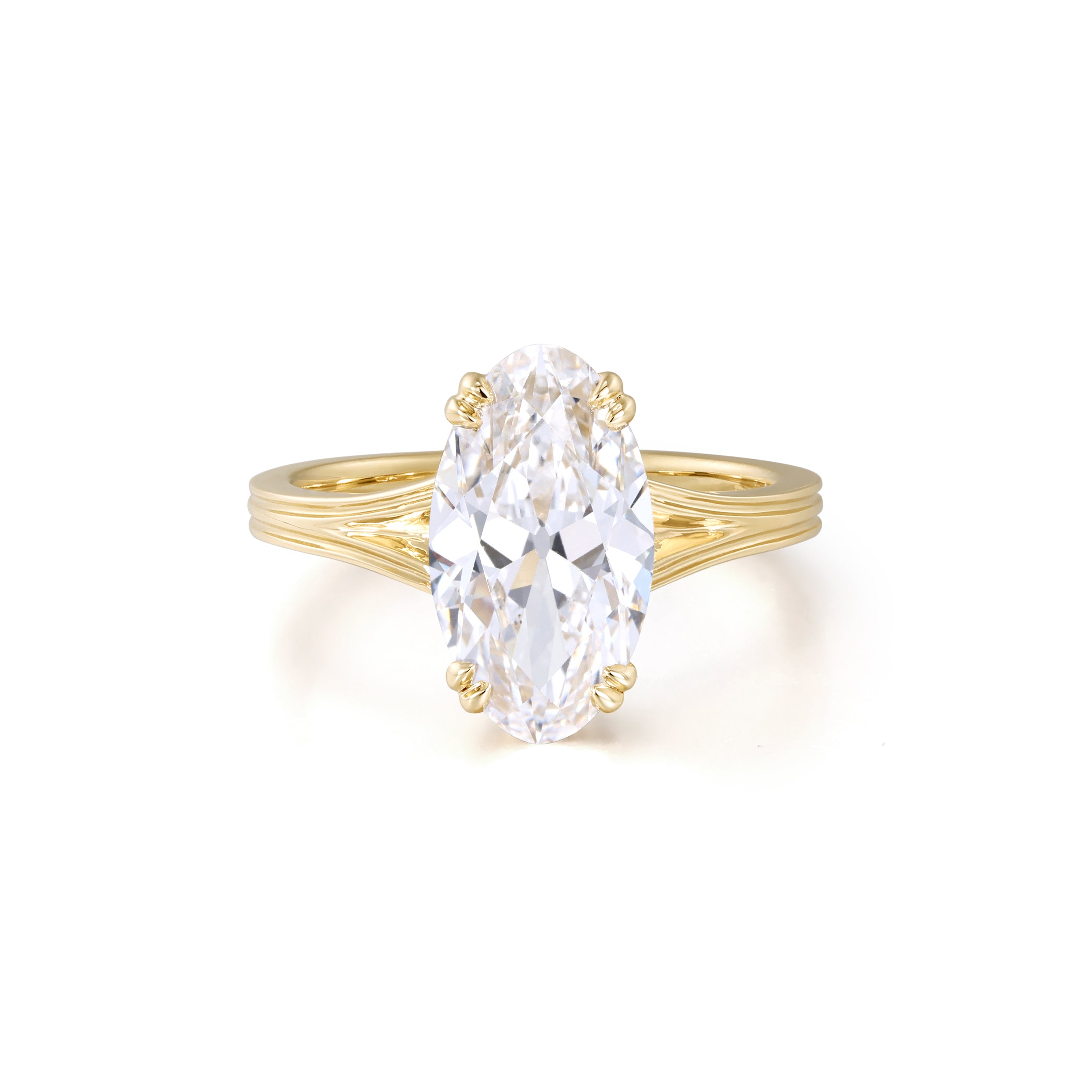
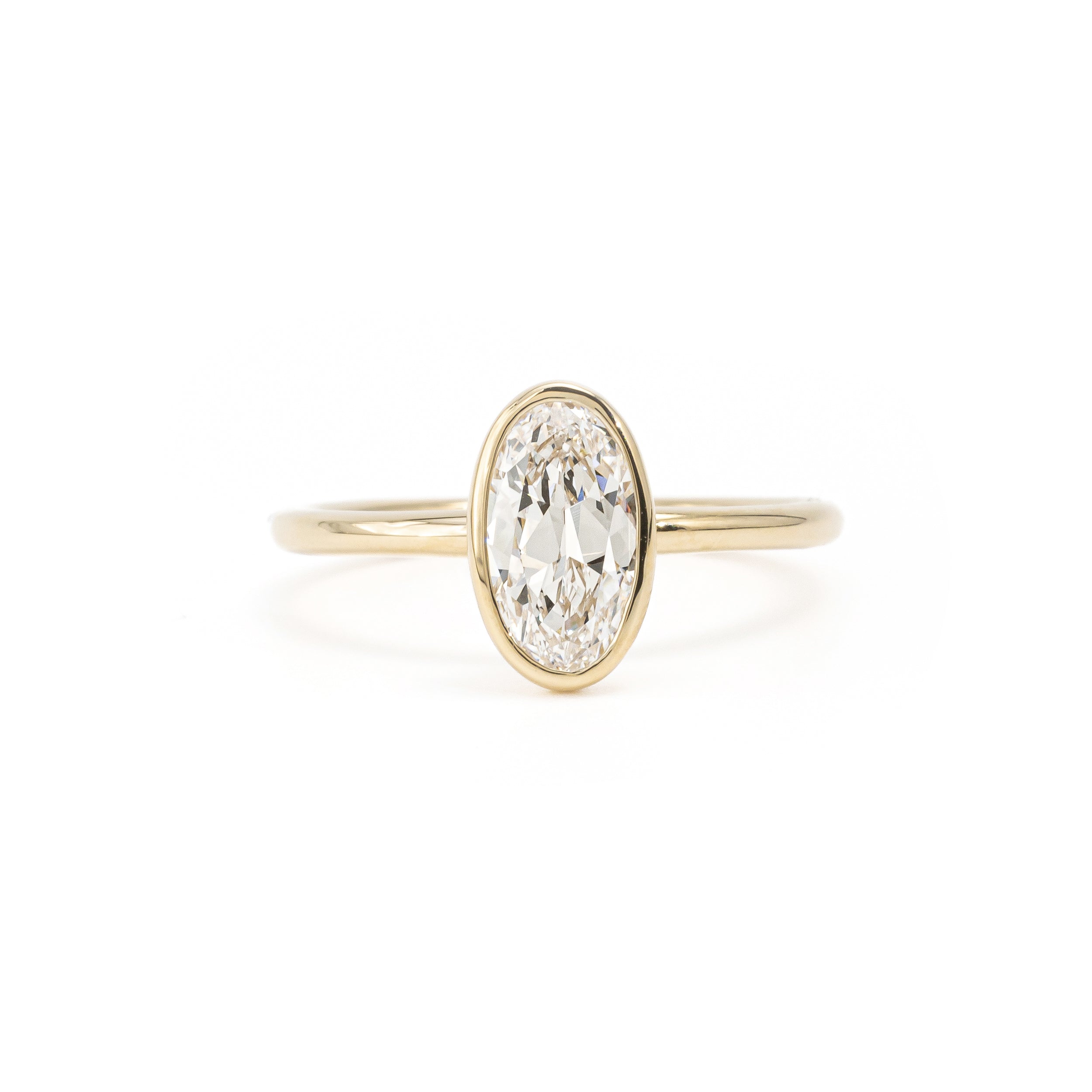
Oval diamonds are one of the clearest examples. Standard ovals often fall around a 1.35 to 1.50 ratio. Once the ratio moves beyond roughly 1.55, the shape begins to feel noticeably more elongated.
Some modern elongated ovals (moval) variations extend beyond 1.65, creating a longer silhouette and stronger finger coverage. Cushion cuts behave similarly.
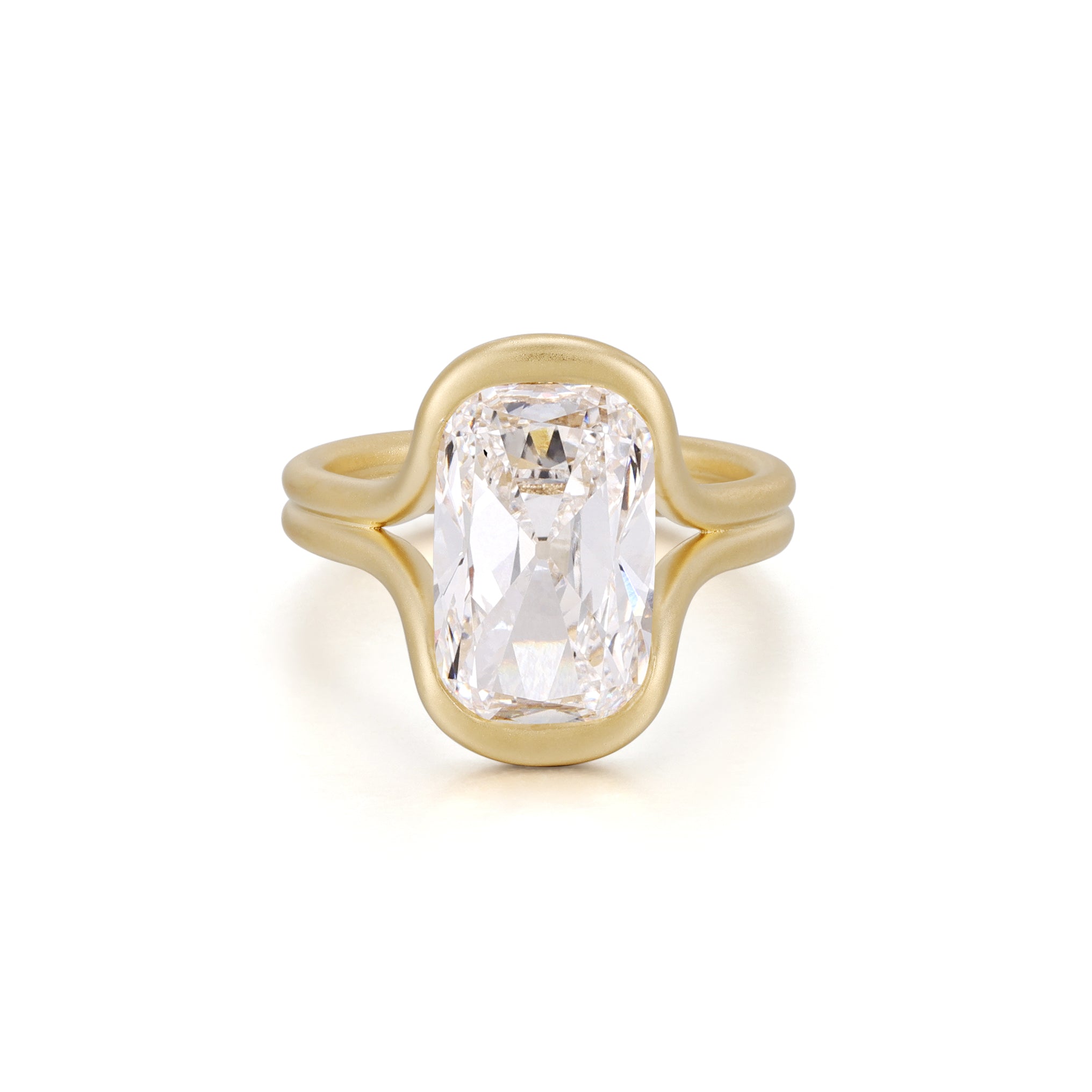
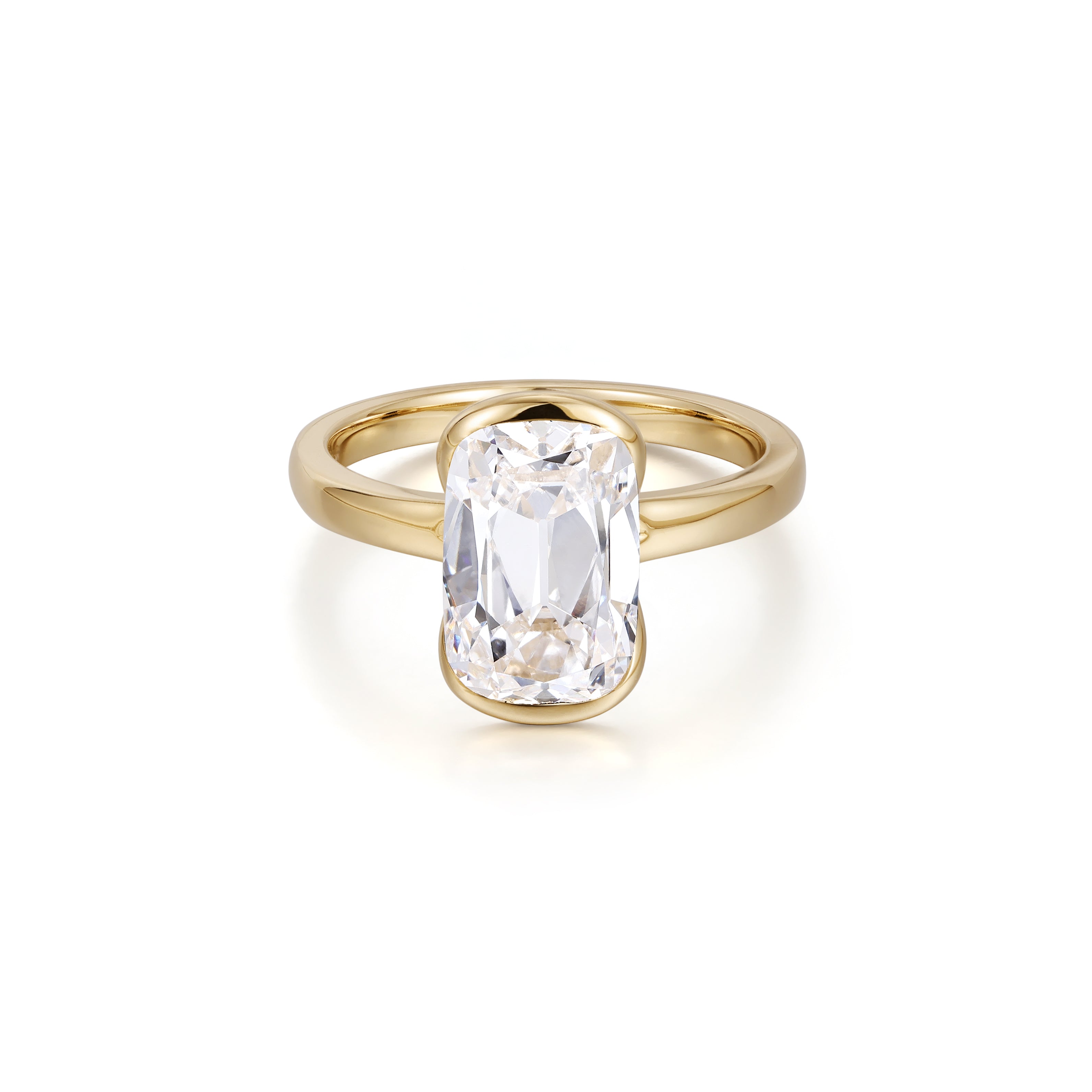
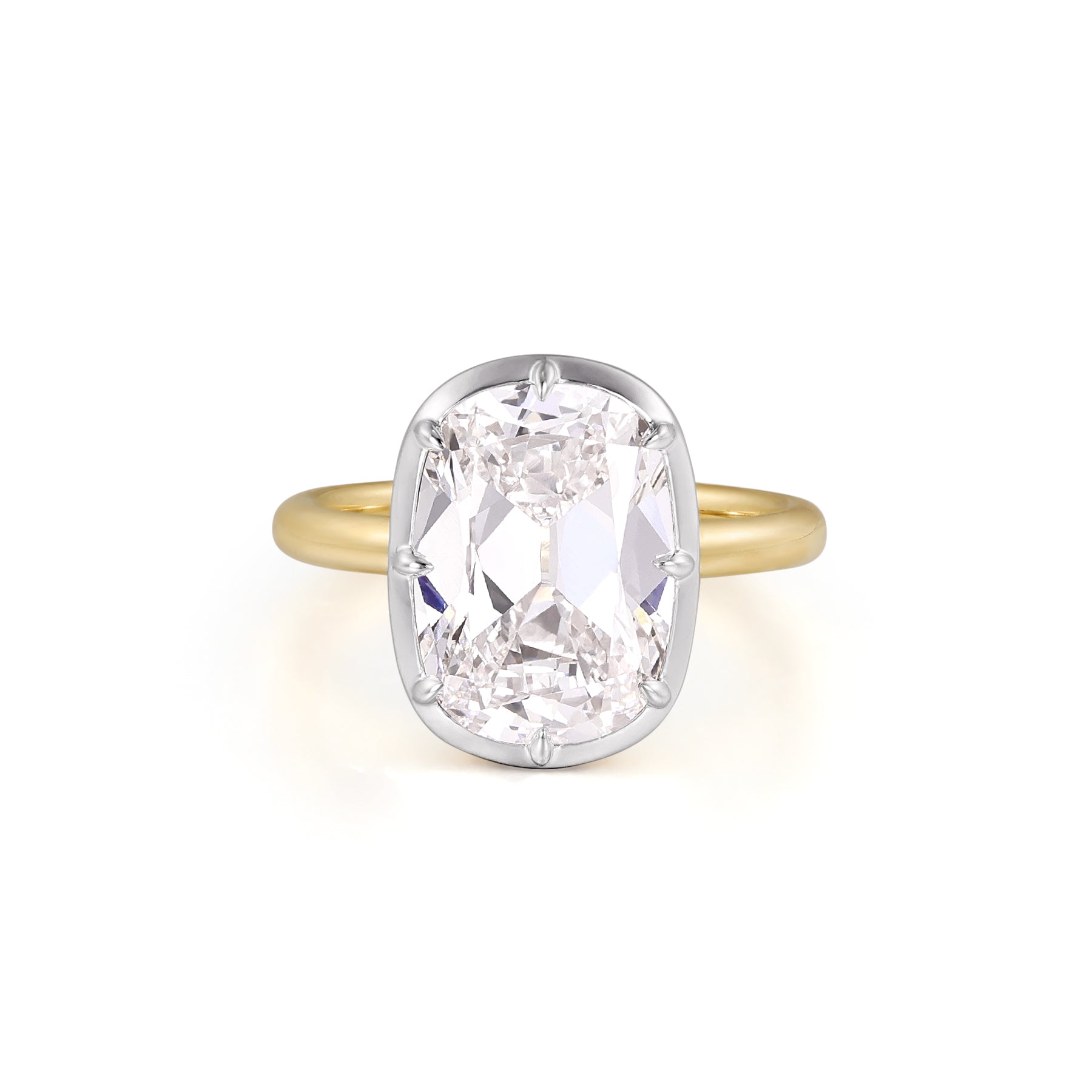
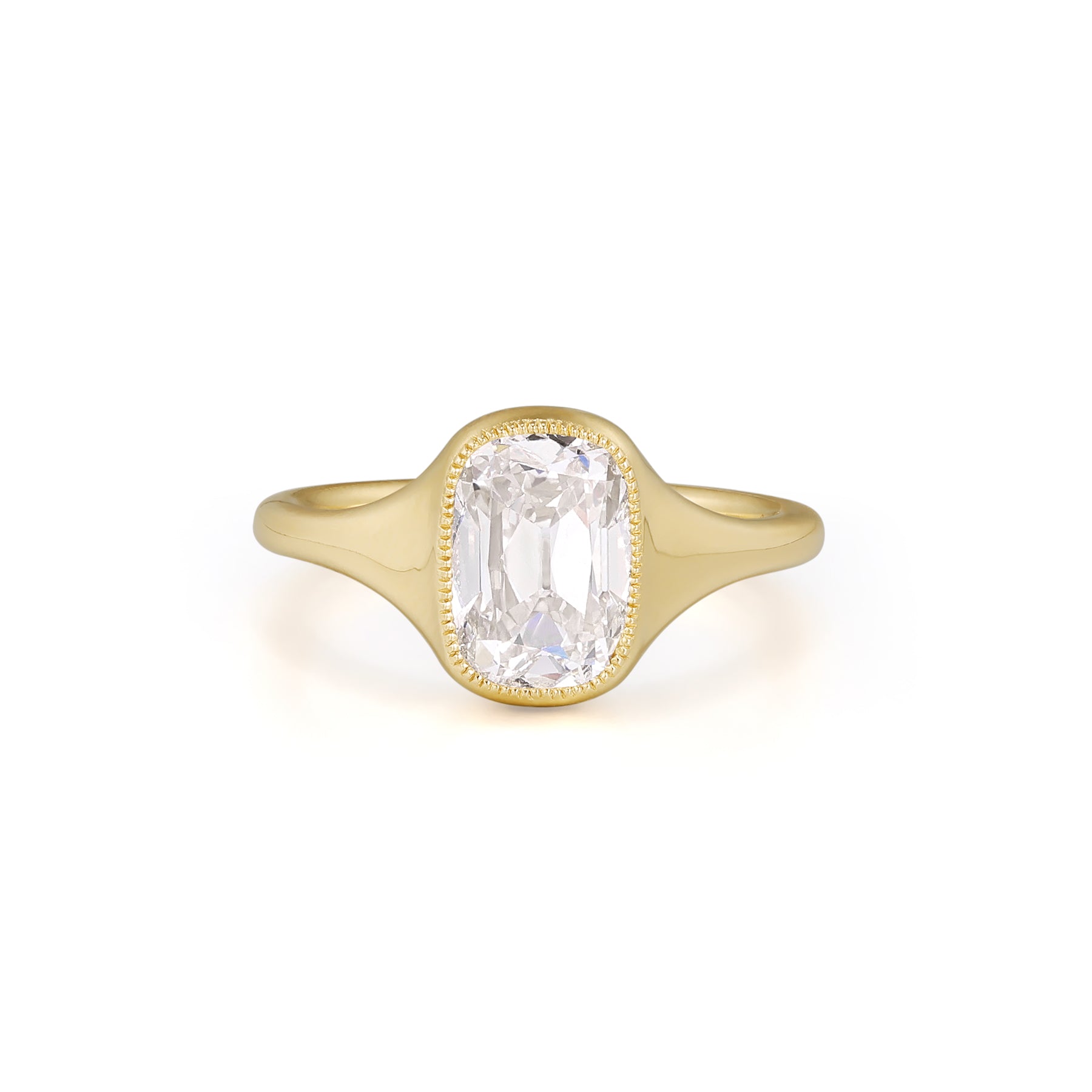
Traditional cushions tend to feel softer and more square, while elongated cushions usually begin around 1.15 to 1.20 and create a more refined, modern outline.
Marquise diamonds are already naturally elongated, though proportion still affects the overall balance. Ratios above 2.00 tend to create a sharper and more dramatic appearance.
Outline also matters.
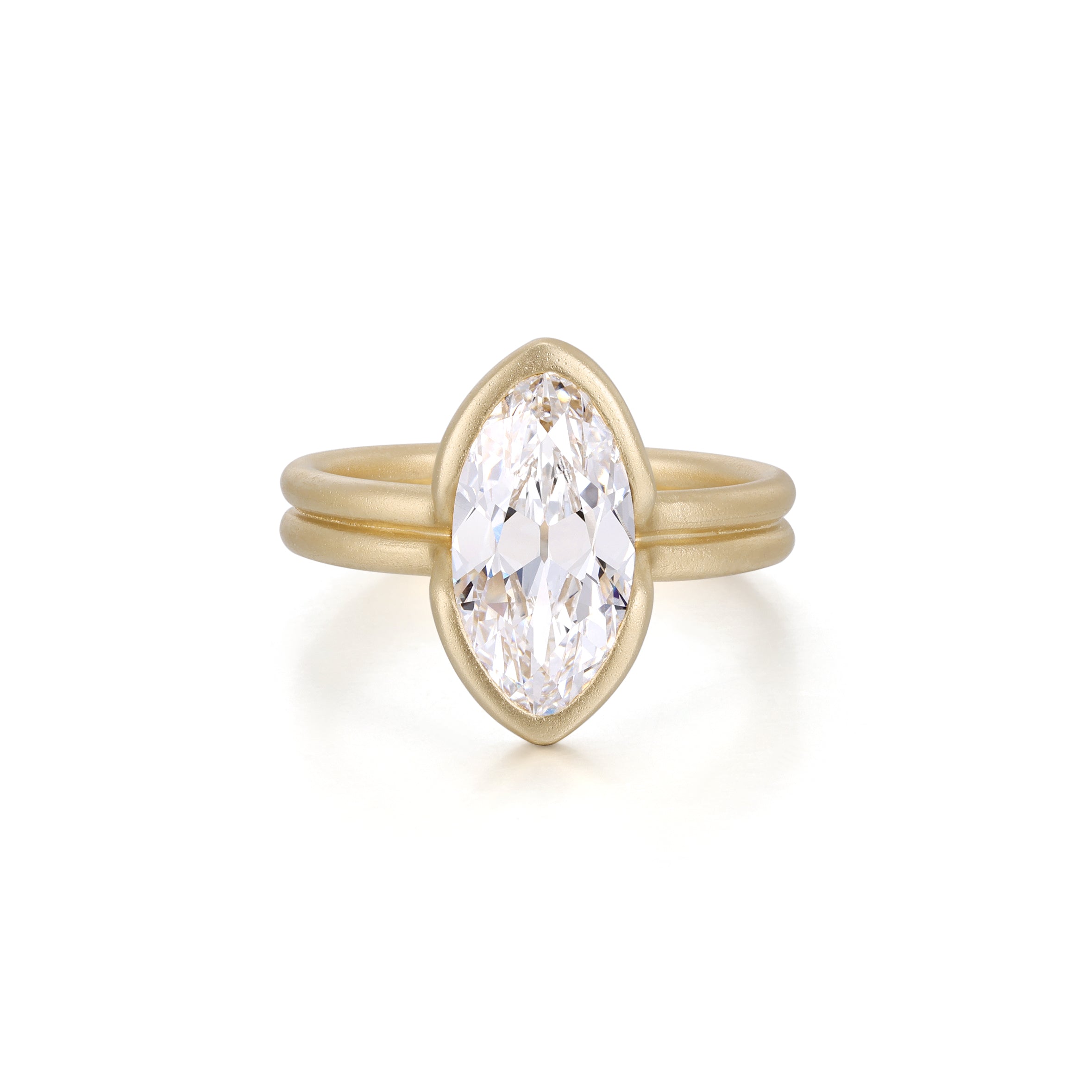
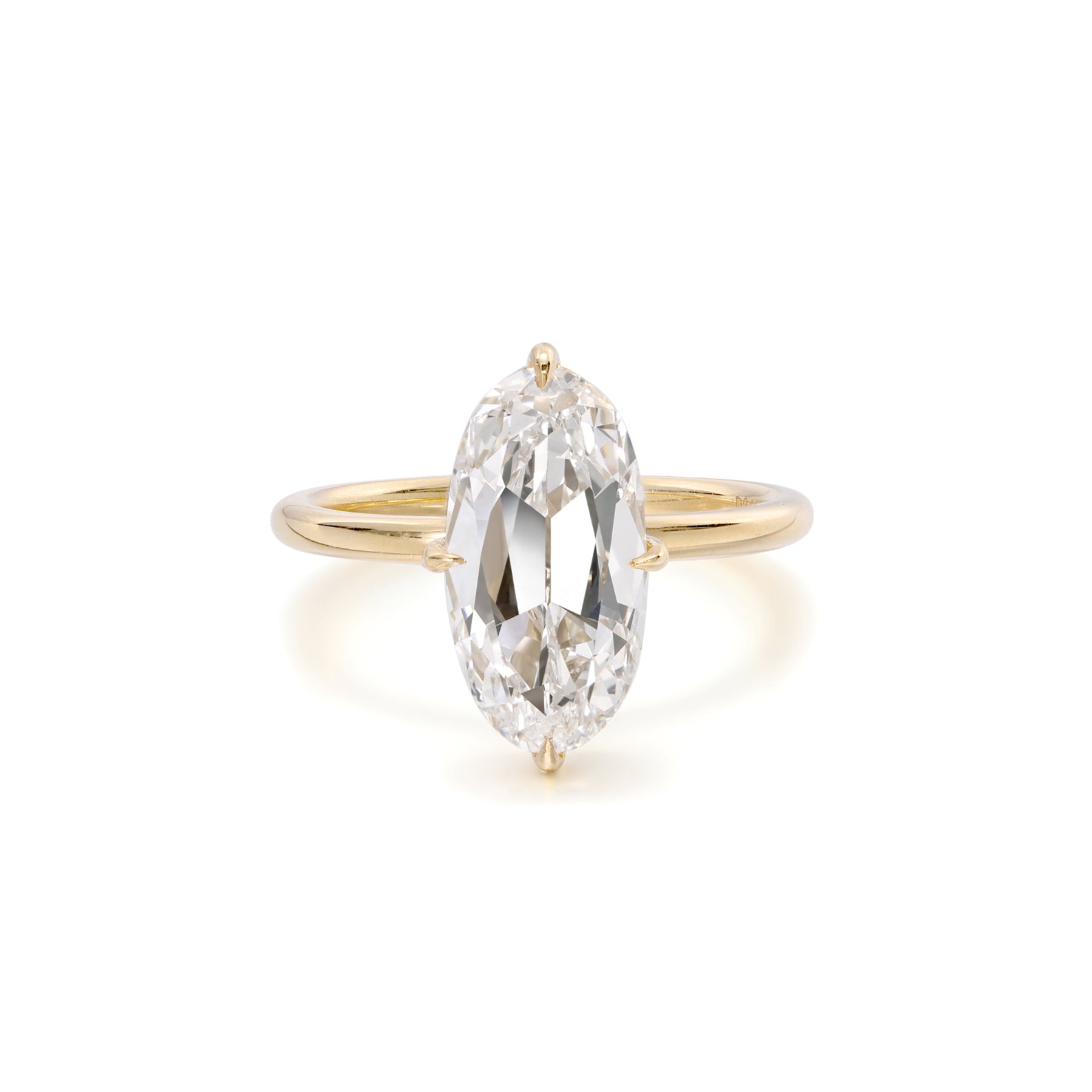
Some diamonds sit neatly within a classic shape. Others fall somewhere in between. A moval, for example, blends the softness of an oval with the taper of a marquise. It feels familiar, but not standard.
Cutting style adds another layer.
A step cut creates a more structured, mirrored look. A brilliant-style cut introduces more movement and sparkle. Even within the same shape, this can completely change how the diamond reads.
These differences may seem subtle at first, but they are what make one ring feel traditional and another feel distinctly modern.
Modern Fancy Diamond Shapes to Know
As more people look for something less expected, certain shape variations have become increasingly popular.
Moval (Marquise + Oval)
A moval sits between a marquise and an oval. It keeps the soft curves of an oval while introducing slightly tapered ends. Compared to a marquise, it feels less sharp. Compared to an oval, it feels more directional. It is a natural choice for someone who wants something familiar but not common.
Elongated Cushion
Traditional cushions tend to feel soft and slightly rounded. An elongated cushion stretches that outline, creating a more modern silhouette. It still carries some of the vintage character of a cushion, but with a longer, more refined look on the finger.
Step Cut Pear
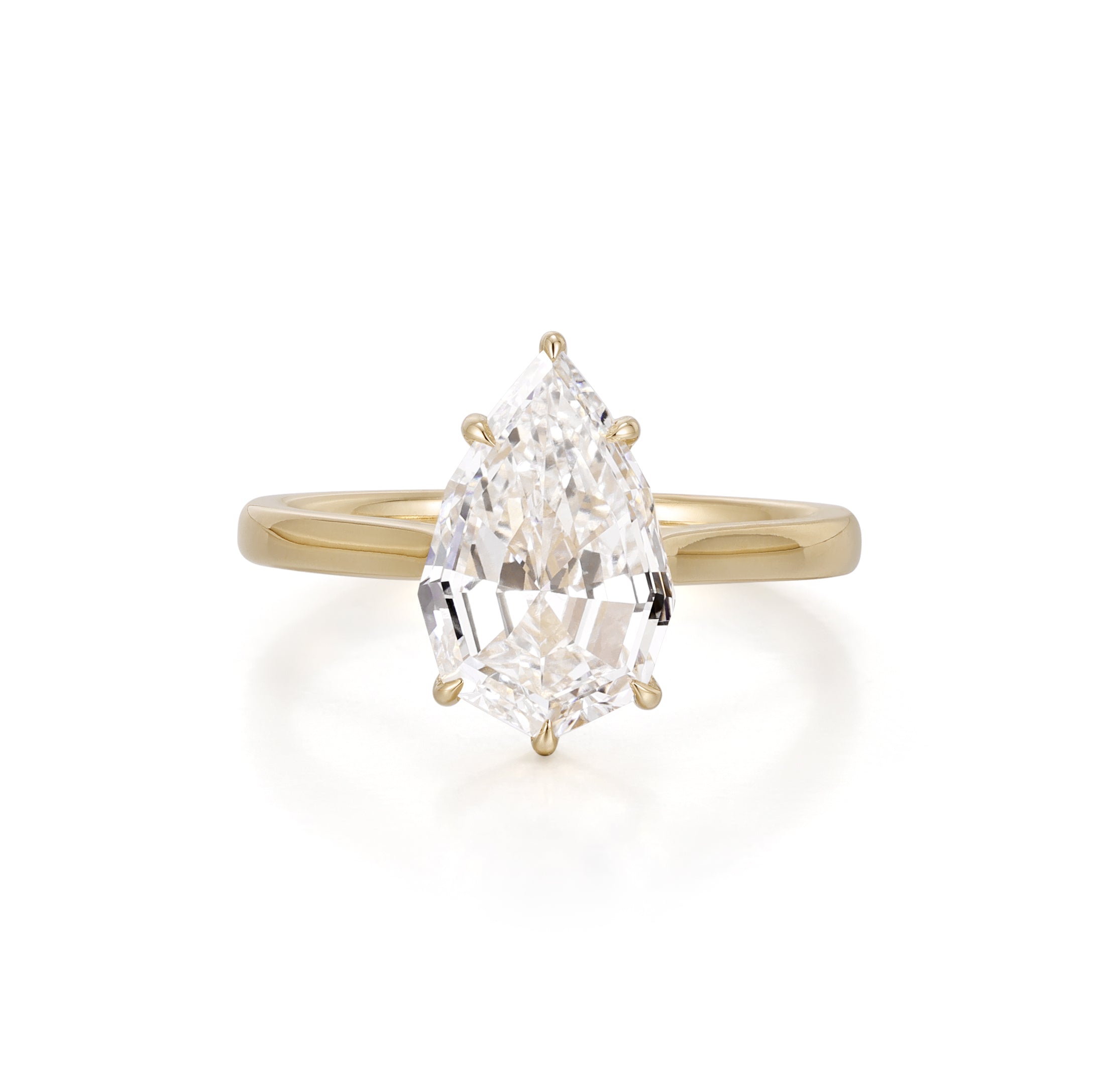
This is a less common variation, but a striking one. Instead of a brilliant-style facet pattern, a step cut pear has a more structured, reflective surface. It feels cleaner and more architectural, with less sparkle but more clarity in its lines.
Elongated Marquise
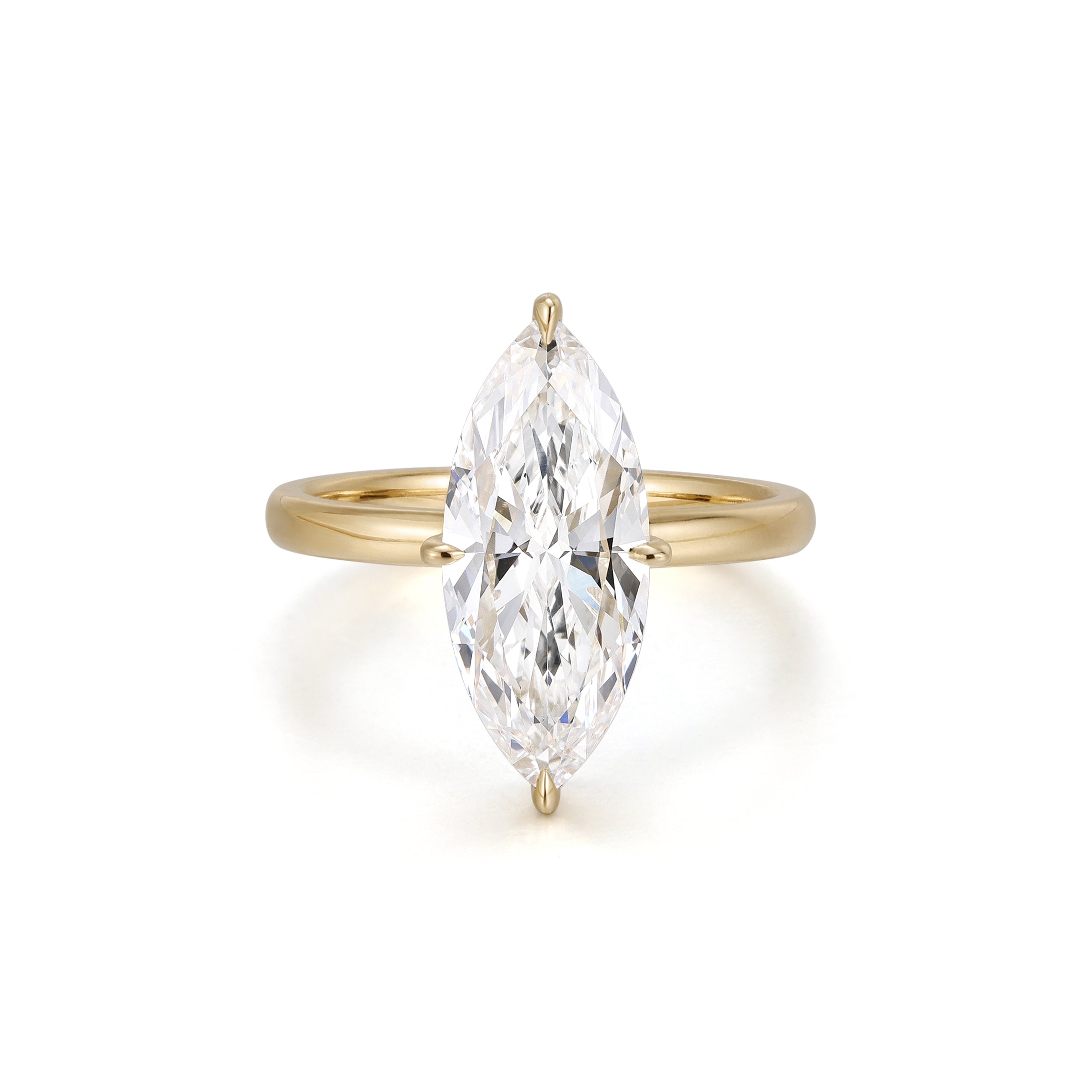
The marquise shape is already known for its length, but pushing the proportions further creates a more dramatic effect. It draws the eye along the finger and can appear larger than its carat weight suggests. At the same time, it requires careful balance to avoid looking too narrow.
 ELORA FINE JEWELRY ELORA FINE JEWELRY
Georgia-Step Cut Pear Lab Grown Diamond Engagement Ring
From $1899.00 $1999.00
Shop Georgia Now
|
 ELORA FINE JEWELRY ELORA FINE JEWELRY
Kylie-Marquise Cut Lab Grown Diamond Engagement Ring
From $1899.00 $1999.00
Shop Kylie Now
|
These variations are not always obvious when listed on paper, but they become much more distinct when viewed in real life.
How Shape Variations Affect Appearance
Shape does more than change the outline. It affects how a diamond looks, feels, and wears.
Perceived size
Elongated shapes such as oval, pear, and marquise often appear larger than round diamonds of the same carat weight. The spread across the finger creates that effect.
Finger coverage
Longer shapes tend to create a lengthening effect on the hand. This is one of the reasons they are so widely chosen for engagement rings.
Light performance
Not all diamonds sparkle in the same way. Brilliant-style cuts produce more traditional sparkle, while step cuts offer a quieter, more reflective look. Neither is better. They simply feel different.
Overall style
Some shapes feel soft and organic. Others feel structured and precise. This often has more impact on the final look than carat weight alone.
Why These Shapes Are Gaining Popularity?
There is a shift happening in how people approach engagement rings.
More buyers are looking for something that feels personal rather than standard. Instead of choosing from a fixed list of shapes, they are paying attention to how a diamond actually looks on the hand.
Social media has also played a role. It has made less common shapes more visible, and has encouraged people to explore beyond traditional options.
At the same time, design preferences have become more flexible. Vintage elements, modern proportions, and hybrid shapes are now often combined rather than kept separate.

How to Choose the Right Fancy Shape
There is no single “best” fancy diamond shape. The right choice depends on what you notice first.
If you prefer a larger visual presence, elongated shapes such as oval, pear, or marquise are often a good starting point.
If you are drawn to clean lines and structure, step cuts like emerald or Asscher may feel more natural.
If you want something soft but not too traditional, shapes like elongated cushion or moval sit comfortably in between.
If you are looking for something more specific, these details can also be adjusted through our custom jewelry design service to refine proportions, shape balance, and overall structure.
Fancy Shapes and Diamond Value
In natural diamonds, round cuts are typically the most expensive because of demand and cutting yield.
With lab-grown diamonds, differences in value between shapes are generally less dramatic. Pricing is influenced more by cut quality, clarity, and proportions than shape alone.
This gives buyers more flexibility to prioritize design and visual preference rather than staying within traditional shape conventions.
Caring for Fancy-Shaped Diamonds
Care is generally similar across all diamond shapes, though certain designs may require additional attention.
Points and edges, especially in pear or marquise cuts, can be more exposed during daily wear. Protective settings like prongs or bezels help reduce long-term wear in these areas.
Regular cleaning and occasional professional inspections will help maintain both the appearance and structure of the ring. You can also follow our diamond jewelry care guide for more detailed maintenance instructions.
Conclusion
Diamond shapes are often presented as fixed categories, but in reality, they are much more flexible.
Once you move beyond the standard options, proportion, outline, and cutting style start to matter just as much as the shape itself.
For many people, that is where the process becomes more interesting.
Instead of choosing from a list, you begin to shape the ring around how you want it to feel.


