Collection: East West
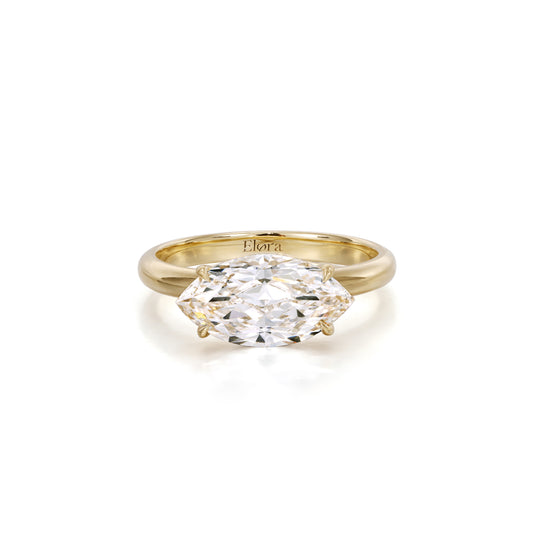
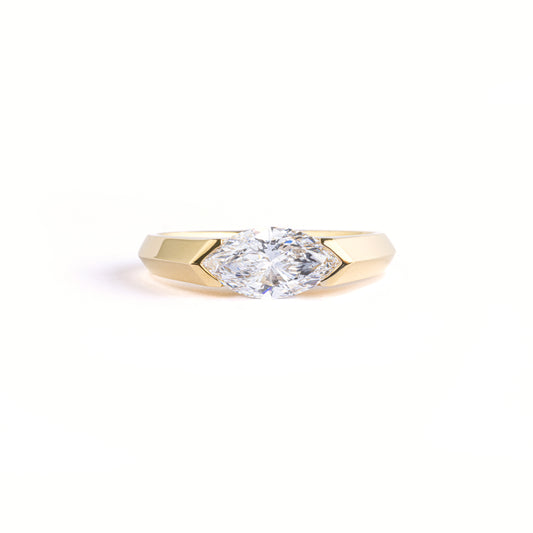
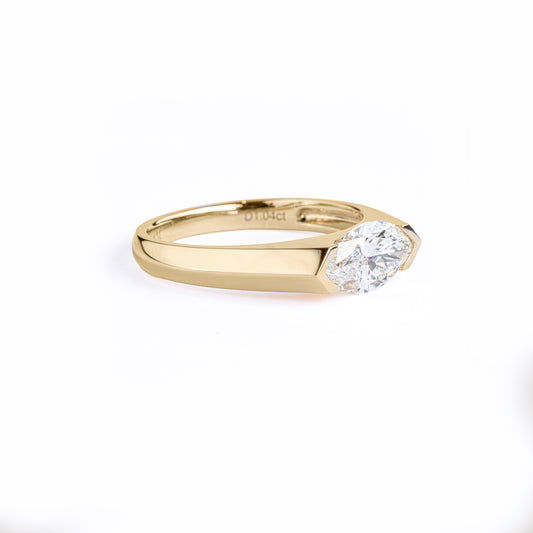
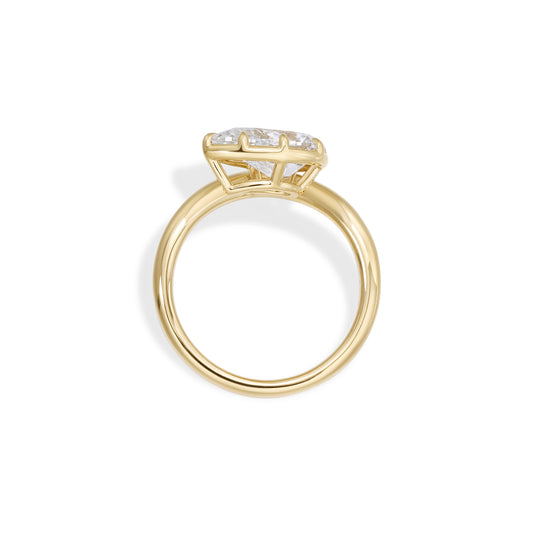
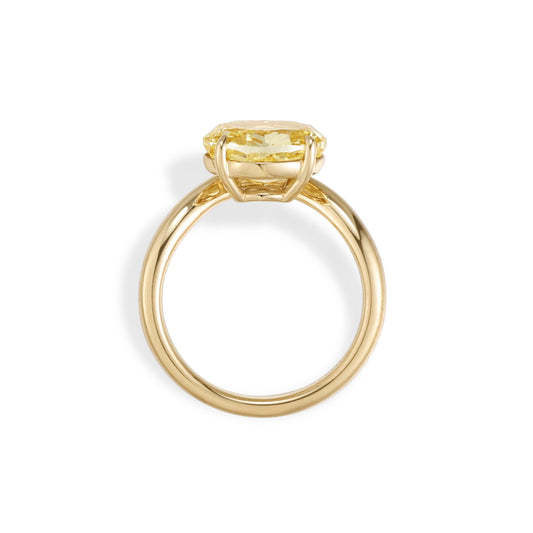
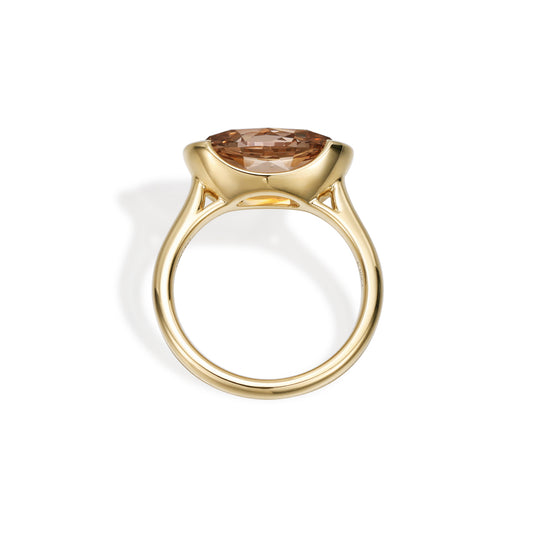
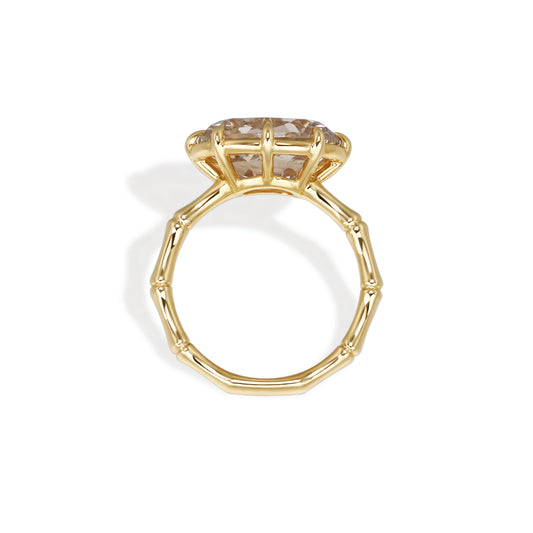
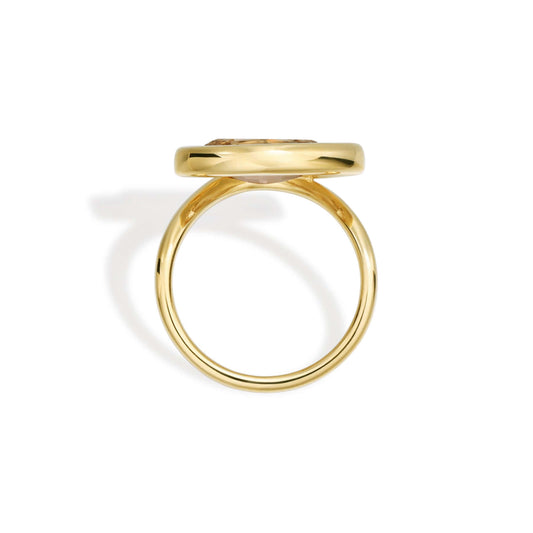
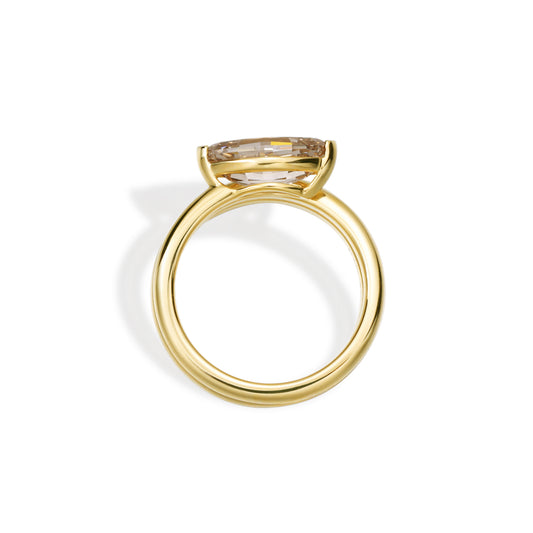
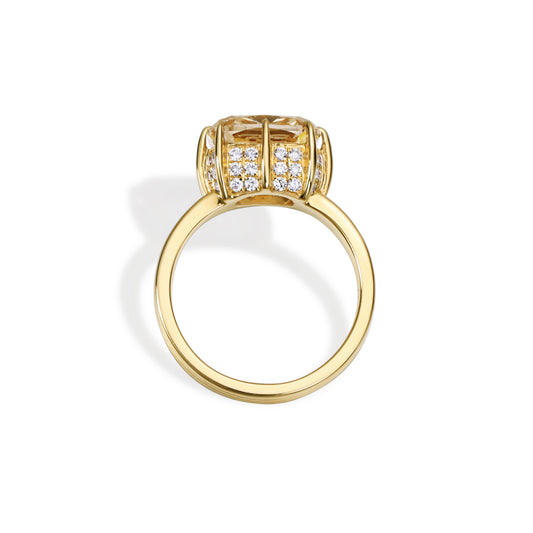
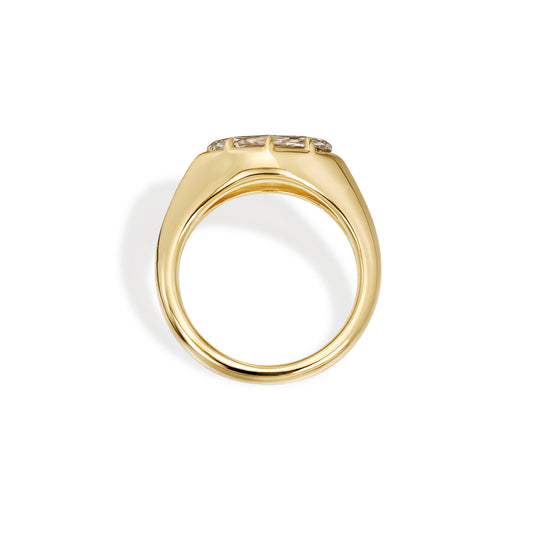
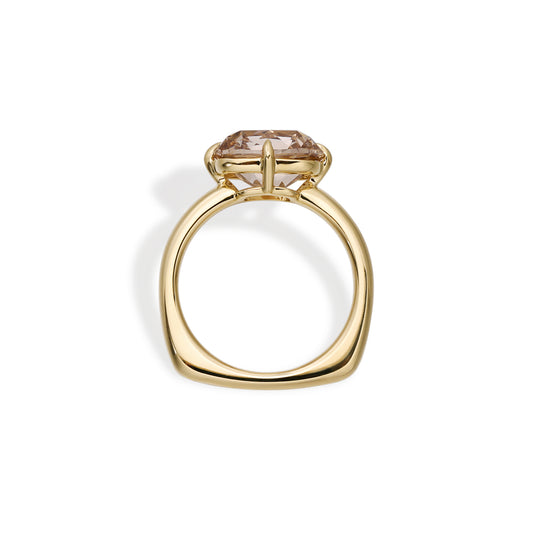
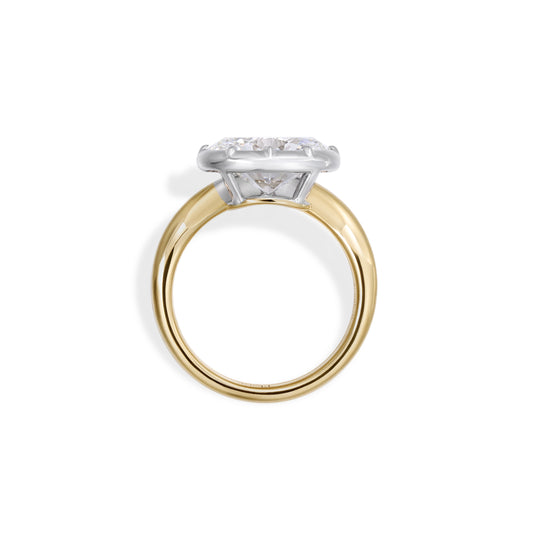
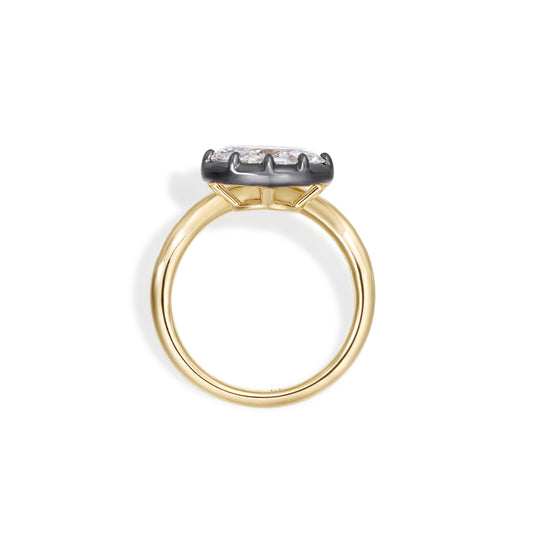
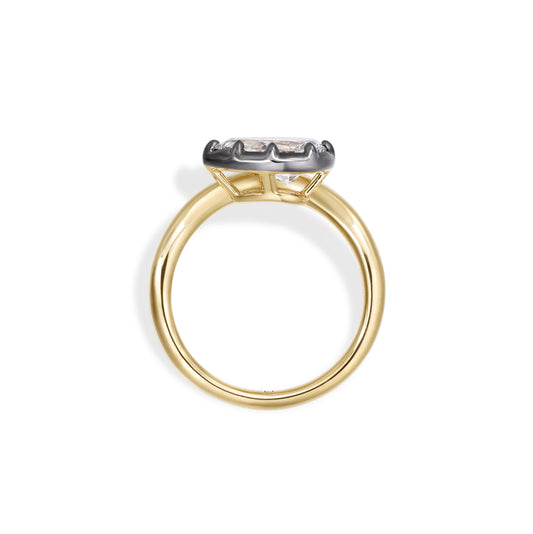
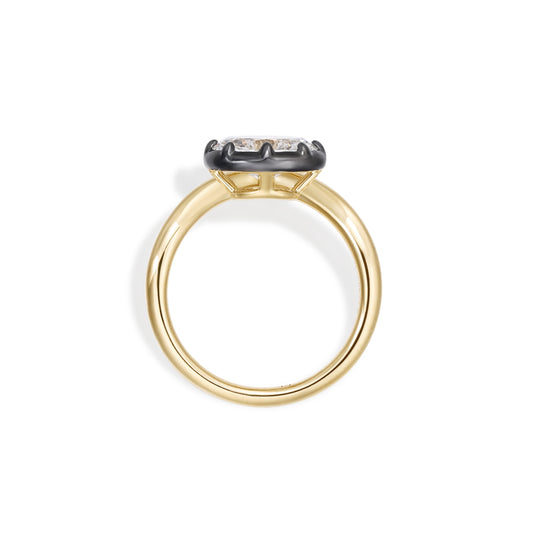
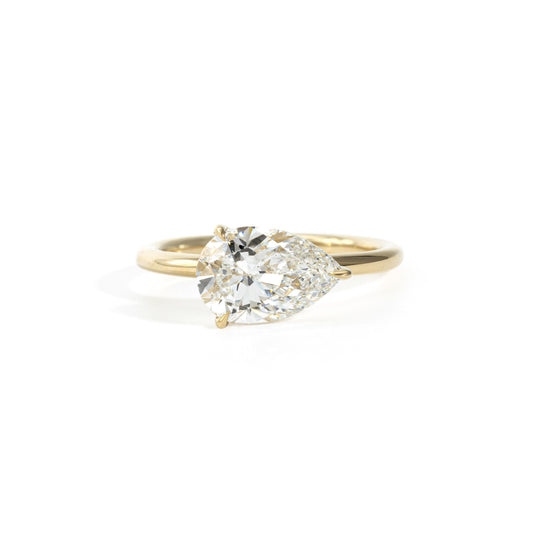
Turning a diamond on its side completely changes the feel of an engagement ring. By mounting the stone horizontally rather than vertically, an East-West setting creates a sleek, flush fit. This is a massive advantage for daily wear. Because the diamond sits lower and closer to your finger, it’s far less likely to snag on sweaters or get bumped during a busy day.
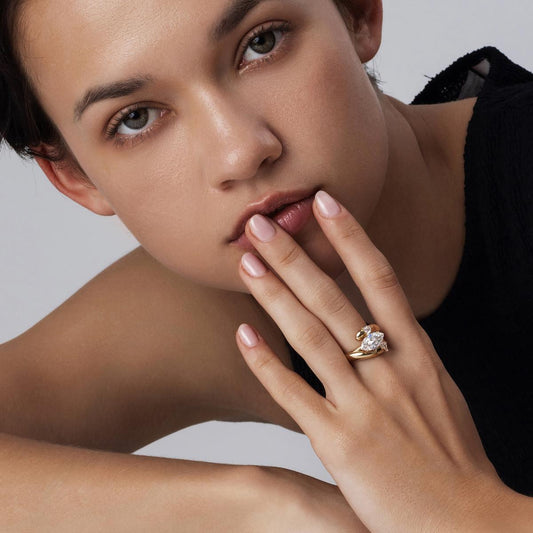
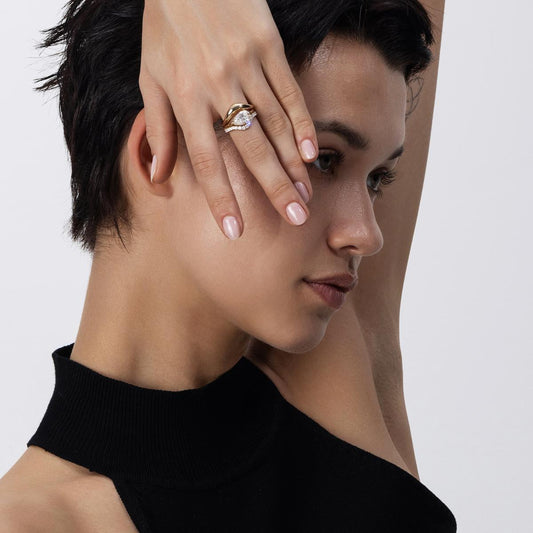
Beyond just being comfortable, a sideways setting changes how we see the size of the stone. By spreading the diamond across the width of your hand, it provides maximum finger coverage, which makes the center stone look noticeably larger. It’s a fresh, unexpected way to wear elongated shapes like ovals, emeralds, and marquises.

-
Vendor:Elora Fine Jewelry
Marina-Marquise Cut Lab Grown Diamond Ring
Regular price From $1,299.00From $1,299.00 Regular priceUnit price per -
Vendor:Elora Fine Jewelry
Josie-Marquise Cut Lab Grown Diamond Ring
Regular price From $1,399.00From $1,399.00 Regular priceUnit price per -
Vendor:Elora Fine Jewelry
Blair-Champagne Old Mine Cushion Lab Grown Diamond Ring
Regular price From $2,899.00From $2,899.00 Regular priceUnit price per -
Vendor:Elora Fine Jewelry
Wave-Pear Cut Yellow Gold Lab Grown Diamond Engagement Ring
Regular price From $1,399.00From $1,399.00 Regular priceUnit price per -
Vendor:Elora Fine Jewelry
Estelle-Yellow Oval Cut Lab Grown Diamond Engagement Ring
Regular price From $1,499.00From $1,499.00 Regular priceUnit price per -
Vendor:Elora Fine Jewelry
Blair-Champagne Old Mine Oval Lab Grown Diamond Ring
Regular price From $2,599.00From $2,599.00 Regular priceUnit price per -
Vendor:Elora Fine Jewelry
Rowan-Champagne Old Mine Oval Lab Grown Diamond Ring
Regular price From $2,399.00From $2,399.00 Regular priceUnit price per -
Vendor:Elora Fine Jewelry
Noelle-Champagne Marquise Step Cut Lab Grown Diamond Ring
Regular price $2,999.00$2,999.00 Regular priceUnit price per -
Vendor:Elora Fine Jewelry
Sloane-Champagne Marquise Step Cut Lab Grown Diamond Ring
Regular price $3,399.00$3,399.00 Regular priceUnit price per -
Vendor:Elora Fine Jewelry
Noa-Champagne Cushion cut Lab Grown Diamond Ring
Regular price From $3,699.00From $3,699.00 Regular priceUnit price per -
Vendor:Elora Fine Jewelry
Lake-Marquise Cut Lab Grown Diamond Ring
Regular price From $1,399.00From $1,399.00 Regular priceUnit price per -
Vendor:Elora Fine Jewelry
Alice-Champagne Old Mine Cushion Lab Grown Diamond Ring
Regular price From $3,199.00From $3,199.00 Regular priceUnit price per -
Vendor:Elora Fine Jewelry
Maren-Pink Cushion Lab Grown Diamond Engagement Ring
Regular price $4,399.00$4,399.00 Regular priceUnit price per -
Vendor:Elora Fine Jewelry
Cove-Pink Oval Lab Grown Diamond Engagement Ring
Regular price $2,099.00$2,099.00 Regular priceUnit price per -
Vendor:Elora Fine Jewelry
Lena-East West Oval Cut Lab Grown Diamond Engagement Ring
Regular price From $2,999.00From $2,999.00 Regular priceUnit price per -
Vendor:Elora Fine Jewelry
Eva-Marquise Cut Lab Grown Diamond Pinky Ring
Regular price From $1,299.00From $1,299.00 Regular priceUnit price per -
Vendor:Elora Fine Jewelry
Eva-Pear Cut Lab Grown Diamond Pinky Ring
Regular price From $1,299.00From $1,299.00 Regular priceUnit price per -
Vendor:Elora Fine Jewelry
Eva-Oval Cut Lab Grown Diamond Pinky Ring
Regular price From $1,299.00From $1,299.00 Regular priceUnit price per -
Vendor:Elora Fine Jewelry
Quinn-Pear Cut Lab Grown Diamond Ring
Regular price From $1,299.00From $1,299.00 Regular priceUnit price per















Maximizing Finger Coverage
Let’s address the most common question about horizontal settings. Will a sideways diamond make my finger look wider? The answer is no. In fact, it provides a distinct optical advantage.
When you place an elongated cut like an oval or marquise across the finger, the carat weight is stretched horizontally. This edge-to-edge span covers the widest part of your hand, naturally making the center stone appear significantly larger. You are maximizing the visible surface area of the diamond without paying the premium for a massive carat weight increase. A piece like the Lena East West Oval Ring spreads the brilliance beautifully, making a 3-carat stone look far more substantial than its vertical counterpart.
Protecting the Vulnerable Points
Elongated diamond shapes have a known weakness. The pointed ends of a marquise or the soft curves of a pear cut are incredibly vulnerable to chipping if they are sticking up and out.
An East-West orientation completely changes how the stone handles daily impacts. By turning the diamond ninety degrees, those delicate tips are tucked safely along the curve of the ring band, rather than jutting out vertically where they can easily strike hard surfaces. It is a structural update that drastically improves the durability of the stone for everyday wear.
Stopping the Diamond Spin
If you’ve ever worn a large, vertical solitaire, you know the frustration of the diamond constantly spinning around to your palm.
Horizontal settings solve this daily annoyance completely. Because the weight of the stone is distributed parallel to the band, the ring achieves a much lower center of gravity. It anchors flush against the top of your hand. This wider footprint prevents the top-heavy swaying you get with traditional mounts, ensuring your ring stays perfectly centered even if you work heavily with your hands.
The Reality of Wedding Band Stacking
This is the hidden benefit that no one tells you until you are trying on wedding bands.
With a traditional vertical setting, the basket holding the diamond often sits so low that a straight wedding band cannot sit flush against the engagement ring. You are forced to buy a curved or contoured band. Because an East-West diamond runs left-to-right, the underlying structure usually provides just enough clearance for a classic, straight gold band to slide right underneath the stone. You get a clean, flush stack without the hassle of custom matching.