Collection: Gemstone Emerald
Emerald is unusual among gemstones in that inclusions are expected and accepted. The internal characteristics, what the trade calls jardin, the French word for garden, are part of how the stone is understood. A completely clean emerald is rare enough to be suspicious.
This collection brings together six pieces set with lab-grown emeralds: rings, earrings, and a bracelet, all in 14K yellow gold. Lab-grown emeralds share the same chemical composition and optical properties as mined stones. The difference is origin, not quality.

-
Vendor:Elora Fine Jewelry
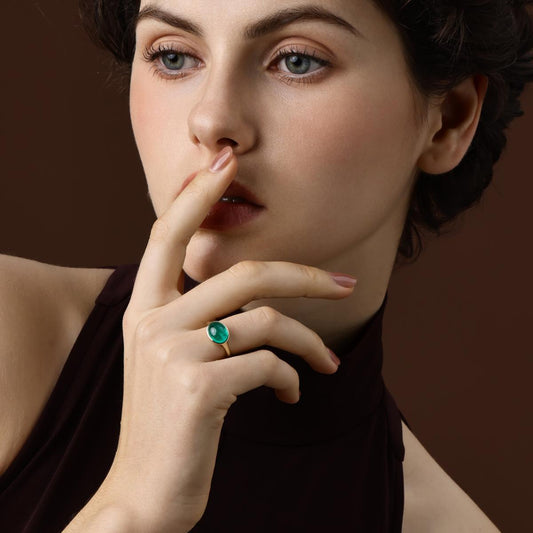
Juno-Oval Cut Lab Grown Emerald Gemstone Ring
Regular price $1,499.00$1,499.00 Regular priceUnit price per -
Vendor:Elora Fine Jewelry
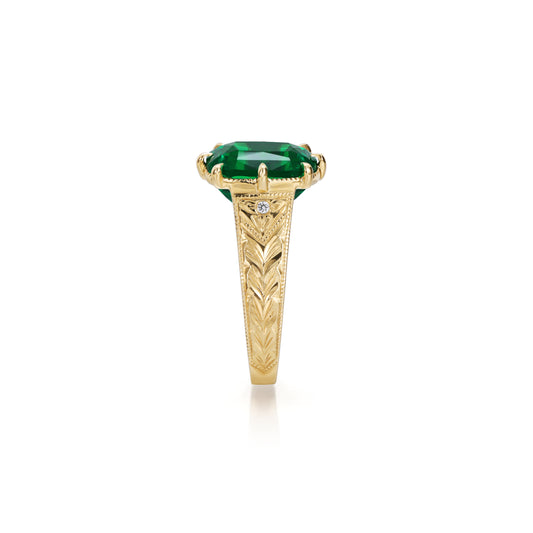
Zuri-Cushion Cut Lab Grown Emerald Engraved Ring
Regular price $2,399.00$2,399.00 Regular priceUnit price per -
Vendor:Elora Fine Jewelry
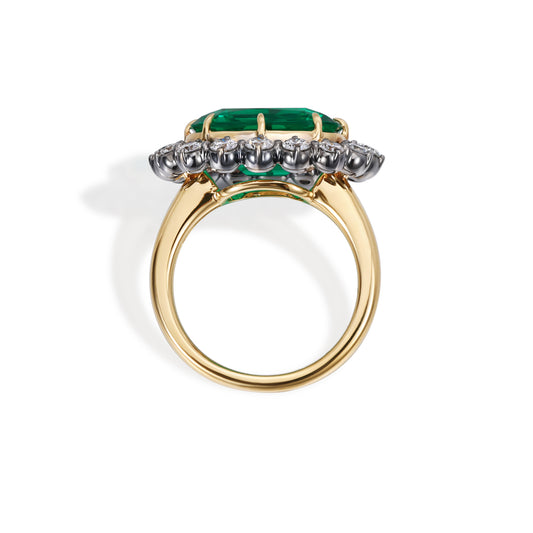
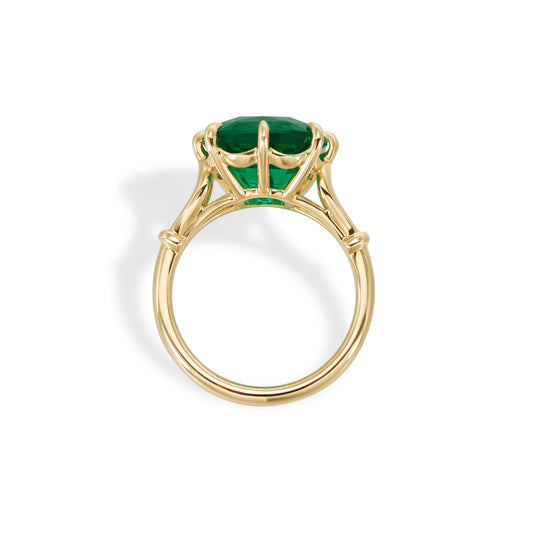
Jada-Cushion cut Lab Grown Emerald Halo Ring
Regular price $2,499.00$2,499.00 Regular priceUnit price per -
Vendor:Elora Fine Jewelry
Iva-Emerald Cut Lab Grown Emerald Signet Ring
Regular price $1,999.00$1,999.00 Regular priceUnit price per -
Vendor:Elora Fine Jewelry
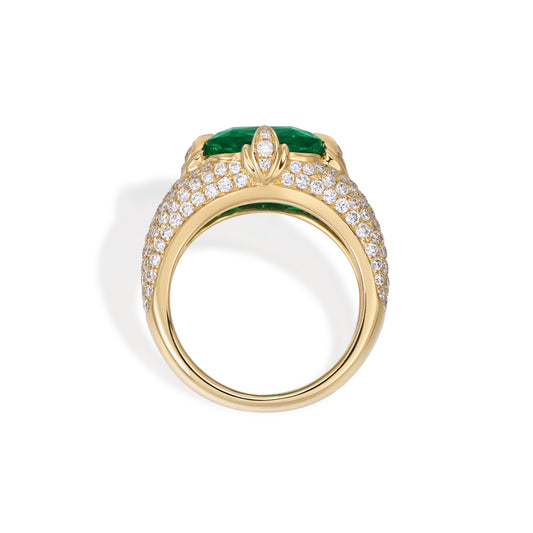
Cleo-Cushion cut Lab Grown Emerald Pavé Diamond Ring
Regular price $2,399.00$2,399.00 Regular priceUnit price per -
Vendor:Elora Fine Jewelry
Emerald Cut Lab Grown Emerald Bubble Tennis Bracelet
Regular price $5,599.00$5,599.00 Regular priceUnit price per -
Vendor:Elora Fine Jewelry
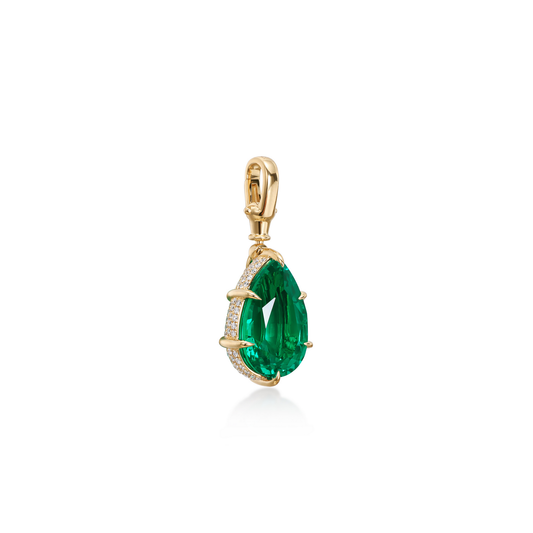
Pear Cut Lab Grown Emerald Pavé Diamond Pendant
Regular price $2,399.00$2,399.00 Regular priceUnit price per -
Vendor:Elora Fine Jewelry
Lux-Cushion cut Lab Grown Emerald Ring
Regular price $1,799.00$1,799.00 Regular priceUnit price per -
Vendor:Elora Fine Jewelry
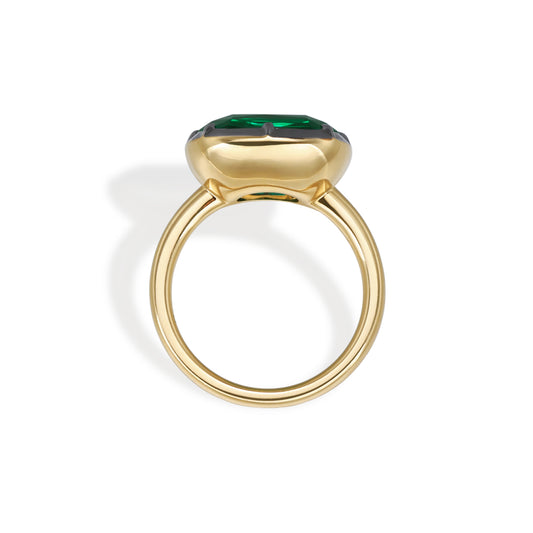
Thea-Cushion Lab Grown Emerald Two-Tone Ring
Regular price $1,999.00$1,999.00 Regular priceUnit price per -
Vendor:Elora Fine Jewelry
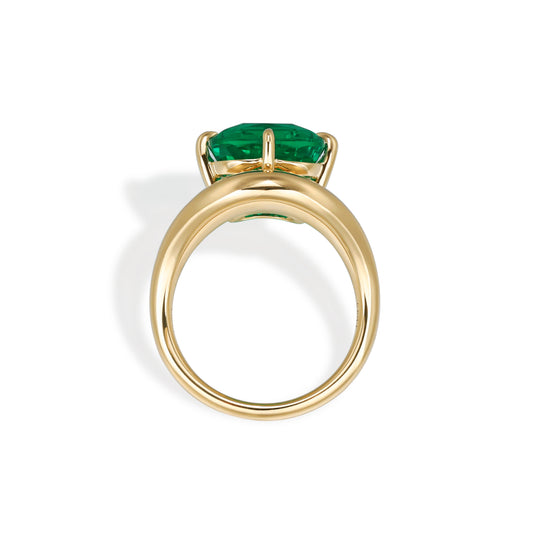
Elda-Cushion Lab Grown Emerald Sculptural Gold Ring
Regular price $2,299.00$2,299.00 Regular priceUnit price per -
Vendor:Elora Fine Jewelry
Round Cut Lab Grown Emerald Bubble Tennis Bracelet
Regular price $2,899.00$2,899.00 Regular priceUnit price per -
Vendor:Elora Fine Jewelry
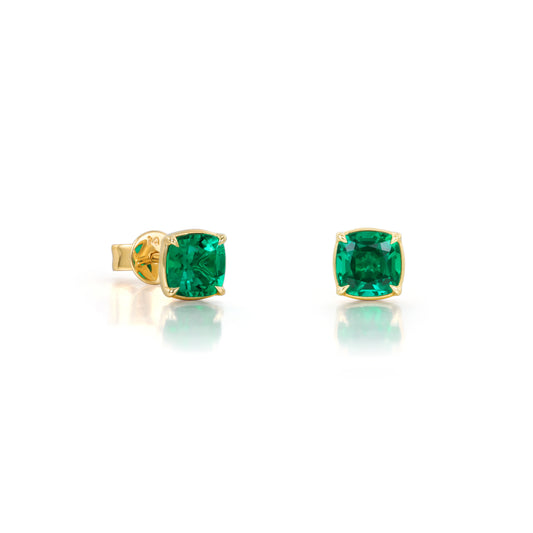
Cushion Cut Lab Grown Emerald Stud Earrings
Regular price $699.00$699.00 Regular priceUnit price per -
Vendor:Elora Fine Jewelry
Round Cut Lab Grown Emerald Station Bracelet
Regular price $899.00$899.00 Regular priceUnit price per -
Vendor:Elora Fine Jewelry
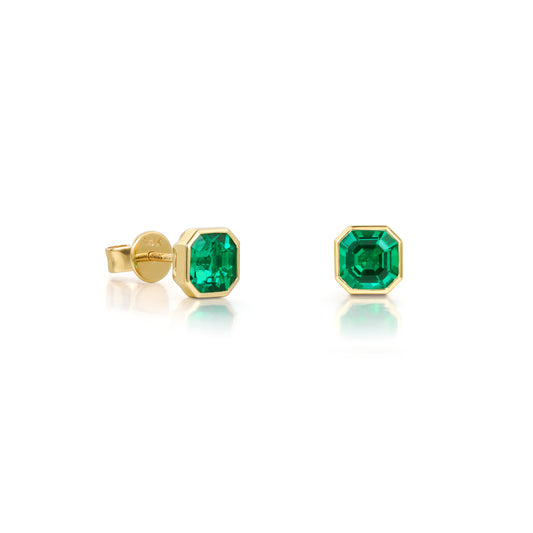
Asscher Cut Lab Grown Emerald Stud Earrings
Regular price $799.00$799.00 Regular priceUnit price per -
Vendor:Elora Fine Jewelry
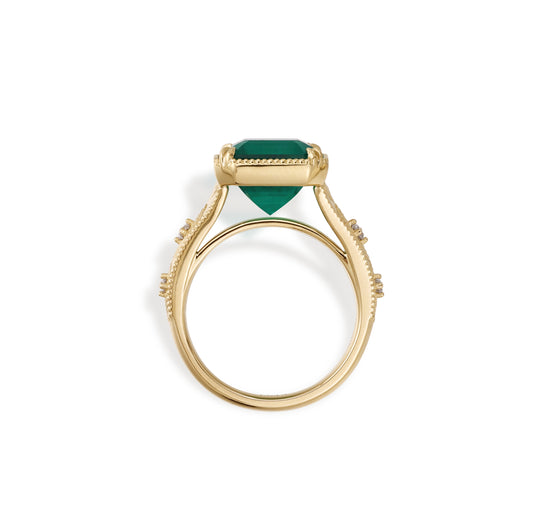
Aurelia-Square Cut Lab Grown Emerald Gemstone Ring
Regular price $1,899.00$1,899.00 Regular priceUnit price per















What Lab-Grown Emeralds Actually Are and Why Inclusions Are Part of the Story
Emerald belongs to the beryl family, the same mineral group as aquamarine. What separates emerald from other beryls is chromium, and occasionally vanadium, which produces the green color. The depth and saturation of that green is what drives value in emerald more than almost any other factor. Clarity matters less in emerald than in most other colored stones, because the stone's natural growth process almost always produces internal characteristics. A heavily included emerald with exceptional color is worth more than a cleaner stone with weak color.
Lab-grown emeralds are produced using hydrothermal or flux methods that replicate the conditions under which natural emeralds form. The result is chemically and optically identical to a mined stone. They still develop inclusions, though typically fewer than mined emeralds. The color range is consistent and controllable, which means the vivid greens that are rare in nature are more reliably available in lab-grown material.
About This Collection
The six pieces in this collection cover rings, stud earrings, and a bracelet. All are set in 14K yellow gold, which has been the traditional pairing for emerald for centuries. The warmth of gold and the cool green of emerald create a contrast that works across different skin tones and settings. The pieces range from solitaire formats to more elaborate arrangements, giving options across different occasions and preferences.
Caring for Emerald Jewelry
Emerald has a Mohs hardness of 7.5 to 8, which is adequate for daily wear with reasonable care. The main concern with emerald is not hardness but toughness. The inclusions that are characteristic of the stone can create internal stress points. Avoid ultrasonic cleaners, which can cause fractures to propagate. Clean with warm water and a soft brush. Store separately from harder stones like diamonds and sapphires.
Frequently Asked Questions
Yes. Lab-grown emeralds have the same chemical composition (beryllium aluminum silicate with chromium) and the same optical properties as mined emeralds. They are classified as emeralds by gemological standards. The difference is that they are grown in a controlled environment rather than extracted from the earth.
Emeralds form under conditions that almost always introduce internal characteristics, fractures, mineral inclusions, and growth patterns collectively called jardin. This is normal for the stone and does not indicate poor quality. Eye-clean emeralds exist but are rare. The trade accepts inclusions in emerald to a degree that would not be acceptable in diamonds or sapphires.
The chemical and optical properties are identical. Lab-grown emeralds are produced in a controlled environment using hydrothermal or flux processes that replicate natural formation. They typically have fewer inclusions than mined stones and are available at a lower price point for equivalent color quality. The origin is the only meaningful difference.
Yes, with care. Emerald is hard enough for daily wear but should be protected from sharp impacts. Avoid ultrasonic cleaners. Clean gently with warm water and a soft brush. Store away from harder stones that could scratch the surface.