Collection: Bangles
Bangles are rigid, which changes how they wear. Unlike a chain or cord bracelet that conforms to the wrist, a bangle holds its shape and sits slightly elevated, catching light from a fixed position as the arm moves. Our collection features blue diamond bangles in cushion and emerald cuts, set in gold with enough presence to wear as a single piece or stack with other bangles for a more layered effect.
The Scarlett and Harper designs each take a different approach to how the diamond is integrated into the bangle structure, one centered and prominent, the other more architectural in its placement.

-
Vendor:Elora Fine Jewelry
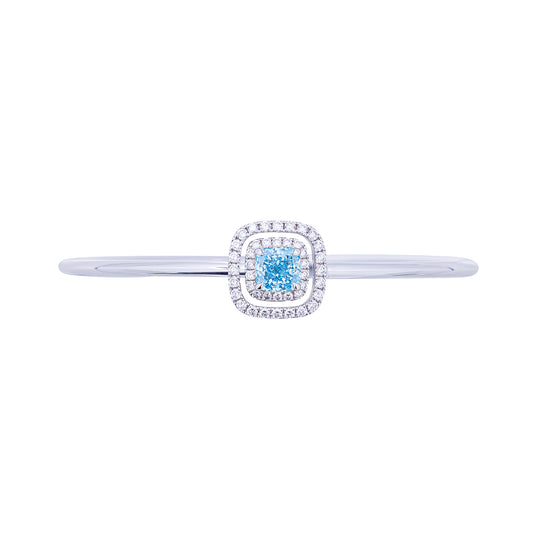
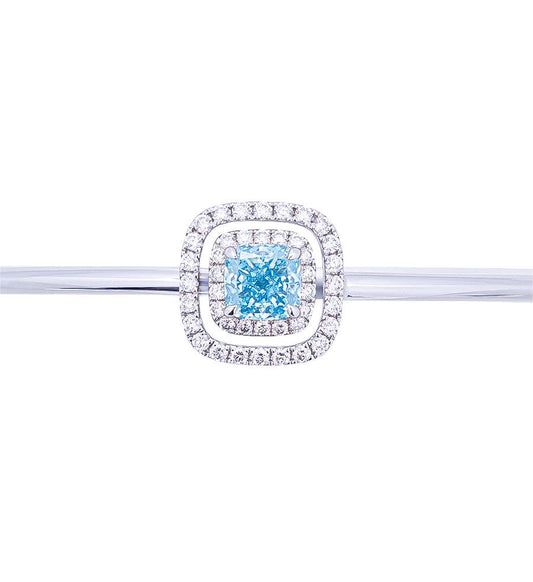
Scarlett - Cushion Cut Blue Diamond Bangle
Regular price $3,160.00$3,160.00 Regular priceUnit price per -
Vendor:Elora Fine Jewelry
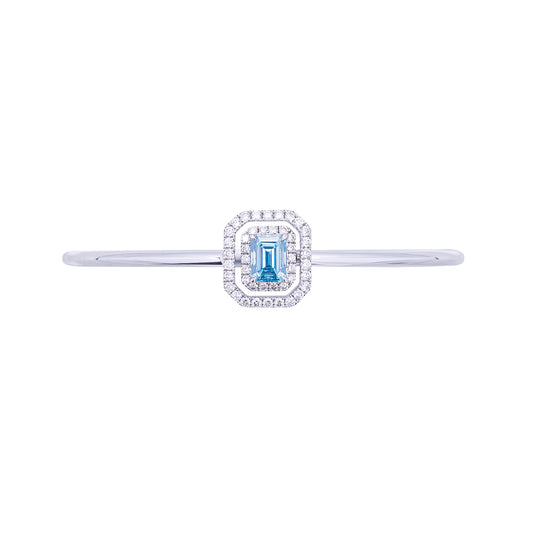
Harper - Emerald Cut Blue Diamond Bangle
Regular price $3,640.00$3,640.00 Regular priceUnit price per
Why Rigid Jewelry Wears Differently
A bangle doesn't move with the wrist the way a chain or cord bracelet does. It holds its circular form and slides slightly as the arm moves, which means the diamond set into it catches light from a consistent position rather than shifting constantly. This gives a bangle a different kind of presence: quieter in motion, but more deliberate when the arm is still. It's a format that rewards being noticed up close as much as from across the room.
Blue Diamonds in a Bangle Setting
Blue lab-grown diamonds have a depth of color that reads particularly well in a bangle context. Because the piece sits elevated on the wrist rather than lying flat against the skin, the stone is visible from more angles throughout the day. The Scarlett Cushion Cut Blue Diamond Bangle centers a cushion cut blue diamond prominently on the bangle, where the stone's broad, rounded surface catches light across its full face. The cushion cut's soft corners suit the circular form of the bangle in a way that a sharper geometric cut wouldn't.
The Emerald Cut Approach
The Harper Emerald Cut Blue Diamond Bangle takes a more architectural approach. The emerald cut's long rectangular table and step-cut facets produce a different quality of light than the cushion: longer, cooler flashes rather than scattered brilliance. Set into a bangle, this creates a piece that feels more graphic and structured, with the blue color appearing deeper and more concentrated in the stone's interior.
Stacking Bangles
Bangles stack in a way that other bracelet formats don't quite replicate. Because they're rigid, multiple bangles sit parallel to each other on the wrist and move together as a unit, creating a sound and a visual rhythm that's part of the appeal. A single diamond bangle worn with one or two plain gold bangles lets the diamond piece anchor the stack without the other pieces competing with it. The contrast between the set stone and the plain metal actually makes both look more intentional.