Collection: Yellow Diamond
Step into a world of golden radiance with Elora’s Yellow Diamond Jewelry Collection, where every piece captures the warmth of the sun and the joy of pure elegance. From delicate pendants that shimmer like morning light to brilliant rings that glow with a rich, golden fire, our collection celebrates the rare beauty of yellow diamonds.Yellow diamonds are also believed to carry powerful energetic properties. Much like crystals that are cherished for their ability to enhance personal energy, yellow diamonds are thought to attract abundance, prosperity, and positive energy. With both their radiant beauty and positive energy, our yellow diamonds make not only a luxurious addition to your collection but also a symbol of success and good fortune. Whether you’re marking a special milestone, a love story, or simply indulging in a little everyday sunshine, these vibrant gems promise to add warmth and brilliance to every moment.

-
Vendor:Elora Fine Jewelry
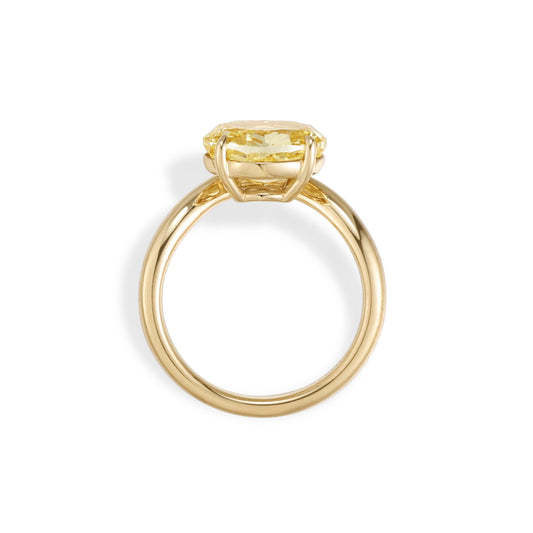
Estelle-Yellow Oval Cut Lab Grown Diamond Engagement Ring
Regular price From $1,499.00From $1,499.00 Regular priceUnit price per -
Vendor:Elora Fine Jewelry
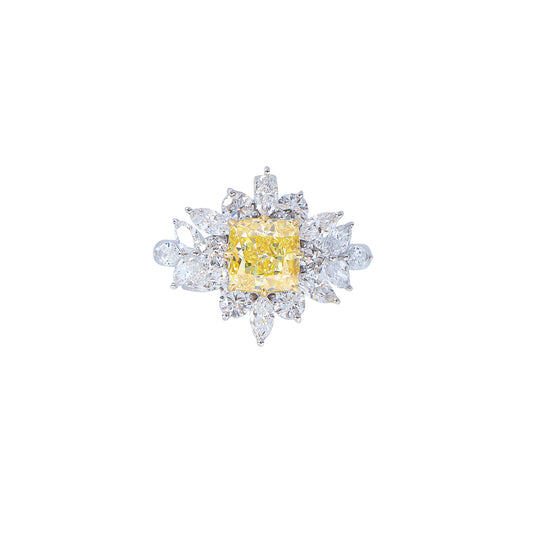
Maeve - Cushion Cut Yellow Diamond Ring
Regular price $4,060.00$4,060.00 Regular priceUnit price per -
Vendor:Elora Fine Jewelry
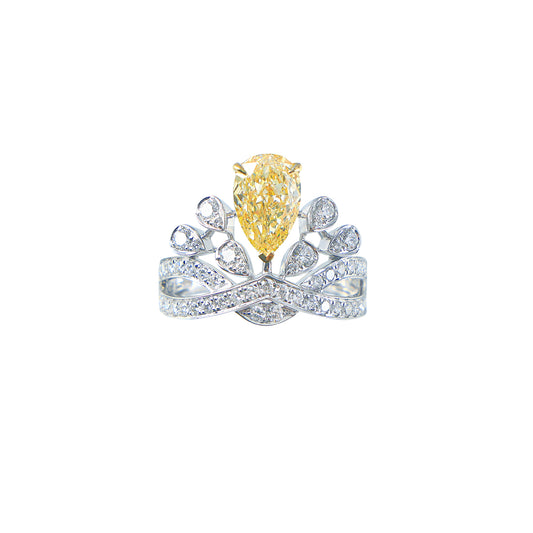
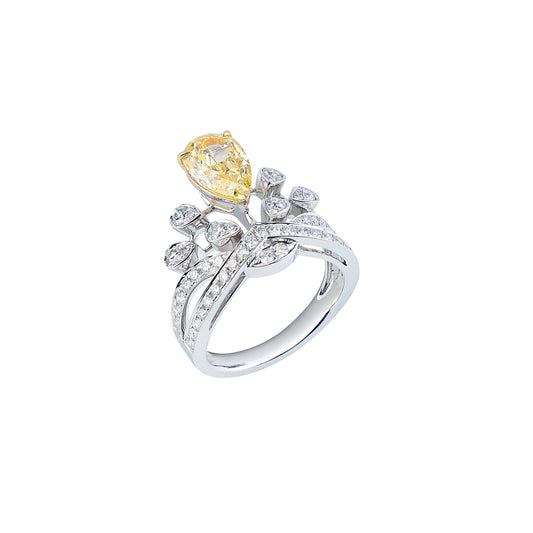
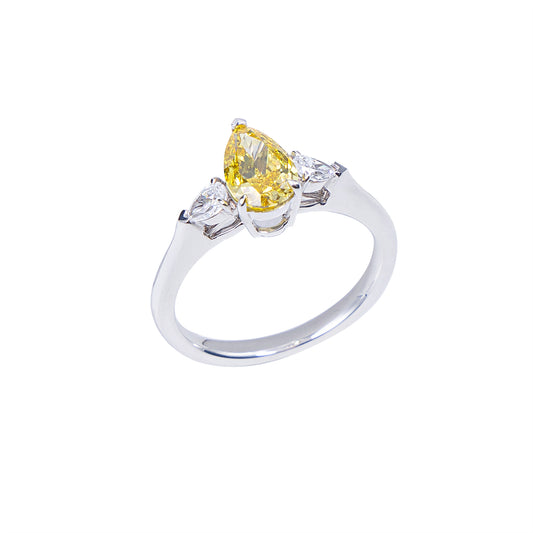
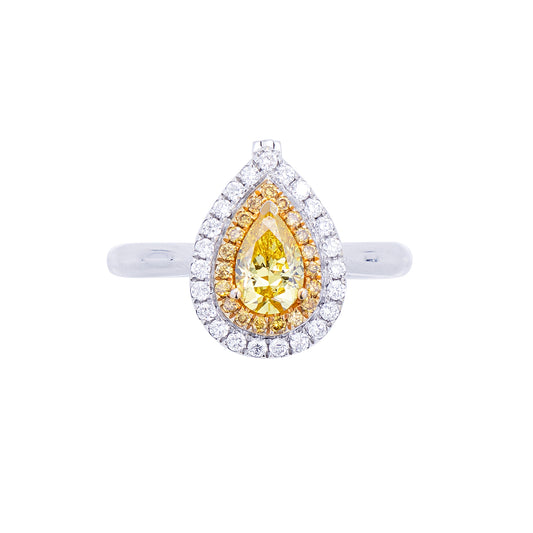
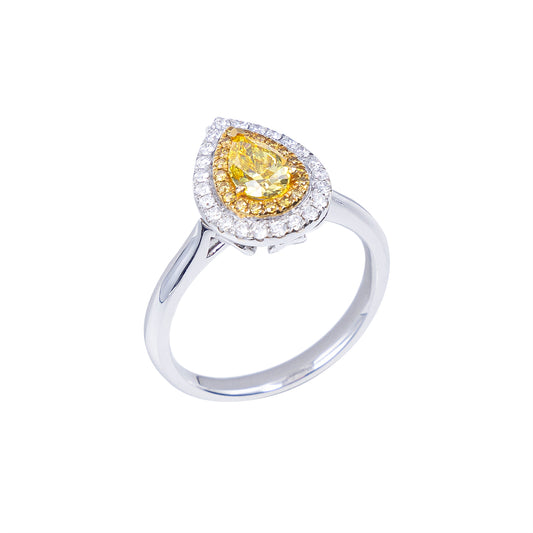
Autumn - Pear Cut Yellow Diamond Ring
Regular price $3,850.00$3,850.00 Regular priceUnit price per -
Vendor:Elora Fine Jewelry
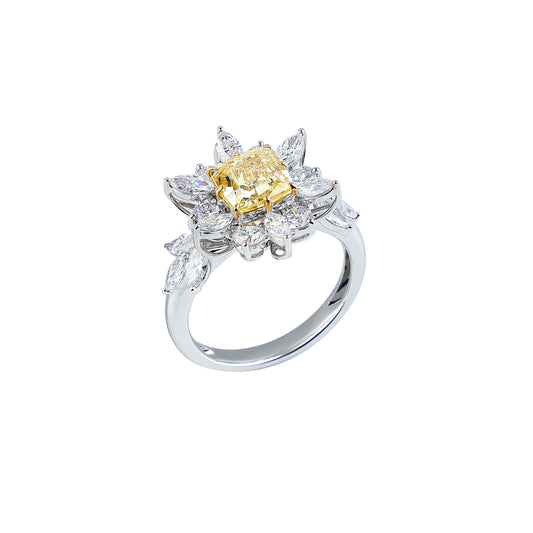
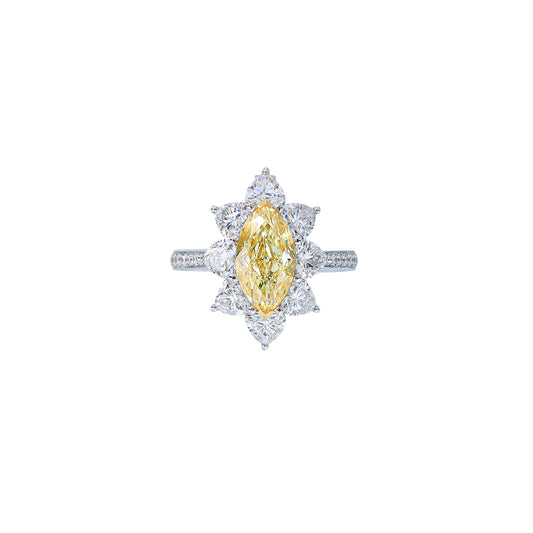
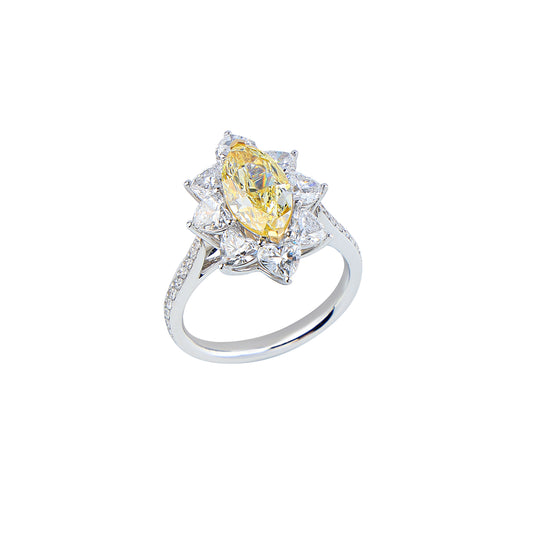
Leah - Marquise Cut Yellow Diamond Ring
Regular price $4,230.00$4,230.00 Regular priceUnit price per -
Vendor:Elora Fine Jewelry
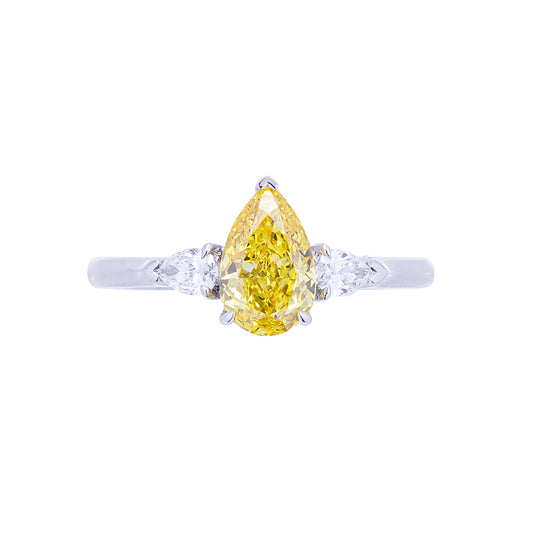
Luna - Pear Cut Yellow Diamond Ring
Regular price $1,630.00$1,630.00 Regular priceUnit price per -
Vendor:Elora Fine Jewelry
Hazel - Pear Cut Yellow Diamond Ring
Regular price $1,270.00$1,270.00 Regular priceUnit price per -
Vendor:Elora Fine Jewelry
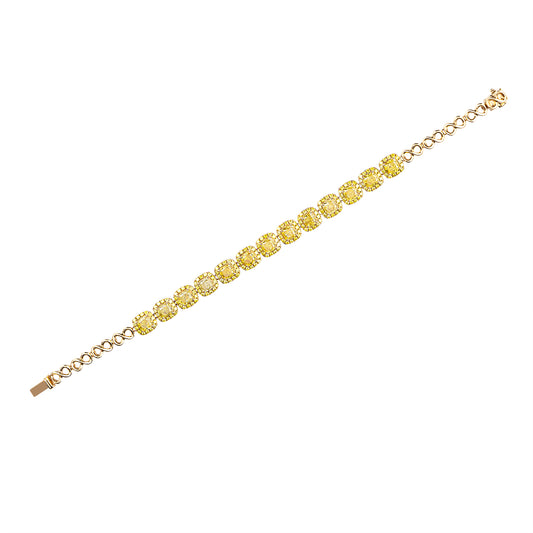
Camila - Cushion Cut Yellow Diamond Bracelet
Regular price $8,670.00$8,670.00 Regular priceUnit price per -
Vendor:Elora Fine Jewelry
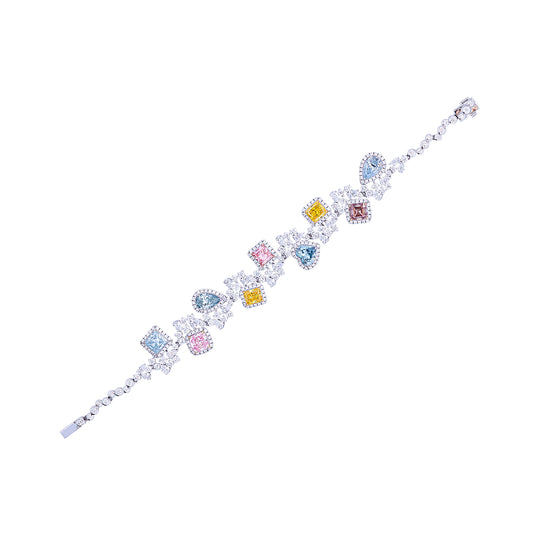
Addison - Multi Colored Diamond Bracelet
Regular price From $19,590.00From $19,590.00 Regular priceUnit price per

Yellow Diamonds and Yellow Gold: A Combination That Works Both Ways
Yellow diamonds get their color from nitrogen atoms that become incorporated into the crystal lattice during growth. The more nitrogen present, the deeper and more saturated the yellow. Unlike pink diamonds, which get their color from a structural anomaly, yellow is a chemical effect that produces a consistent, predictable result. The color ranges from pale champagne to vivid canary, and the intensity of the yellow is one of the primary factors that determines how the stone reads in a setting.
Yellow Diamond with Yellow Gold
Yellow diamonds are the one colored stone that genuinely benefits from being set in yellow gold rather than contrasted against white metal. The gold amplifies the warmth of the stone rather than competing with it, and the result is a piece where the metal and the diamond read as a single unified color rather than two separate elements. The Maeve Cushion Cut Yellow Diamond Ring and Autumn Pear Cut Yellow Diamond Ring both demonstrate this: the yellow of the stone and the yellow of the gold reinforce each other in a way that makes the color appear more saturated and more intentional than the same stone would in white gold.
Cut and Color Saturation
The cut of a yellow diamond affects how the color concentrates. Cushion cuts distribute color evenly across the stone's broad, rounded surface, which produces a warm, diffused yellow that reads consistently from all angles. Radiant cuts add more facets, which increases sparkle but can also scatter the color into smaller, more intense flashes. The Bella Radiant Harmony Duo Ring uses a radiant cut yellow diamond alongside a second stone, showing how the color holds its own even in a two-stone composition. The Leah Marquise Cut Yellow Diamond Ring uses an elongated marquise that concentrates the yellow along the stone's length, making the color appear more vivid at the tips.
Yellow Beyond Rings
The Camila Cushion Cut Yellow Diamond Bracelet shows how a yellow diamond reads at the wrist rather than on the hand. The position changes the context: at the wrist, the stone catches light from a wider range of angles throughout the day, and the yellow appears to shift in intensity as the light changes. It's a warmer, more casual way to wear a colored diamond than a ring, and the cushion cut's soft profile suits the format well.