Champagne Diamonds: Why Warm-Tone and Desert-Inspired Diamonds Are Making a Comeback


For decades, the jewelry industry measured a diamond's beauty largely by the absence of color. The closer a stone came to colorless, the more desirable it was considered, shaping generations of engagement rings around bright white brilliance.
Today, a different aesthetic is beginning to emerge.
Earlier this year, De Beers introduced the term "Desert Diamonds", a campaign inspired by the warm, earthy colors found in many natural diamonds. Shades ranging from soft ivory and champagne to honey, amber, and whiskey reflected the landscapes where diamonds have formed over millions of years. While the name itself belongs to De Beers, the broader idea reaches far beyond a single campaign.
Across fine jewelry, Champagne diamonds and other warm-toned diamonds are becoming increasingly visible. Champagne diamonds, light brown diamonds, and other softly tinted stones are appearing in engagement rings, red carpet jewelry, and contemporary collections from designers who are embracing color in a quieter, more natural way.
This shift is not about replacing white diamonds. It reflects a growing appreciation for diamonds with warmth, depth, and individuality.
In this guide, we'll explore why warm-toned diamonds are returning to the spotlight, what makes champagne diamonds one of the most versatile choices, and why antique-inspired designs have become such a natural companion to these richly colored stones.
Why Champagne Diamonds Are Becoming More Popular
The growing interest in warm-toned diamonds mirrors a wider change in fashion and jewelry. Champagne diamonds are part of a broader movement toward warm-toned diamonds.
Over the past several years, yellow gold has returned to prominence, vintage-inspired settings have become increasingly popular, and understated luxury has replaced many of the highly polished trends that defined the previous decade. Jewelry is becoming less focused on perfection and more interested in character.
Warm-toned diamonds fit naturally into that movement.
Their subtle colors work beautifully with brushed gold, hand engraving, antique-inspired details, and organic silhouettes. Instead of standing apart from the setting, they often blend into it, creating a softer and more harmonious overall appearance.
This renewed appreciation has also become visible on some of the world's biggest stages. Recent awards ceremonies, fashion events, and high jewelry exhibitions have featured an increasing number of warm-toned diamond pieces alongside traditional white diamonds. Designers are exploring champagne, honey, and light brown stones as part of a broader palette that feels elegant without being overly formal.
The appeal extends beyond fashion. Warm-toned diamonds offer something many modern buyers are looking for today: jewelry that feels timeless without looking identical to everyone else's. They are refined, understated, and distinctive in ways that do not depend on size alone.

What Are Warm-Tone Diamonds?
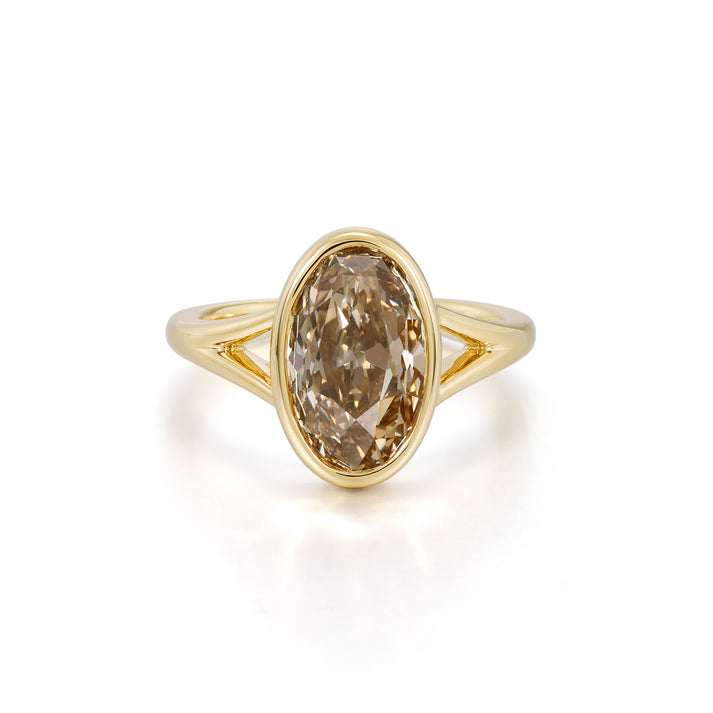
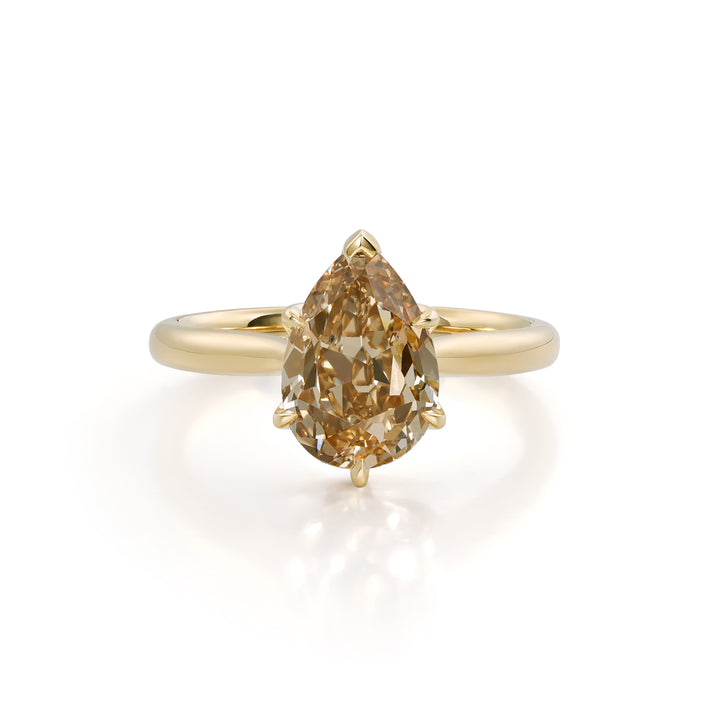
Champagne diamonds are among the most recognizable examples of warm-toned diamonds, a broader category that includes diamonds with soft natural colors ranging from warm white and champagne to honey, beige, and light brown.
Unlike vivid fancy color diamonds such as pink or blue, warm-toned diamonds are appreciated for their gentle, natural coloring. Their beauty is often understated. In some lighting they appear almost colorless, while in warmer light they reveal soft golden or earthy undertones that give the stone greater depth.
One of the reasons these diamonds have gained attention is their versatility. A warm-toned diamond can look equally at home in a minimalist solitaire, an antique-inspired setting, or a contemporary bezel design. The color complements a wide variety of metals, particularly yellow gold, where the transition between stone and setting feels smooth and intentional.
Among all warm-toned diamonds, champagne diamonds have become the best-known example. Their balanced color makes them easy to incorporate into both classic and modern jewelry, offering an alternative for buyers who appreciate warmth without moving into stronger fancy colors.
Many of today's warm-toned diamonds are also available as lab-grown diamonds, giving designers greater flexibility to create consistent color palettes across different shapes, proportions, and custom designs.
As a result, these diamonds are becoming an increasingly important part of modern fine jewelry, not simply because they are different, but because they offer another way to appreciate the natural beauty of color.

Why Champagne Diamonds Stand Out
What makes champagne diamonds unique is their balance of color and versatility.
Their appeal comes from subtlety. They offer warmth without the intensity of vivid fancy color diamonds, creating a look that feels refined instead of dramatic. Depending on the lighting, a champagne diamond may reveal soft golden, beige, or light brown undertones, giving the stone a depth that changes throughout the day.
This versatility makes champagne diamonds remarkably easy to wear. They pair naturally with yellow gold for a seamless, monochromatic look, while white gold and platinum create gentle contrast. In a simple solitaire, the color becomes the focal point, while vintage-inspired settings allow engraved metalwork, milgrain, and other details to enhance the stone’s character.
For buyers looking for something beyond the traditional white diamond, champagne diamonds offer a balance that few other colors can match. They are distinctive without being bold, warm without appearing overly yellow, and timeless without feeling conventional.
The Return of Earth Tones
Earth tones have become one of the defining aesthetics in contemporary design. Across fashion, architecture, interiors, and product design, bright contrasts have gradually given way to softer palettes inspired by the natural world. Shades of sand, stone, clay, linen, aged wood, and weathered bronze create spaces and objects that feel calm, balanced, and enduring.
Unlike seasonal color trends, earth tones rarely feel tied to a particular moment. They have a quiet versatility that allows them to age gracefully, which is one reason they continue to appear in collections long after brighter palettes have faded. Designers increasingly use these colors to create pieces that feel lived in rather than overly polished.
Fine jewelry has naturally followed the same direction. As warm, organic colors have gained broader appreciation, diamonds with subtle champagne and honey tones have become increasingly relevant. Rather than competing with the metal or surrounding design, they contribute to a more harmonious palette where every element works together.
This broader shift also helps explain why concepts such as De Beers' "Desert Diamonds" have attracted attention. The campaign did not introduce a new type of diamond. Instead, it reflected a growing appreciation for colors that already resonate across many areas of contemporary design.
Champagne diamonds embody this aesthetic particularly well. Their soft warmth, especially when paired with antique cuts, creates jewelry that feels connected to natural materials and timeless craftsmanship rather than short-lived trends.

Why Champagne Diamonds and Antique Cuts Work So Well Together
Few combinations highlight the beauty of champagne diamonds as naturally as antique cuts. Champagne diamonds and antique cuts are one of them.
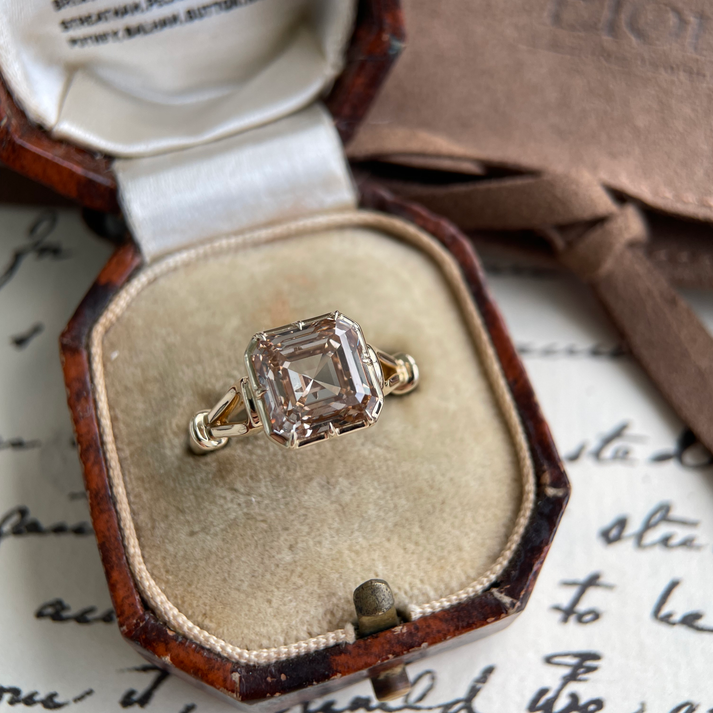
Old Mine Cut and Old European Cut diamonds were originally developed long before modern precision cutting. Their higher crowns, deeper pavilions, larger facets, and open culets create broad flashes of light rather than the sharp sparkle associated with modern brilliant cuts.
Those characteristics pair naturally with the softer tones of champagne diamonds.
Instead of producing bright white flashes, the larger facets allow warm reflections to move gently across the stone, highlighting subtle variations in color.
As light changes throughout the day, a champagne antique cut diamond can shift from pale gold to honey, soft bronze, or warm ivory, creating a depth that is difficult to achieve with brighter white diamonds.
The metal plays an equally important role. Yellow gold strengthens the warmth of the diamond, while hand engraving, milgrain, and antique-inspired galleries reinforce the sense of craftsmanship. Together, they create a piece that feels collected rather than manufactured, as though it carries a story even when newly made.
Antique-inspired engagement rings featuring champagne diamonds offer a distinctive alternative to conventional bridal jewelry while remaining elegant enough for everyday wear.
At Elora, many of our signature designs bring these elements together through carefully selected champagne diamonds, antique-inspired cuts, and custom settings designed to highlight the natural warmth of each stone.
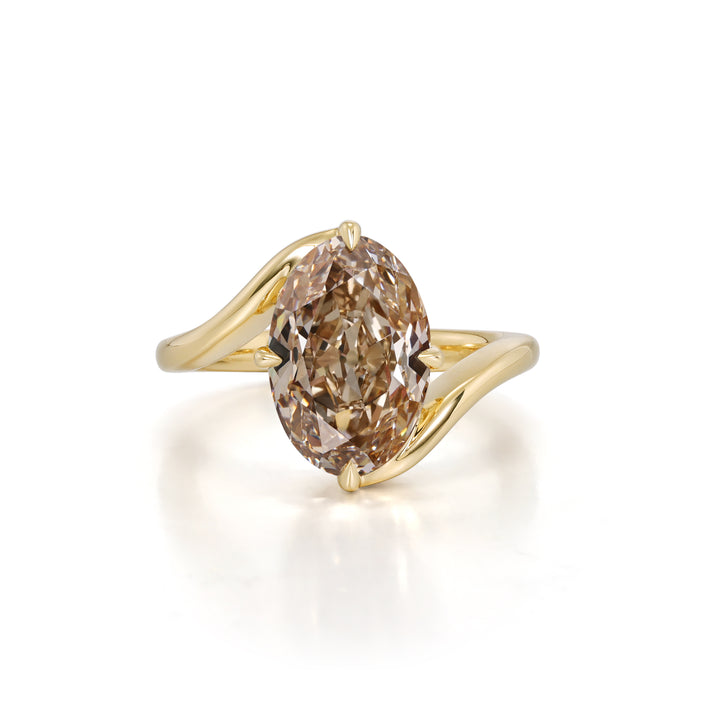
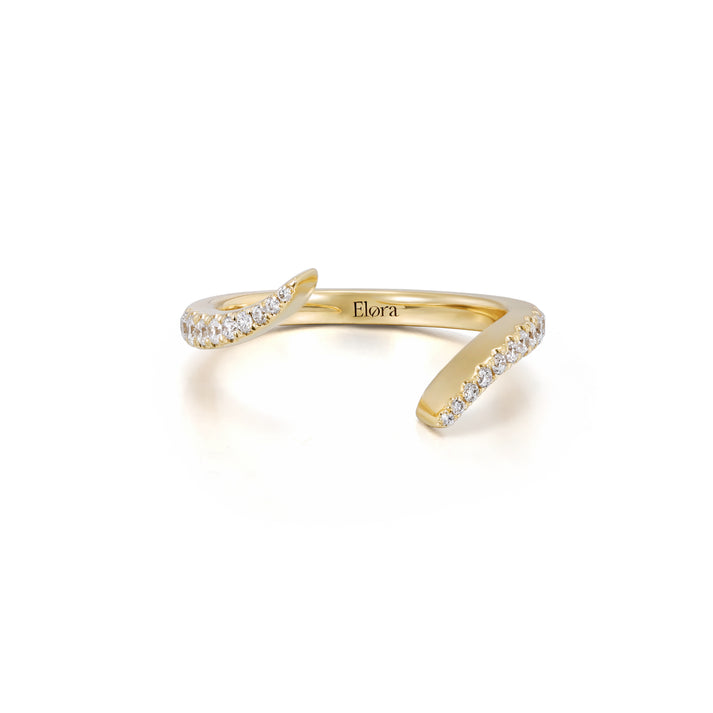
Champagne Diamonds in Modern Engagement Rings
Champagne diamonds are no longer limited to vintage-inspired jewelry. Their versatility allows them to work across a wide variety of contemporary engagement ring styles.
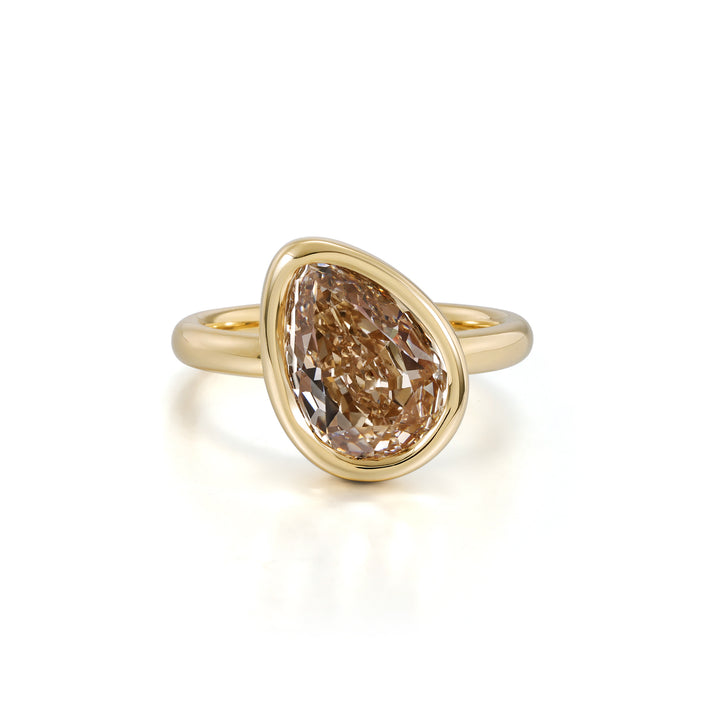
A classic solitaire highlights the natural color of the diamond with minimal distraction, allowing the stone to remain the center of attention. Bezel settings create a clean, sculptural appearance that complements the soft transitions between the diamond and the surrounding metal.
East-west settings offer a more contemporary interpretation, especially for elongated shapes such as oval, marquise, or antique cushion cuts.
Three stone rings have also become a popular choice. Pairing a champagne center stone with white side diamonds creates subtle contrast while preserving a balanced overall design. The difference in color adds depth without feeling overly dramatic.
For those looking for something even more individual, custom designs provide the greatest flexibility. Choosing the diamond shape, proportions, setting style, and metal together allows every element to work toward the same visual direction.
A warm-toned diamond can become understated in one design or highly expressive in another, depending on the choices surrounding it.
Rather than defining the style on its own, the diamond becomes part of a broader design language where color, proportion, and craftsmanship work together to create a ring with lasting character.
Antique elongated cushions, Old Mine Cuts, and elongated antique emerald cuts have become particularly popular choices for warm-toned diamonds because their proportions emphasize broad flashes of light rather than rapid scintillation.
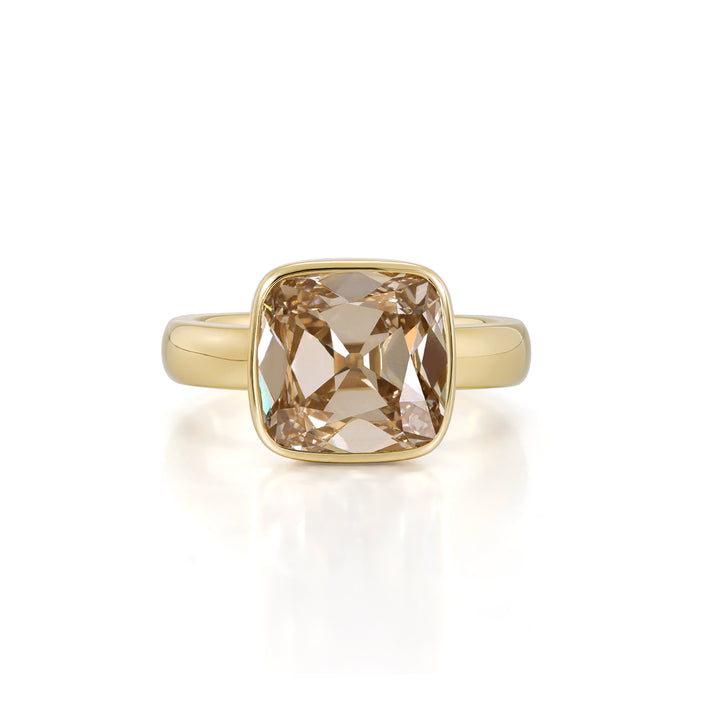
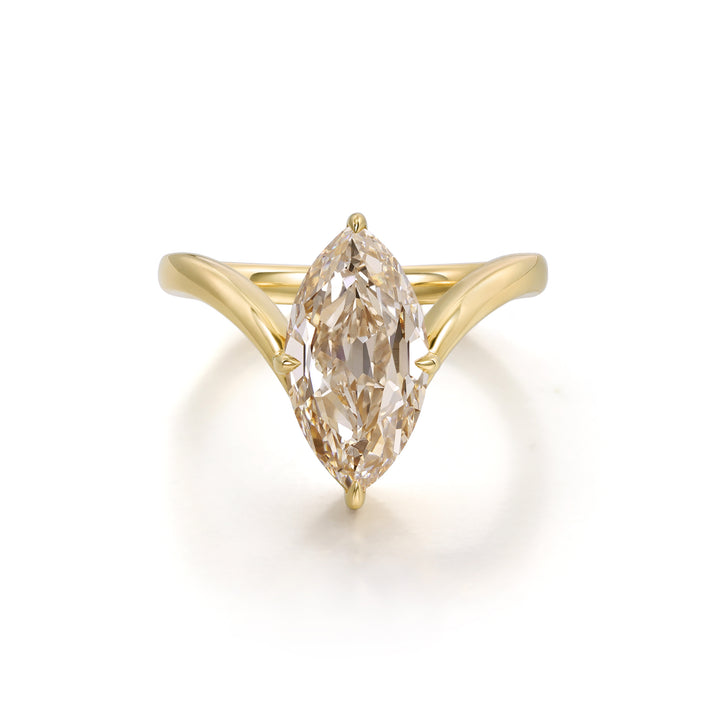
Lab-Grown Champagne Diamonds Open New Design Possibilities
Lab-grown diamonds have expanded what designers can create.
Lab-grown diamonds make it possible to work with a wider range of champagne and softly tinted hues while offering greater flexibility in shape, proportion, and matching. Instead of designing around a limited selection of available stones, designers can begin with a creative vision and build the diamond to suit it.
This is especially valuable for antique-inspired jewelry. Elongated Old Mine Cuts, chunky Old European Cuts, antique cushions, and other uncommon proportions are often difficult to source consistently.
Custom-cut lab-grown diamonds allow these distinctive shapes to be paired with carefully selected champagne tones, creating a more harmonious finished piece.
At Elora, warm-toned diamonds are at the heart of many of our collections. Alongside classic champagne diamonds, we specialize in custom-cut stones designed to complement vintage-inspired settings, hand-finished details, and proportions that are rarely found in standard jewelry collections.
This approach allows Elora to create champagne diamond rings with uncommon shapes, proportions, and settings that are rarely found in standard collections. The result is a broader range of engagement rings that celebrate individuality through thoughtful design rather than tradition alone.

Final Thoughts
For much of modern jewelry history, the conversation around diamonds centered on one goal: achieving the highest possible color grade.
Today, the conversation is becoming more nuanced.
Warm-toned diamonds have introduced another way to appreciate beauty. Their appeal comes not from the absence of color, but from the subtle character that color brings.
Champagne diamonds, antique cuts, yellow gold, and handcrafted details all reflect a growing appreciation for jewelry with depth, texture, and warmth.
The recent attention surrounding Desert Diamonds reflects that broader movement, but it is only one expression of a much larger shift. Across fine jewelry, designers and collectors are rediscovering the beauty of diamonds that feel connected to the natural world through their rich, earthy tones.
Whether you are drawn to a softly colored solitaire or an antique-inspired champagne diamond ring, warm-toned diamonds offer an elegant alternative to traditional white stones. They remind us that luxury does not always come from pursuing perfection.
Sometimes the most memorable diamonds are the ones that celebrate color instead of hiding it.
Explore Elora's collection of champagne diamond engagement rings, or work with our team to create a custom design built around the warmth, proportions, and craftsmanship that matter most to you.

Frequently Asked Questions
What are warm-toned diamonds?
Warm-toned diamonds are diamonds that display soft natural color instead of an icy white appearance. Their colors may range from warm white and champagne to honey and light brown, creating a softer and more organic look.
What are Desert Diamonds?
Desert Diamonds is a marketing concept introduced by De Beers to highlight jewelry inspired by warm, earthy diamond colors. While the name belongs to the campaign, it reflects a broader industry interest in champagne and other naturally warm-toned diamonds.
Are champagne diamonds considered warm-toned diamonds?
Yes. Champagne diamonds are one of the best-known examples of warm-toned diamonds. Their subtle golden and light brown hues make them a natural fit within this color family.
Why do champagne diamonds pair so well with antique cuts?
Antique cuts feature larger facets, higher crowns, and open culets that produce broader flashes of light. These characteristics enhance the soft warmth of champagne diamonds, creating a look that feels rich, dimensional, and distinctly vintage-inspired.
What metal works best with warm-toned diamonds?
Yellow gold is the most popular choice because it enhances the natural warmth of the diamond. Rose gold creates a softer romantic appearance, while white gold and platinum provide contrast that makes the champagne color more noticeable.
Are lab-grown champagne diamonds real diamonds?
Yes. Lab-grown champagne diamonds are real diamonds with the same physical, chemical, and optical properties as mined diamonds. The difference lies in how they are created, not in how they look or perform.
Can I customize a champagne diamond engagement ring?
Absolutely. Champagne diamonds are well suited to custom jewelry because they work beautifully with a wide variety of cuts, settings, and metal colors. At Elora, we offer custom-cut diamonds and bespoke engagement rings tailored to your preferred style and proportions.


