What Are Antique Cut Diamonds? A Guide to Old Mine, Old European, and Vintage Diamond Cuts


Antique cut diamonds have become increasingly popular in recent years, especially among people looking for engagement rings that feel less standardized and more personal.
Part of the appeal comes from the way antique cuts handle light. The sparkle feels slower and less uniform. Broader flashes instead of sharp white brilliance.
For some people, modern diamonds can feel almost too precise, especially when so many stones are optimized for maximum brightness.
Antique cuts came from a completely different period of diamond cutting. Many were developed long before electric lighting, when diamonds were viewed under candlelight or gas lamps instead of jewelry store spotlights. That history still shows in the way these diamonds look today.
No two antique cuts look exactly alike. Slight irregularities, open culets, and hand-cut proportions are all part of the appeal.
What Is an Antique Cut Diamond?
An antique cut diamond refers to a diamond cut developed before modern precision cutting standards became widely established.
Modern brilliant diamonds are mathematically optimized for brightness and symmetry. Antique cuts followed a different approach. Stones were shaped by hand, often guided more by the cutter’s eye than by exact calculations.
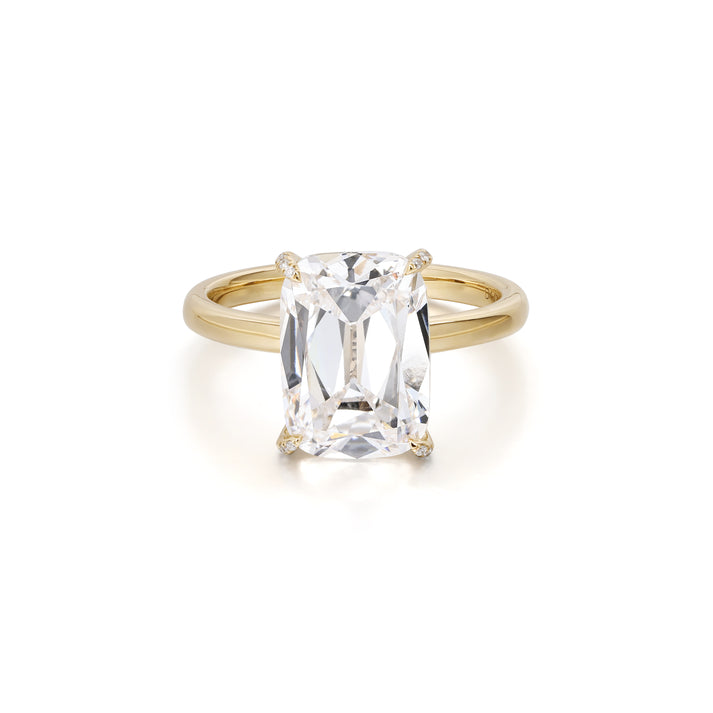
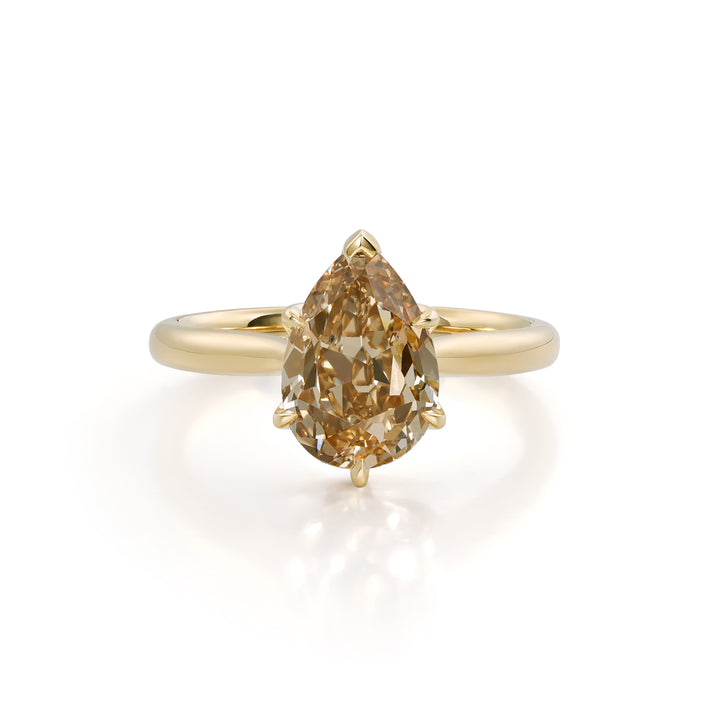
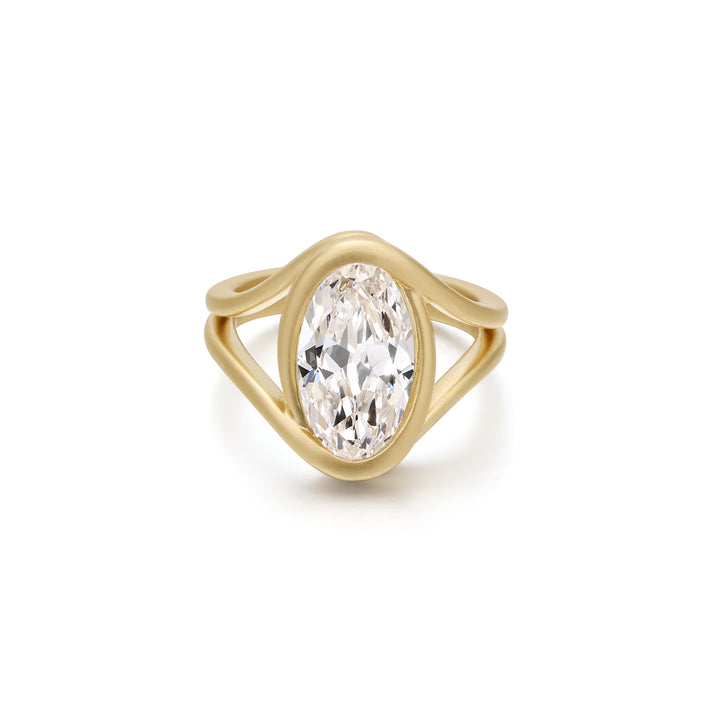
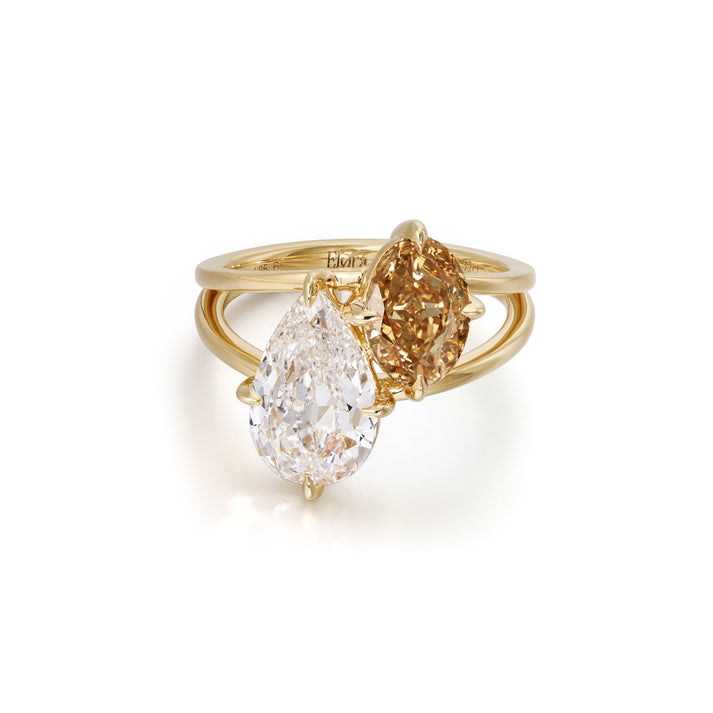
As a result, antique cuts usually feature larger facets, higher crowns, smaller tables, open culets, and softer symmetry.
The light performance also feels different in person. Instead of producing highly scattered sparkle, antique cuts reflect light in broader flashes with more visible depth and contrast. Many people describe the effect as softer, warmer, or more atmospheric than modern brilliance.
The category includes several historical cutting styles, including Old Mine Cut, Old European Cut, Rose Cut, and Transitional Cut diamonds.
Today, antique cuts appear in both natural and lab-grown diamonds, especially in vintage-inspired engagement rings and custom fine jewelry.
The History of Antique Diamond Cuts
Antique diamond cuts developed gradually over several centuries, long before modern cutting technology existed.
Early diamond cutters focused less on precision and more on preserving weight from the rough stone while improving how the diamond reflected light under candlelight. Every stone was cut by hand, so slight irregularities were unavoidable.
Different cutting styles emerged over time. Rose cuts became popular during the Georgian and early Victorian eras. Old Mine Cuts later developed as one of the earliest cushion-like shapes. By the late nineteenth and early twentieth centuries, Old European Cuts had become the predecessor to the modern round brilliant diamond.
As electric lighting and precision cutting technology advanced, diamond cutting priorities changed. Modern brilliant cuts eventually replaced many older styles because they produced stronger brightness under modern lighting conditions.
Antique cuts never fully disappeared, though. Collectors, vintage jewelry lovers, and people drawn to less standardized diamonds continued to seek them out.

Why Antique Cut Diamonds Look Different
Several details give antique cuts their distinct appearance.
Larger, Chunkier Facets
Antique cuts usually feature larger facets than modern brilliant diamonds. The light reflections feel broader and slower instead of highly scattered.
In person, the effect often feels deeper and less glassy than modern brilliance.
Higher Crowns and Smaller Tables
Many antique cuts have higher crowns and smaller table facets. This changes how light moves through the stone and creates more visible depth.
The overall appearance often feels softer and more dimensional rather than extremely sharp or bright.
Open Culets
One of the easiest ways to recognize an antique cut diamond is the open culet.
Instead of coming to a sharp point at the bottom, the facets meet in a small flat opening.
Viewed from above, this can sometimes appear as a subtle circle at the center of the stone.
By modern standards, this might seem unusual. Among antique diamond collectors, it is often considered one of the most desirable features.
Softer Symmetry
Modern diamonds are cut with extremely precise symmetry. Antique cuts were shaped by hand long before laser precision cutting existed.
Slight asymmetry is common. In many cases, that irregularity is exactly what gives the diamond character.
Popular Types of Antique Diamond Cuts
Old Mine Cut Diamond
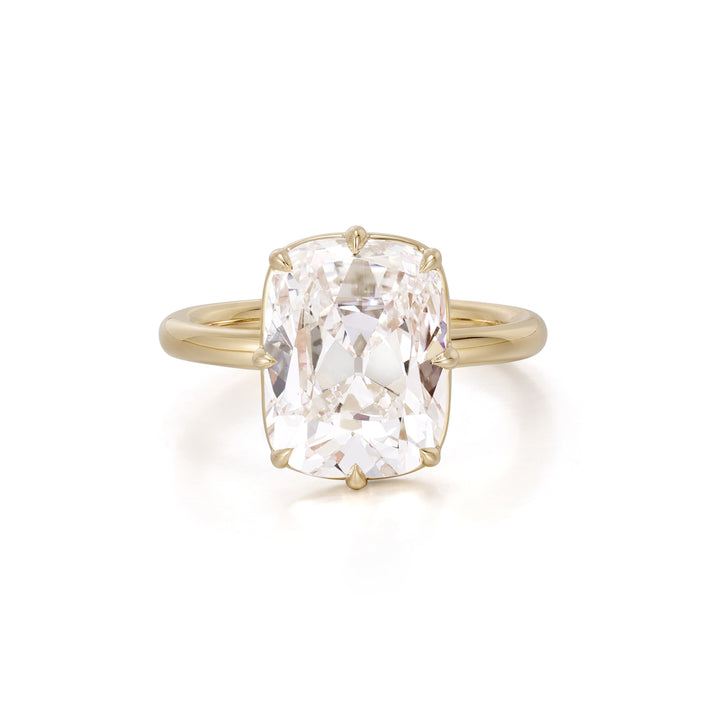
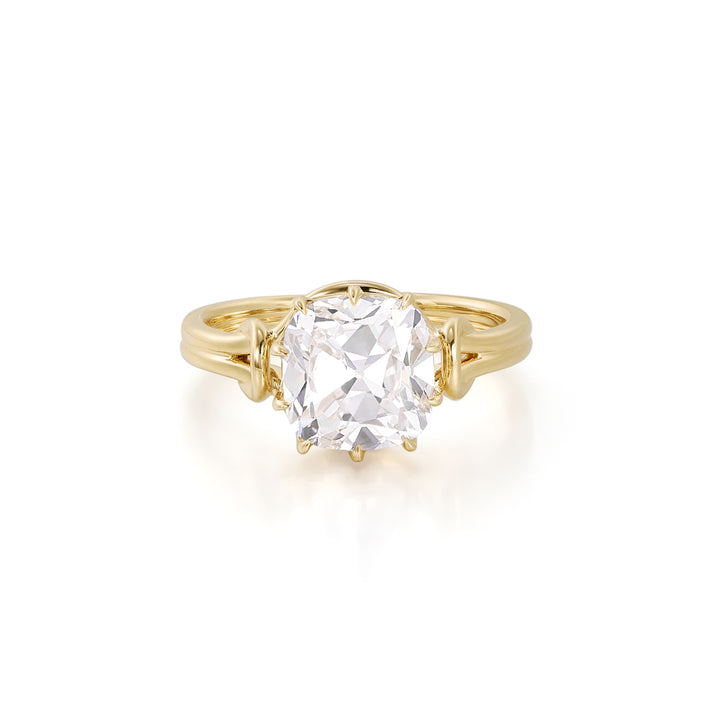
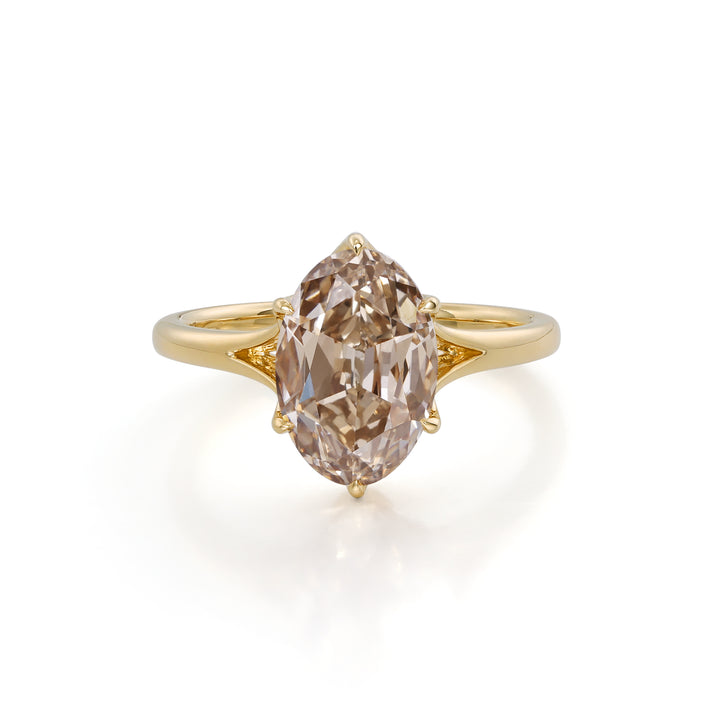
The Old Mine Cut is one of the earliest antique diamond cuts and is often considered the predecessor to the modern cushion cut.
Most Old Mine Cuts feature a squarish or softly rectangular outline, high crown, small table, open culet, and chunky facets. Compared to modern cushion cuts, they tend to feel deeper, softer, and less standardized.
Because these diamonds were developed during the candlelight era, the sparkle often feels warmer and slower than modern brilliant cuts.
Antique cushion-cut diamonds remain especially popular in vintage-inspired engagement rings and yellow gold settings.
Old European Cut Diamond
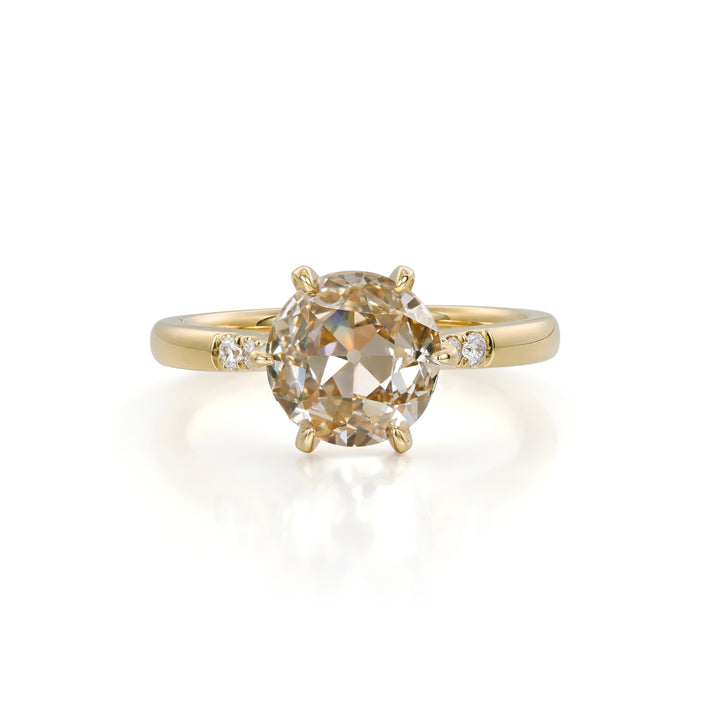
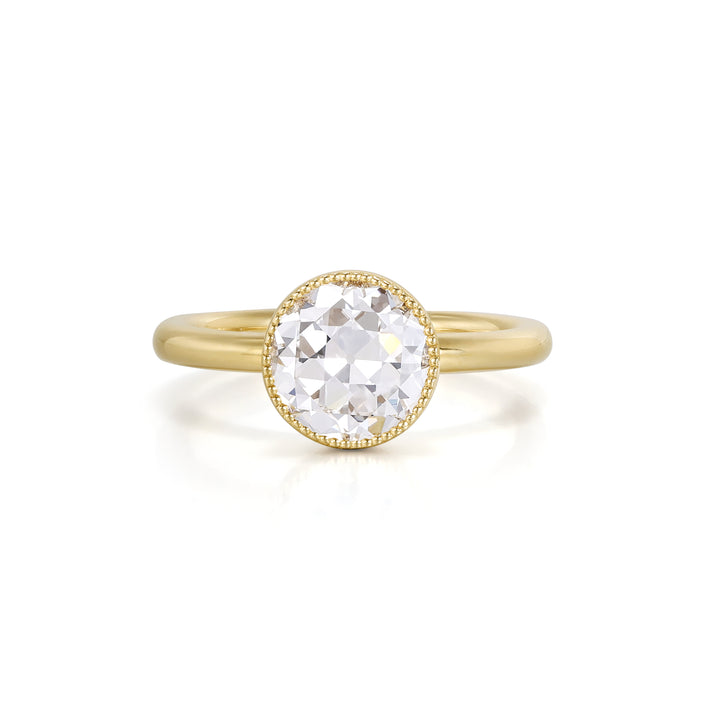
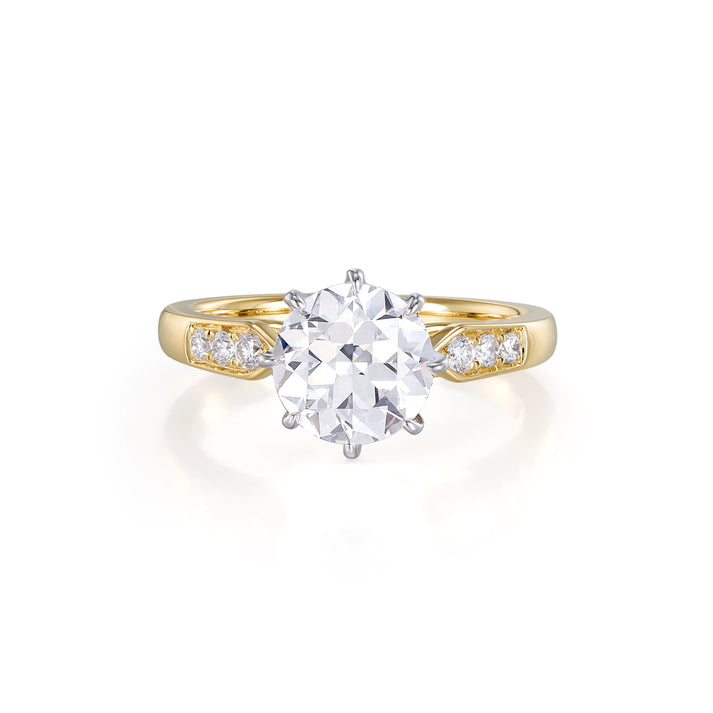
Old European Cuts, often called OEC diamonds, became the predecessor to modern round brilliant diamonds.
They feature a round outline with a smaller table, higher crown, open culet, and broader facet structure. The light pattern tends to feel softer and more dimensional than a modern round diamond.
Compared to Old Mine Cuts, Old European Cuts usually appear rounder and slightly more balanced in shape.
Many people are drawn to Old European Cuts because they combine antique character with a silhouette that still feels familiar today.
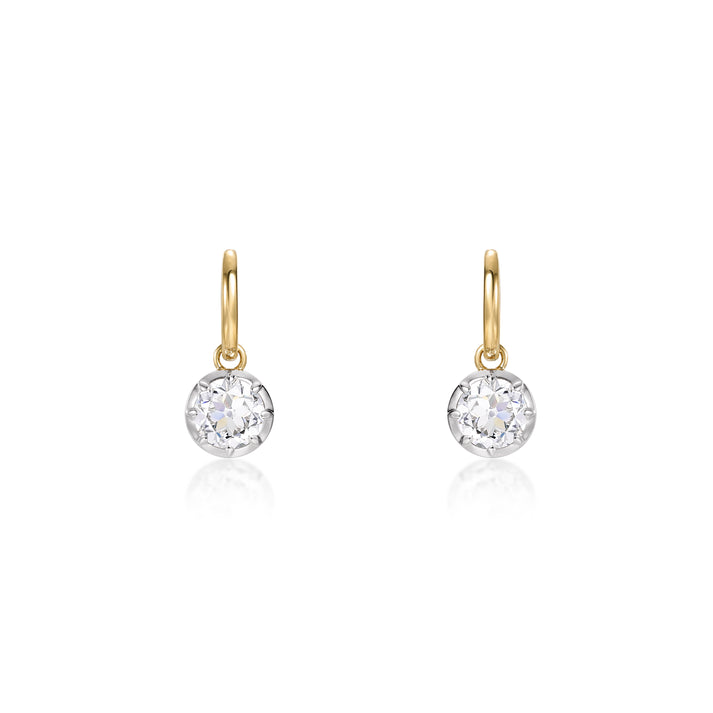
Rose Cut Diamond
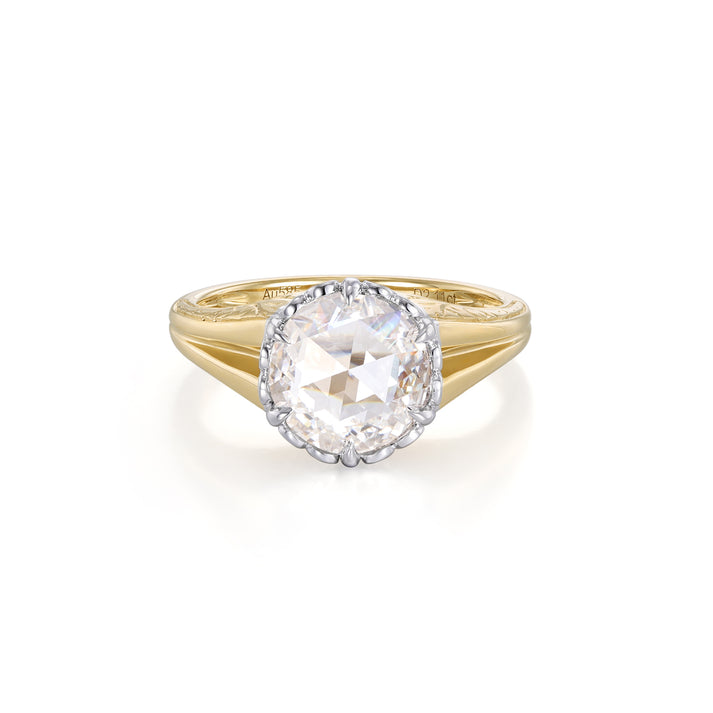
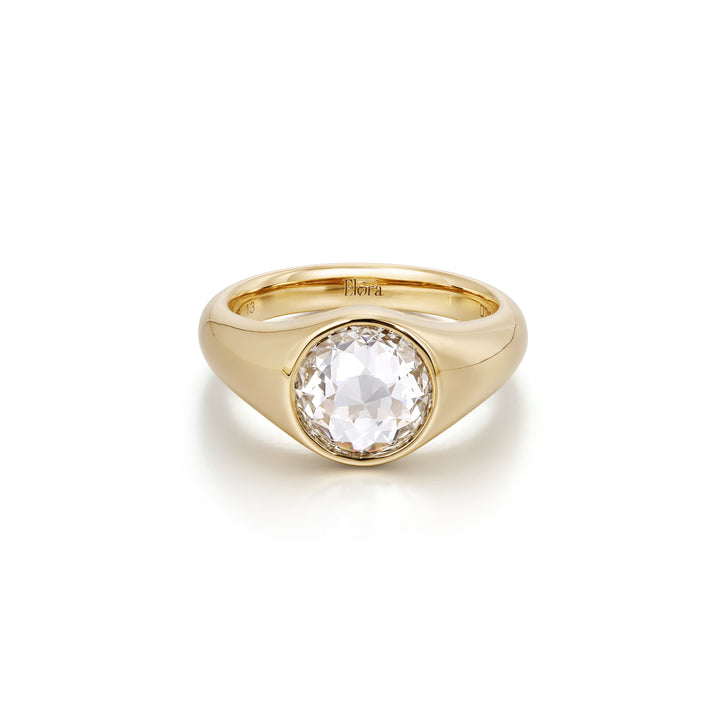
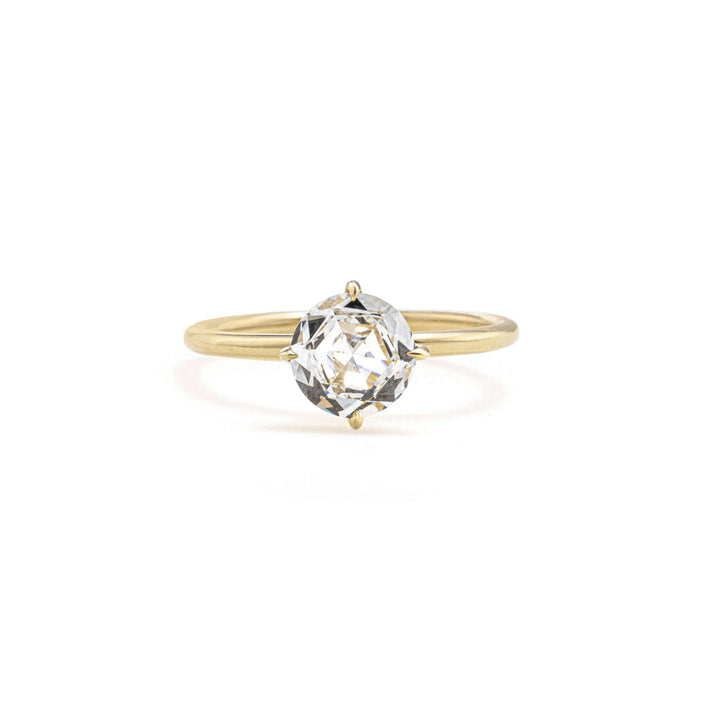
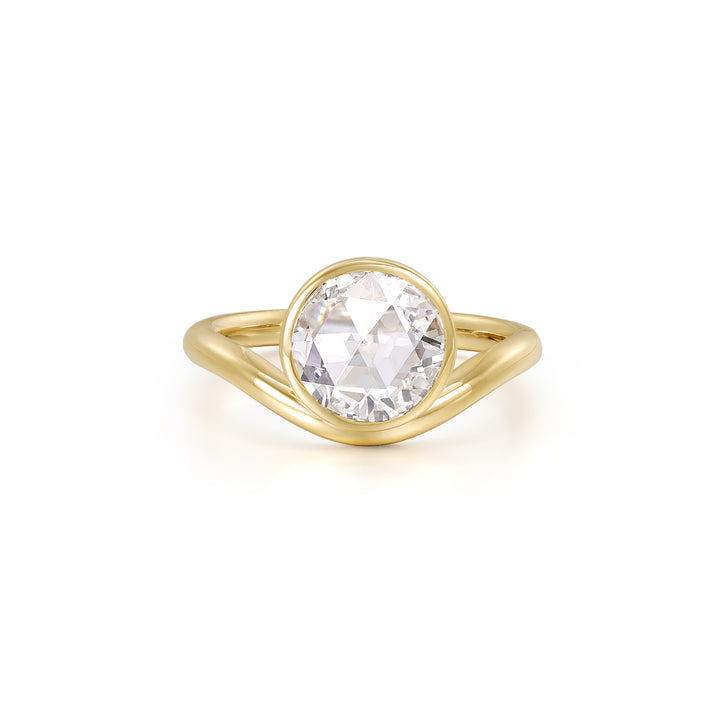
Rose cuts are among the oldest antique diamond styles.
Unlike most modern diamonds, they feature a flat base with a domed top covered in triangular facets. Traditional rose cuts usually contain 24 facets, though variations exist.
The light performance is very different from modern brilliant cuts. Instead of sharp sparkle, rose cuts create a softer glow that feels almost diffused in lower lighting.
Because rose cuts lack a deep pavilion, they often appear larger face-up compared to modern cuts of similar carat weight. Their shallow structure also allows them to sit lower and closer to the skin.
Today, rose cuts are especially popular in antique-inspired jewelry, earrings, pendants, and stacking rings.
Transitional Cut Diamond
Transitional cuts appeared during the period between Old European Cuts and modern round brilliant diamonds.
They combine elements of both styles. The symmetry is often more refined than older antique cuts, while larger facets and open culets are still present.
For many vintage jewelry enthusiasts, transitional cuts sit somewhere between antique character and modern brilliance.
Antique Cut vs Modern Cut Diamonds
| Characteristic | Antique Cut Diamonds | Modern Cut Diamonds |
| Facet Structure | Larger, chunkier facets | Smaller, highly calibrated facets |
| Light Performance | Broader flashes of light | Intense white brilliance |
| Overall Appearance | Hand-cut appearance | Precision symmetry |
| Visual Depth | More depth and contrast | Maximum light return |
| Culet | Often feature open culets | Usually no visible culet |
| Lighting Origin | Developed for candlelight | Optimized for modern lighting |
Modern brilliant cuts prioritize brightness and precision. Antique cuts focus more on depth, atmosphere, and character.
Some people prefer intense sparkle. Others are drawn to the softer and less standardized look of antique cuts.
Why Choose an Antique Cut Diamond?
Antique cuts feel different from most modern diamonds, even before you notice the details.
The broader facets, softer symmetry, and slower flashes of light create a less standardized appearance. Many people are drawn to that sense of individuality.
Antique cuts also tend to feel less mass-produced. Small irregularities, open culets, and hand-cut proportions create a sense of craftsmanship that is difficult to fully replicate through perfectly calibrated cutting.
Vintage-inspired settings pair naturally with antique cuts, especially designs that include milgrain detail, yellow gold, engraving, or old world influences. At the same time, antique cuts can also look surprisingly modern in minimal solitaire settings.
Lab-grown diamonds have also made antique cuts more accessible. Larger sizes, unusual proportions, and custom antique-inspired designs are now much easier to create without the pricing typically associated with natural antique stones.

Value and Pricing of Antique Cut Diamonds
Pricing for antique cut diamonds varies depending on rarity, craftsmanship, condition, and whether the diamond is natural or lab-grown.
Natural antique diamonds are often valued for their age and uniqueness. Well-preserved Old Mine and Old European diamonds can command premium prices among collectors.
Lab-grown antique cuts offer a different kind of appeal. Instead of focusing primarily on rarity, buyers can prioritize shape, facet structure, and overall visual character.
For many people, antique cuts are less about numerical perfection and more about how the diamond actually feels once worn.
How to Choose an Antique Cut Diamond
Antique cuts should not be judged entirely by modern diamond standards.
Many antique cuts do not receive modern cut grades, which makes visual balance and light pattern more important than numerical perfection on paper.
Symmetry matters less than it does in modern brilliant cuts. Shape appeal, facet balance, and overall presence tend to matter more.
Viewed in person, antique cuts should display broader flashes of light rather than highly scattered sparkle. Slight asymmetry is normal, but the diamond should still feel visually balanced overall.
Open culets, chunkier facets, and higher crowns are all part of what gives antique cuts their distinctive appearance.
Protective prongs or bezel settings are often recommended for antique cuts with thinner girdles or exposed corners, especially for rings worn daily.
Custom antique-inspired cuts and proportions can also be explored through our custom jewelry design service.
Caring for Antique Cut Diamonds
Antique cut diamonds can generally be cared for the same way as modern diamonds.
Warm water, mild soap, and a soft brush are usually enough for regular cleaning. Because antique cuts often feature deeper proportions and larger facets, buildup can become more noticeable over time.
Higher crowns and more exposed settings may also benefit from occasional professional inspections, especially for rings worn daily.
For more detailed maintenance tips, you can also follow our diamond jewelry care guide.
Conclusion
Modern brilliant diamonds were designed for brightness and precision. Antique cuts follow a different approach.
The light feels softer. The facets are larger. Small irregularities are part of the appeal.
For people who want a diamond that feels less standardized, that difference matters.
FAQs
Q What is an antique cut diamond?
An antique cut diamond refers to a historical diamond cutting style developed before modern precision cutting became standard. These diamonds were cut by hand and often feature larger facets, open culets, and softer symmetry.
Q What is the difference between Old Mine Cut and Old European Cut diamonds?
Old Mine Cuts usually have a cushion-like outline with a softer, squarer appearance. Old European Cuts are rounder and became the predecessor to the modern round brilliant diamond.
Q Are antique cut diamonds less sparkly than modern diamonds?
Not necessarily. The sparkle simply looks different. Modern brilliant cuts create intense white brilliance and highly scattered light, while antique cuts reflect light in broader, slower flashes with more depth and contrast.
Q Why do antique diamonds have open culets?
Open culets were originally used to protect the bottom tip of the diamond during hand cutting. Today, they are considered one of the defining visual characteristics of antique cuts.
Q Do antique cut diamonds look less perfect?
Compared to modern diamonds, yes. Slight asymmetry and hand-cut irregularities are common. For many people, that individuality is part of the appeal rather than a flaw.
Q Can lab-grown diamonds be antique cut?
Yes. Many antique-inspired cuts, including Old Mine Cuts and Old European Cuts, are now available in lab-grown diamonds. This allows for more flexibility in size, proportion, and custom design.
Q Are antique cut diamonds more expensive?
Natural antique diamonds can be expensive because of rarity and collector demand. Lab-grown antique cuts are generally more accessible while maintaining a similar visual style.
Q Are antique cut diamonds good for engagement rings?
Yes. Antique cuts are especially popular in vintage-inspired engagement rings, but they can also work beautifully in minimal solitaire settings. The choice usually comes down to personal preference and the type of light performance you enjoy most.


