Solitaire Engagement Ring with Wedding Band Pairings


A solitaire engagement ring is one of the most enduring styles in fine jewelry. With a single center stone and a clean setting, it feels straightforward and easy to wear. Many people assume that pairing a wedding band with a solitaire will be simple for that reason.
In practice, small differences in band style, width, and height can change the overall look more than expected. The right pairing can make the set feel balanced and comfortable for daily wear.
In this guide, you’ll see how different wedding bands work with solitaire engagement rings across a range of diamond shapes. The focus is on simple, wearable pairings rather than dramatic contrasts. Each example shows how a classic solitaire can shift in character depending on the band beside it.

What Is a Solitaire Engagement Ring?
A solitaire engagement ring features a single center diamond or gemstone set on a plain band. Without side stones or added detail, the design keeps the focus on the center stone. This clarity is what gives the solitaire its lasting appeal. It suits many styles and does not rely on trends.
The simplicity of a solitaire also makes it easy to pair with a wedding band. It can sit next to a plain band for a clean look or alongside a diamond band for added texture. Many people start with a solitaire and build their set over time, adding bands to mark milestones or simply to change the look. Because the base design is so clean, it rarely feels crowded.
Why Wedding Band Pairings Matter?
Pairing a wedding band with a solitaire engagement ring is about more than matching metals. The shape of the center stone, the height of the setting, and the width of the band all affect how the rings sit together. A well-chosen band can make the set feel natural on the hand and easy to wear every day.
Some people prefer a flush fit where the rings sit closely together. Others like a small space between them so each ring stands on its own. Both approaches can look right when the proportions feel balanced. As you look through the pairings in this guide, notice how a simple band can change the feel of a solitaire without overwhelming it.
Popular Wedding Band Styles for a Solitaire Engagement Ring
Classic Plain Band

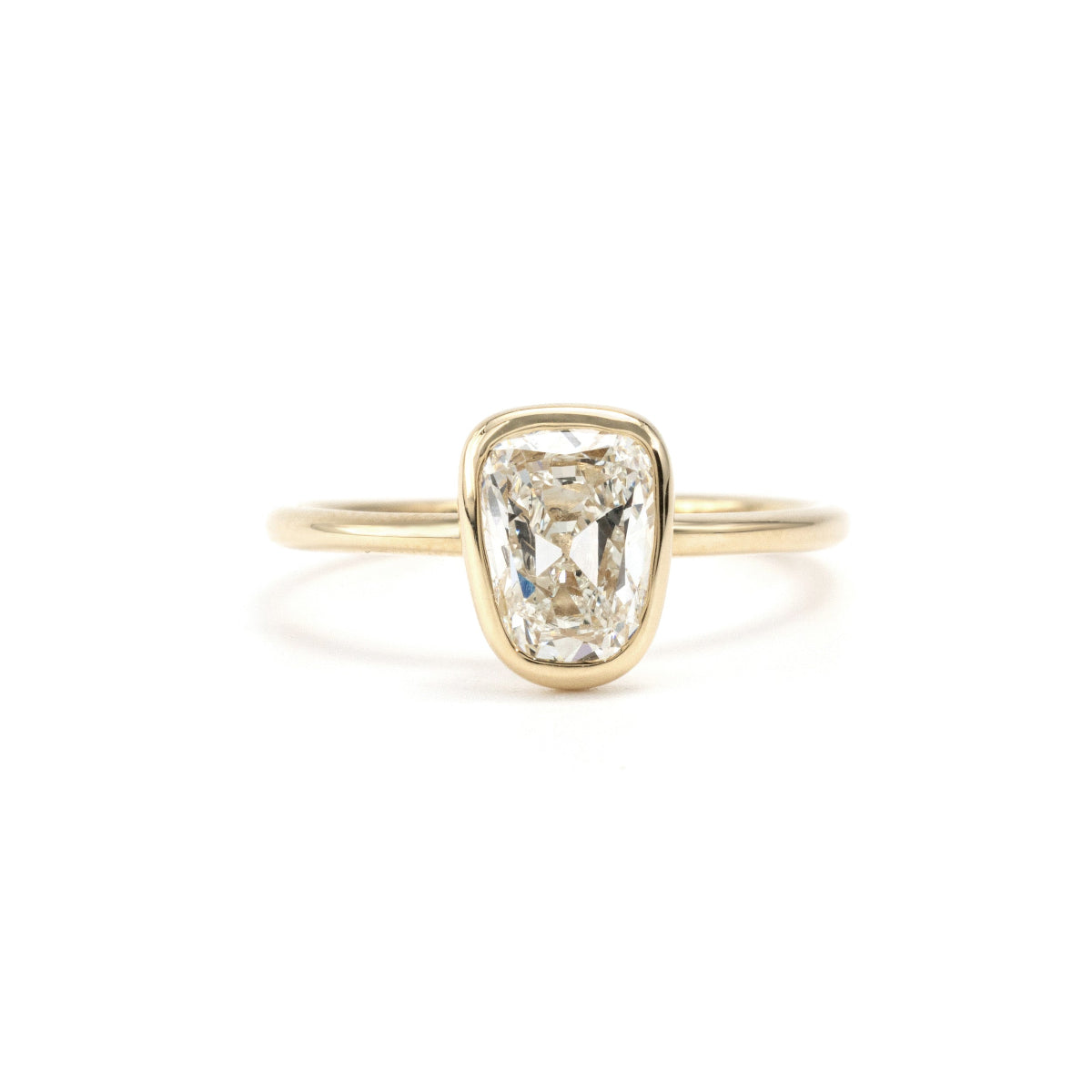
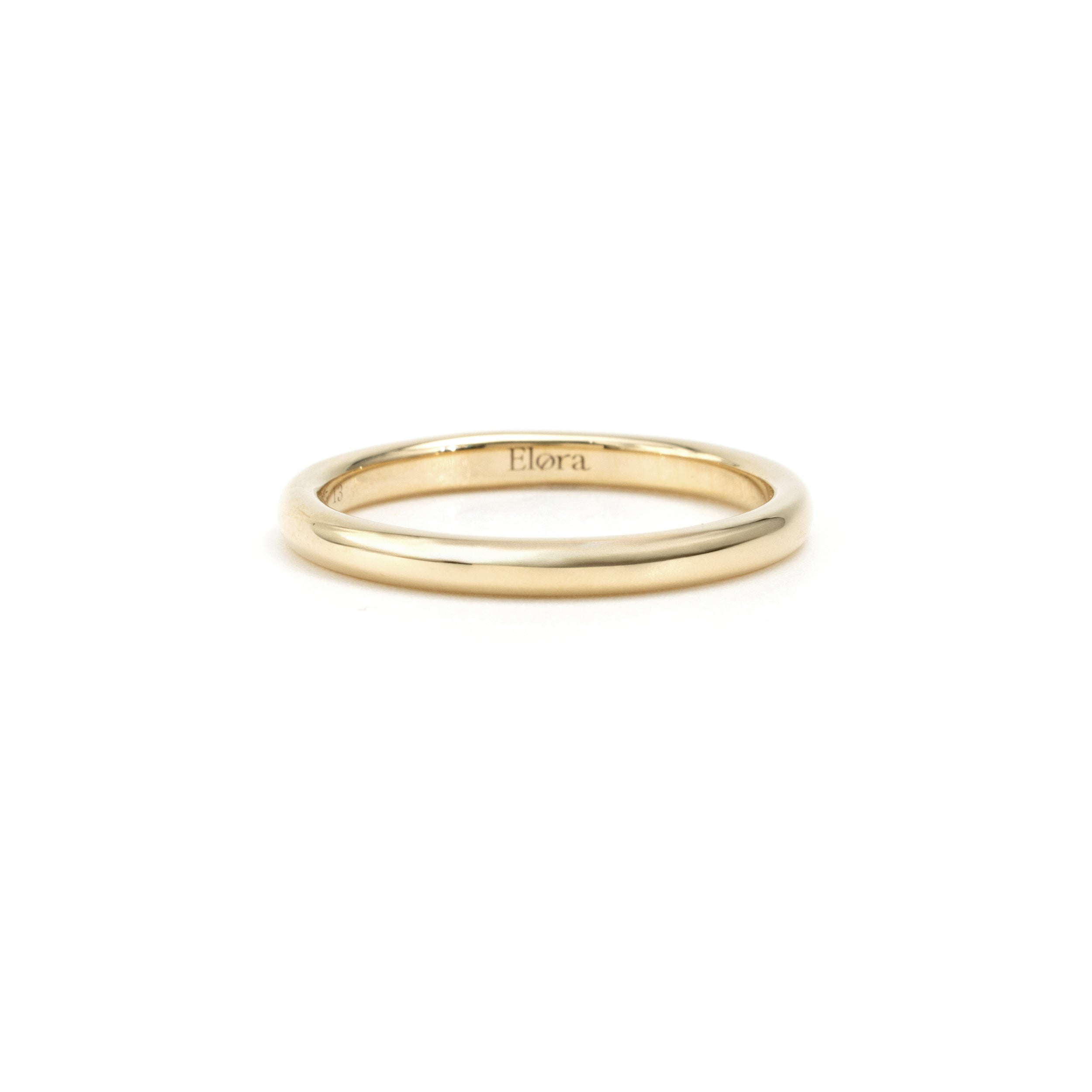
A plain wedding band is the most traditional choice to wear with a solitaire. It keeps the focus on the center stone and adds a clean line beside it. This pairing works well if you prefer a minimal look that will still feel right years from now. It also pairs easily with most diamond shapes and settings.
 ELORA FINE JEWELRY ELORA FINE JEWELRY
Emma-Old European Cut Lab Grown Diamond RingFrom $1299.00
Shop Emma Now
|
 ELORA FINE JEWELRY ELORA FINE JEWELRY
Ella-Yellow Gold Eternity Wedding BandFrom $499.00
Shop Ella Now
|
Pavé Band

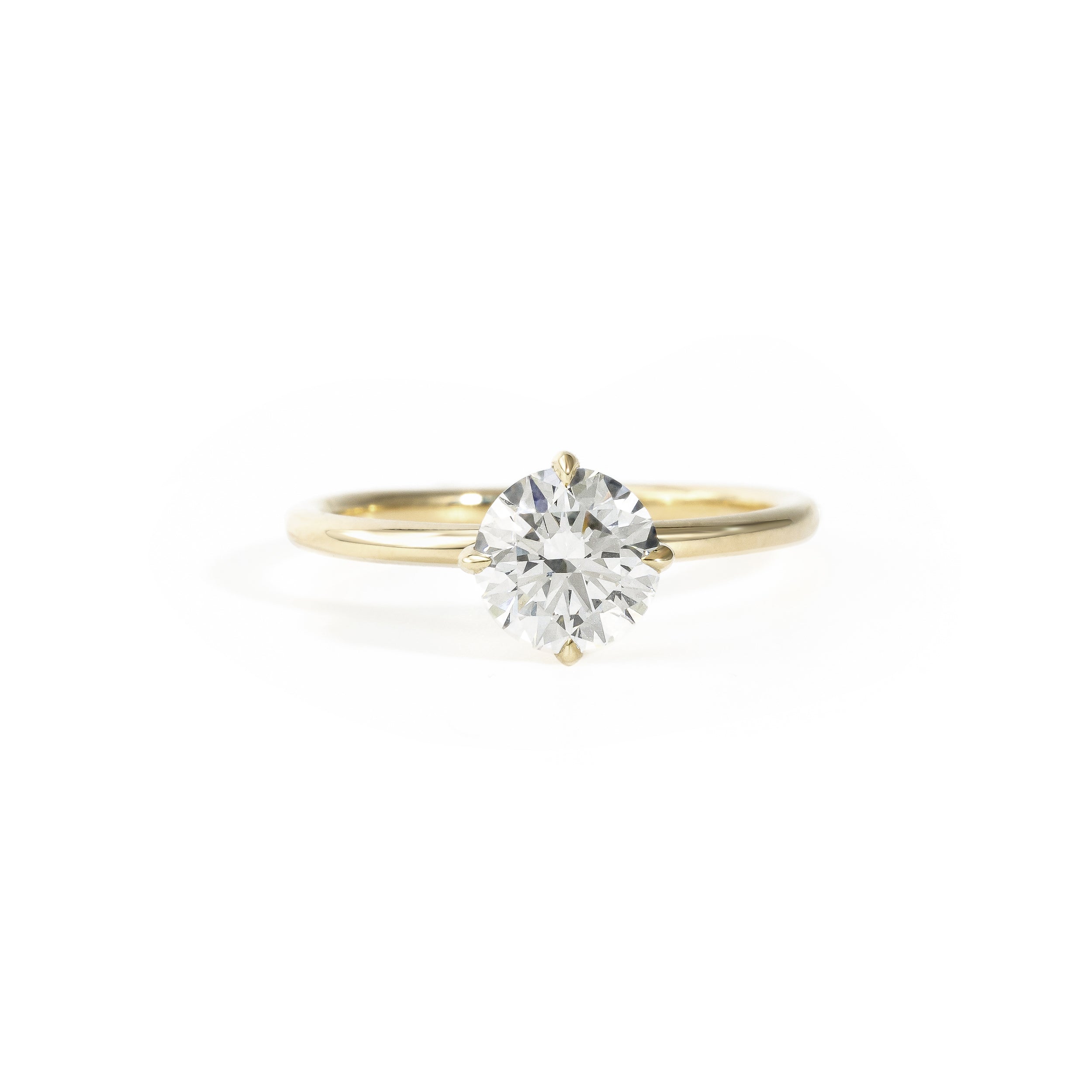
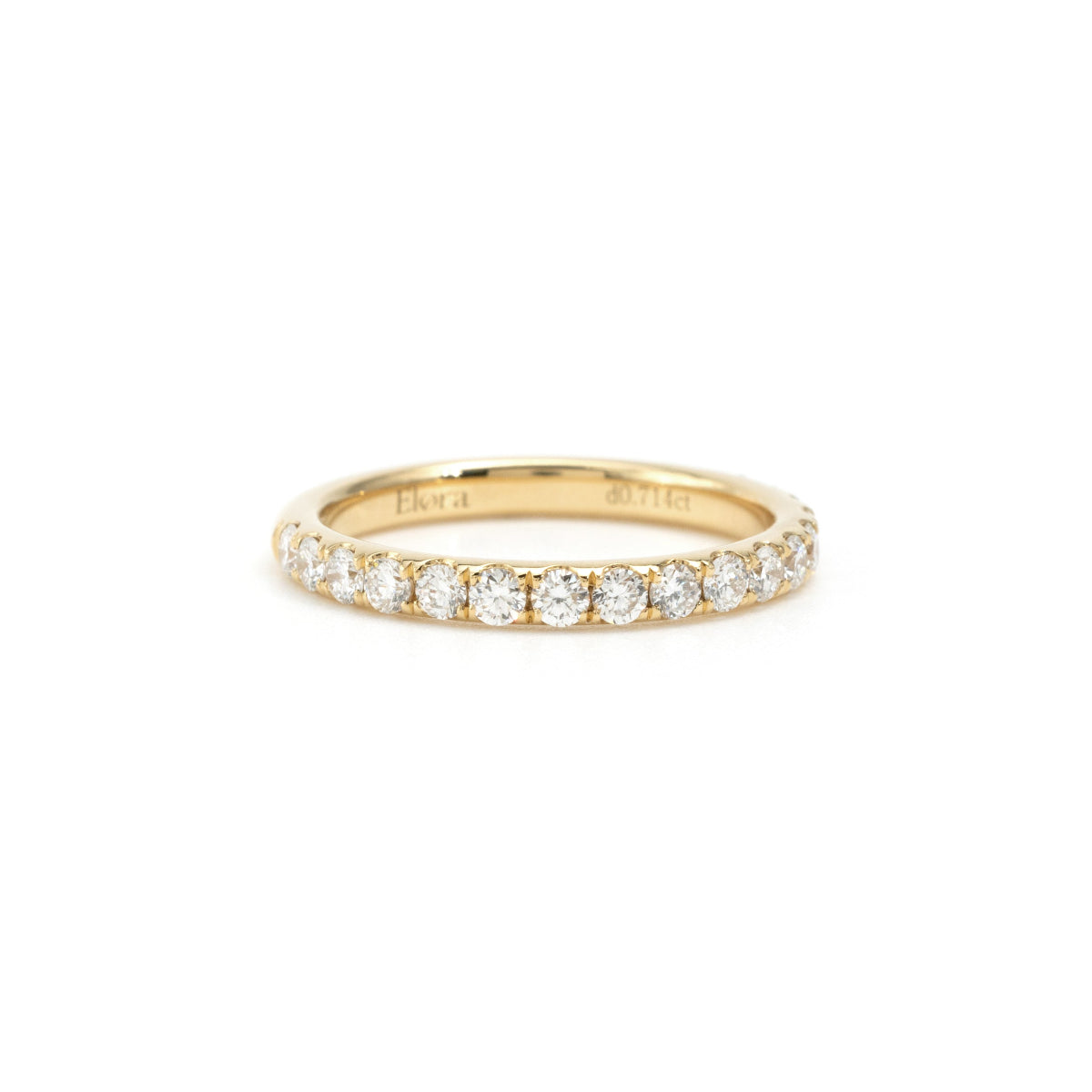
A pavé band adds a bit more sparkle while still letting the solitaire lead. Small diamonds along the band catch the light without taking attention away from the center stone. This is a popular option for those who want a little more shine but still want the set to feel balanced and wearable.
 ELORA FINE JEWELRY ELORA FINE JEWELRY
Layla-Round Cut Lab Grown Diamond RingFrom $999.00
Shop layla Now
|
 ELORA FINE JEWELRY ELORA FINE JEWELRY
Gianna-Round Cut Lab Grown Diamond RingFrom $699.00
Shop gianna Now
|
Eternity Band

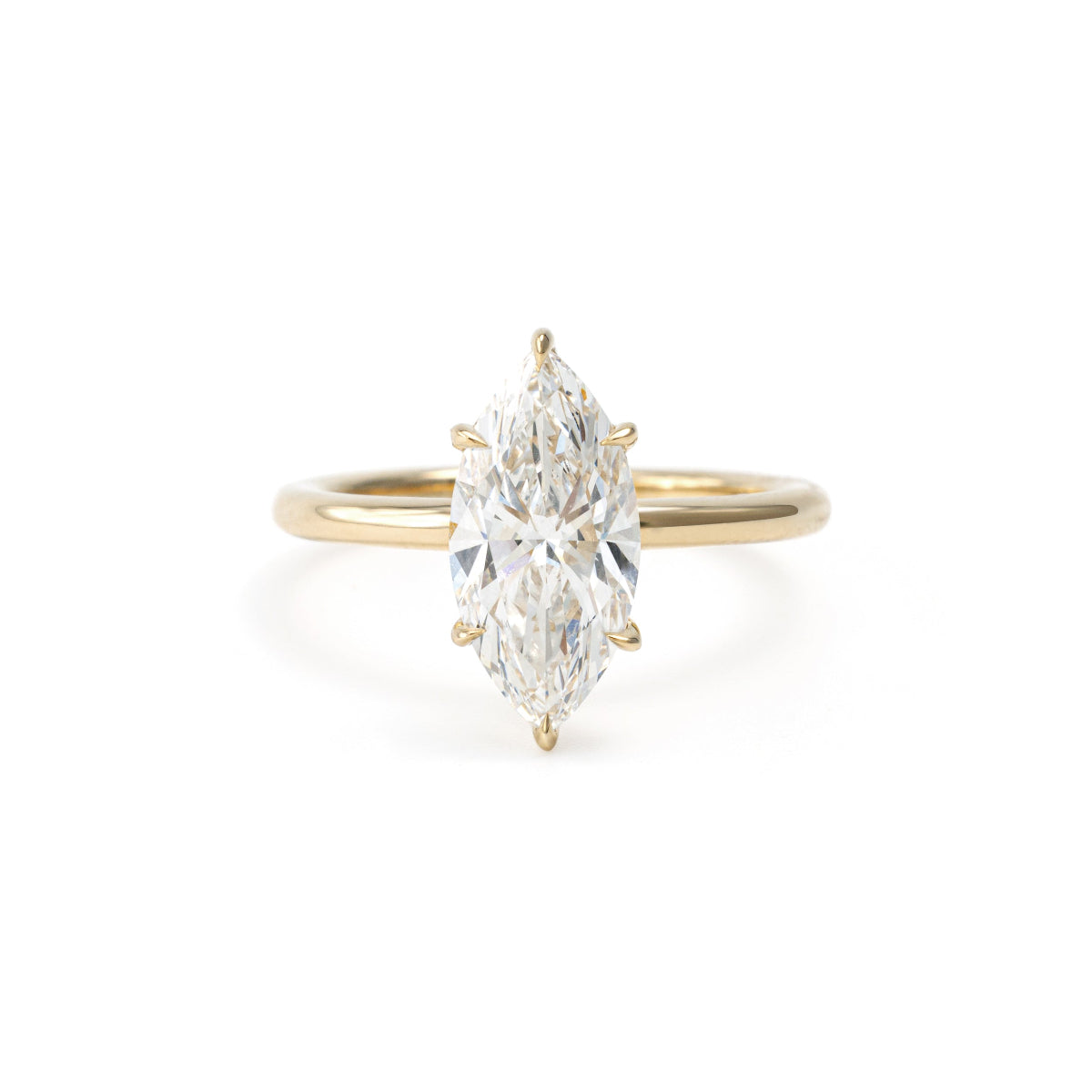
An eternity band creates a more noticeable, jewelry-forward look. The continuous row of diamonds adds presence and texture next to a solitaire. Some prefer a full eternity band for symmetry, while others choose a half-eternity style for comfort and easier daily wear. Both can work well depending on how bold you want the set to feel.
 ELORA FINE JEWELRY ELORA FINE JEWELRY
Elena-Marquise Cut Lab Grown Diamond Ring
From $1234.00 $1299.00
Shop elena Now
|
 ELORA FINE JEWELRY ELORA FINE JEWELRY
Aura-Round Cut Lab Grown Diamond RingFrom $699.00
Shop aura Now
|
Curved or Contour Band

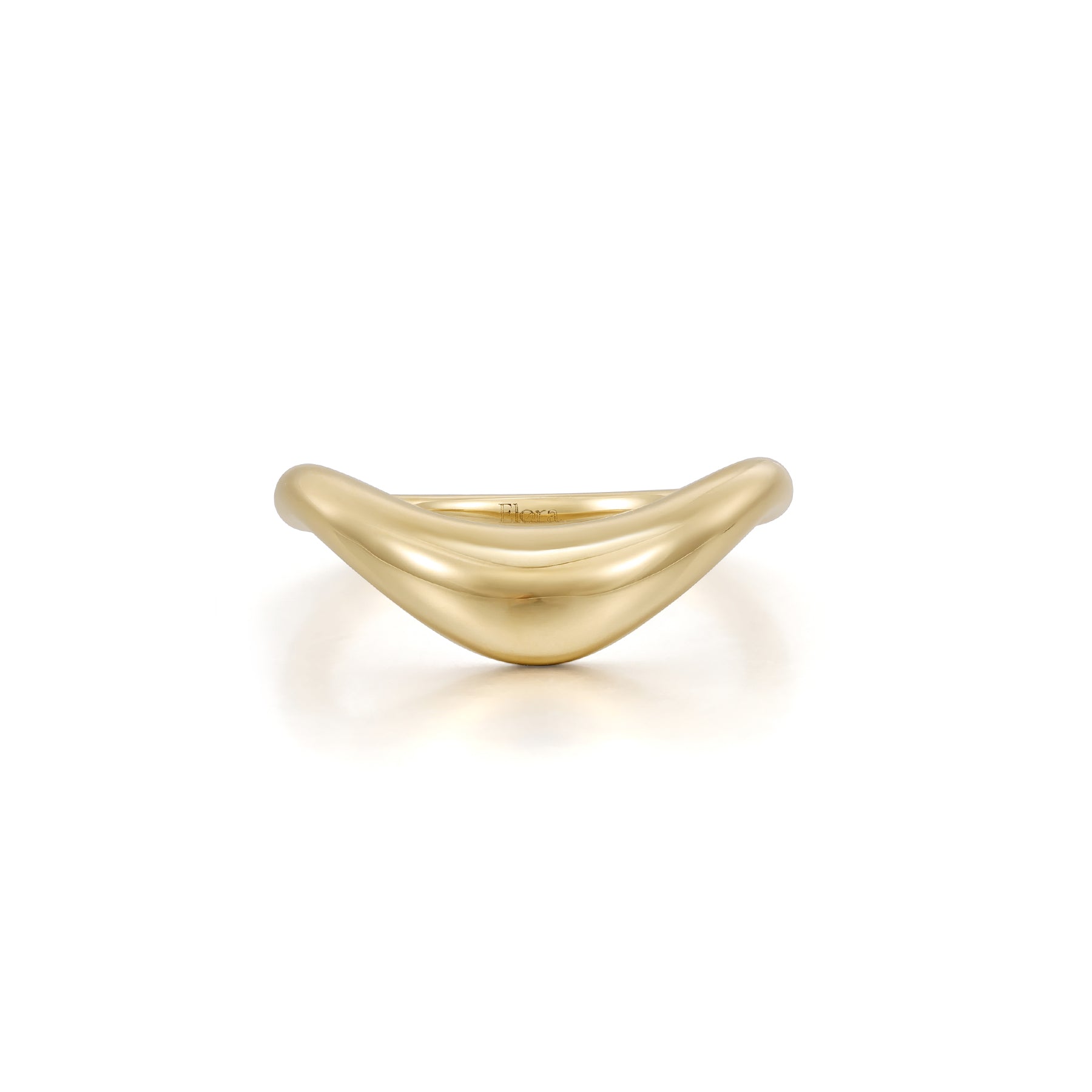
Not every solitaire sits high enough for a straight band to fit neatly beside it. A curved or contour band can follow the shape of the engagement ring so the two sit closer together. This is often helpful with elongated shapes like oval, pear, or marquise diamonds. It allows the rings to feel connected without forcing a tight fit.
 ELORA FINE JEWELRY ELORA FINE JEWELRY
Sofia-Pear Cut Lab Grown Diamond RingFrom $1299.00
Shop Sofia Now
|
 ELORA FINE JEWELRY ELORA FINE JEWELRY
Serena-Yellow Gold Curved Wedding BandFrom $999.00
Shop Serena Now
|
Vintage-Inspired Band

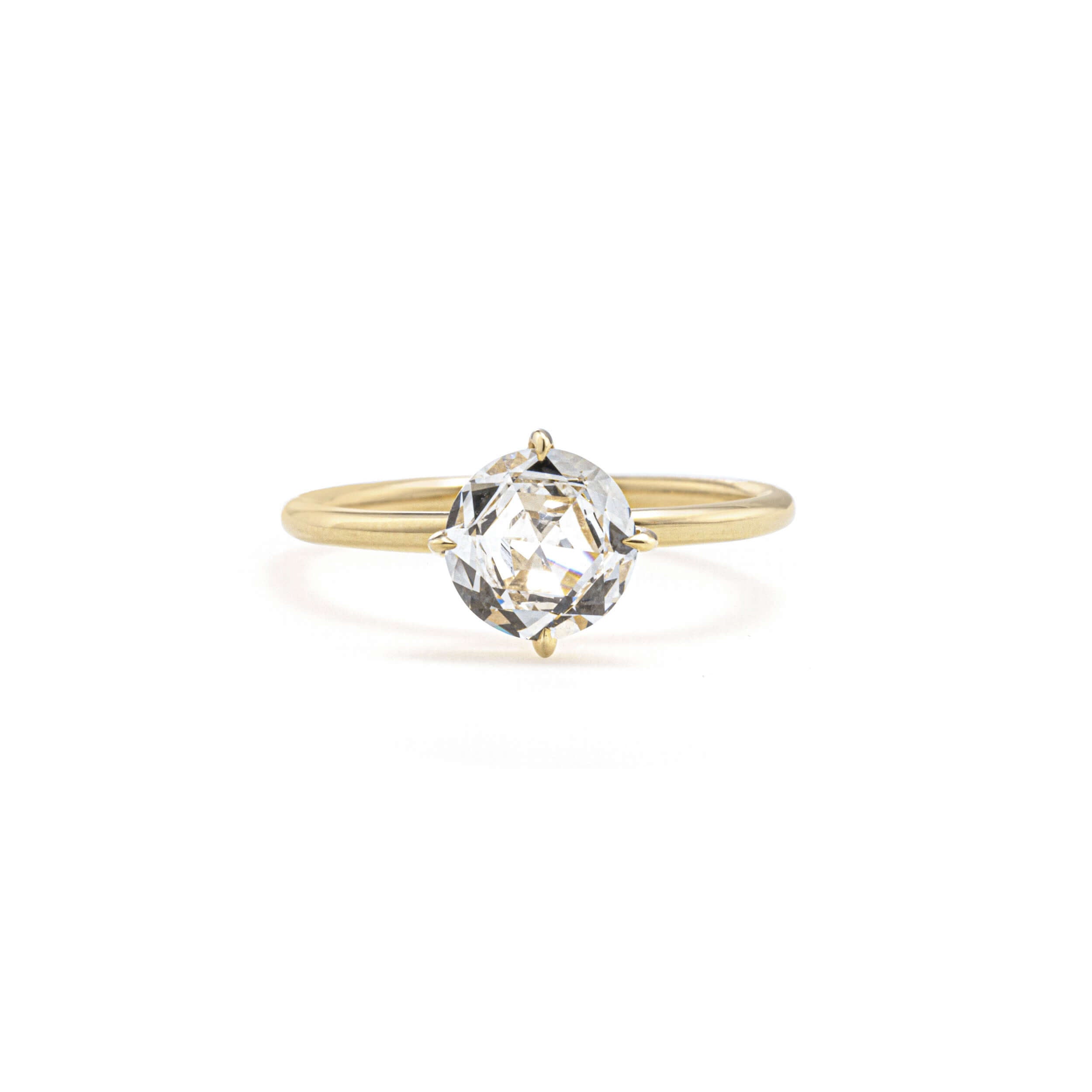
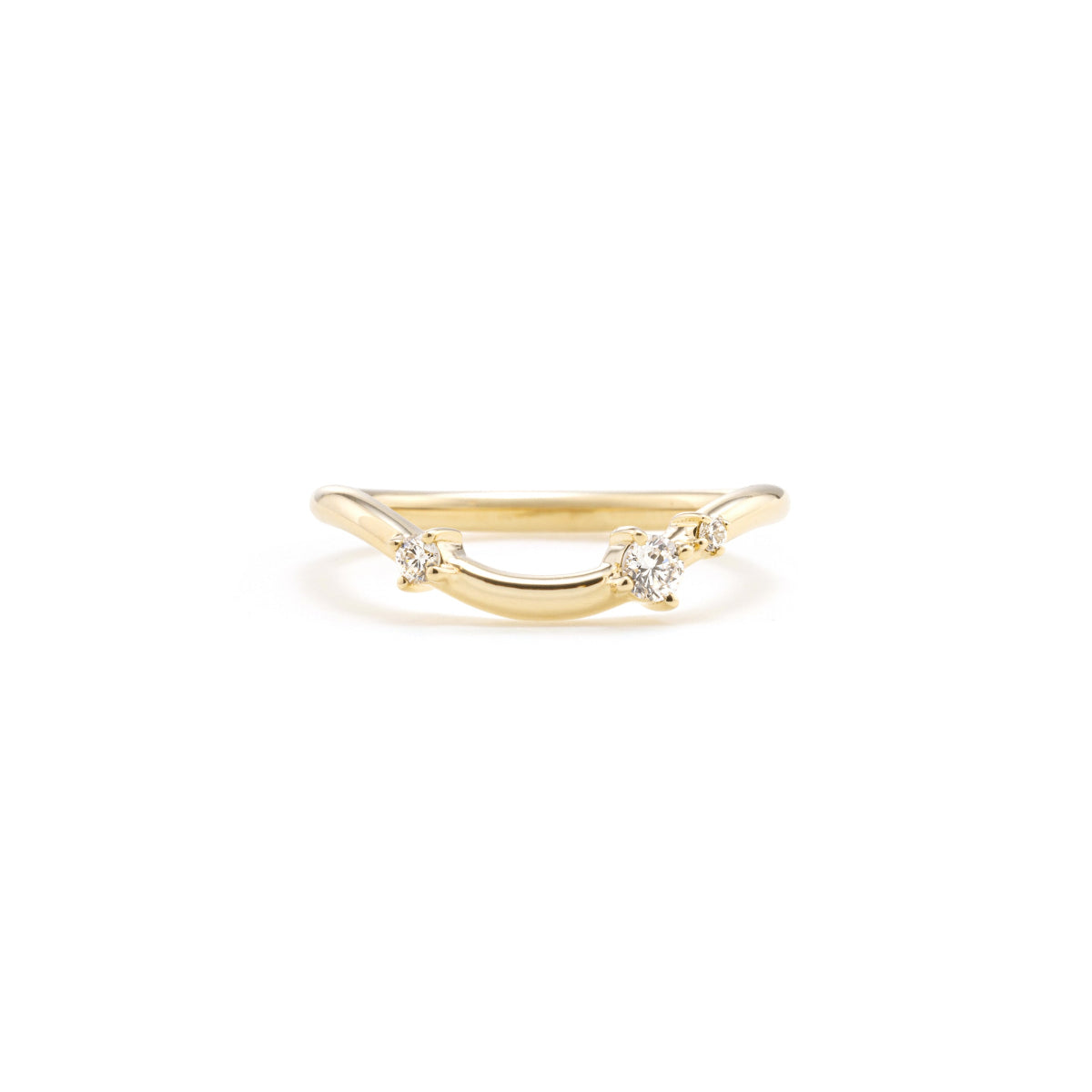
Bands with light engraving, milgrain edges, or subtle texture can add character without overwhelming a solitaire. This pairing feels slightly softer and more detailed while still keeping the center stone as the focal point. It works well if you like a classic look with a bit of personality.
 ELORA FINE JEWELRY ELORA FINE JEWELRY
Annika-Round Rose Cut Lab Grown Diamond RingFrom $1099.00
Shop annika Now
|
 ELORA FINE JEWELRY ELORA FINE JEWELRY
Maya-Round Cut Lab Grown Diamond RingFrom $499.00
Shop maya Now
|
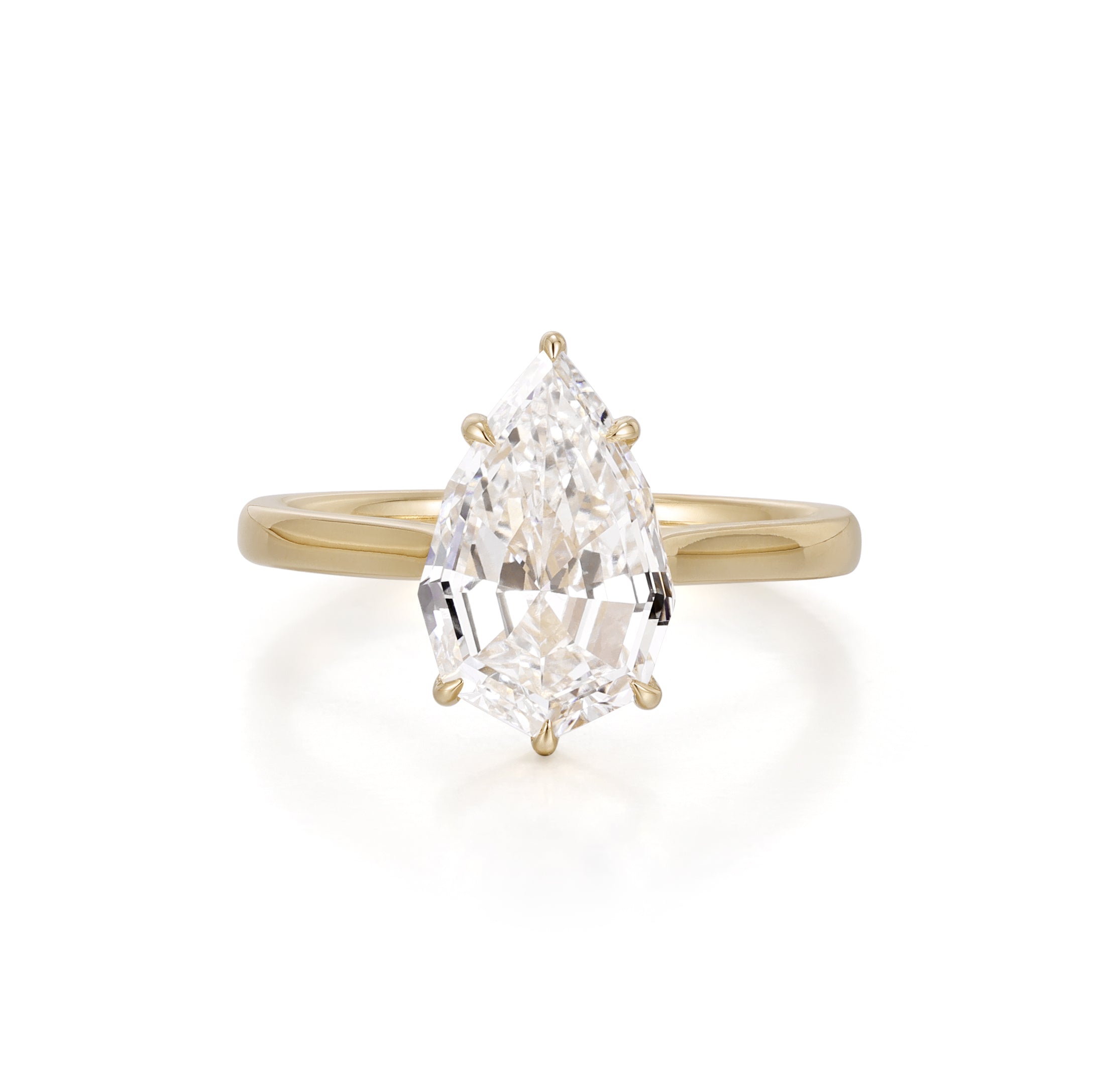
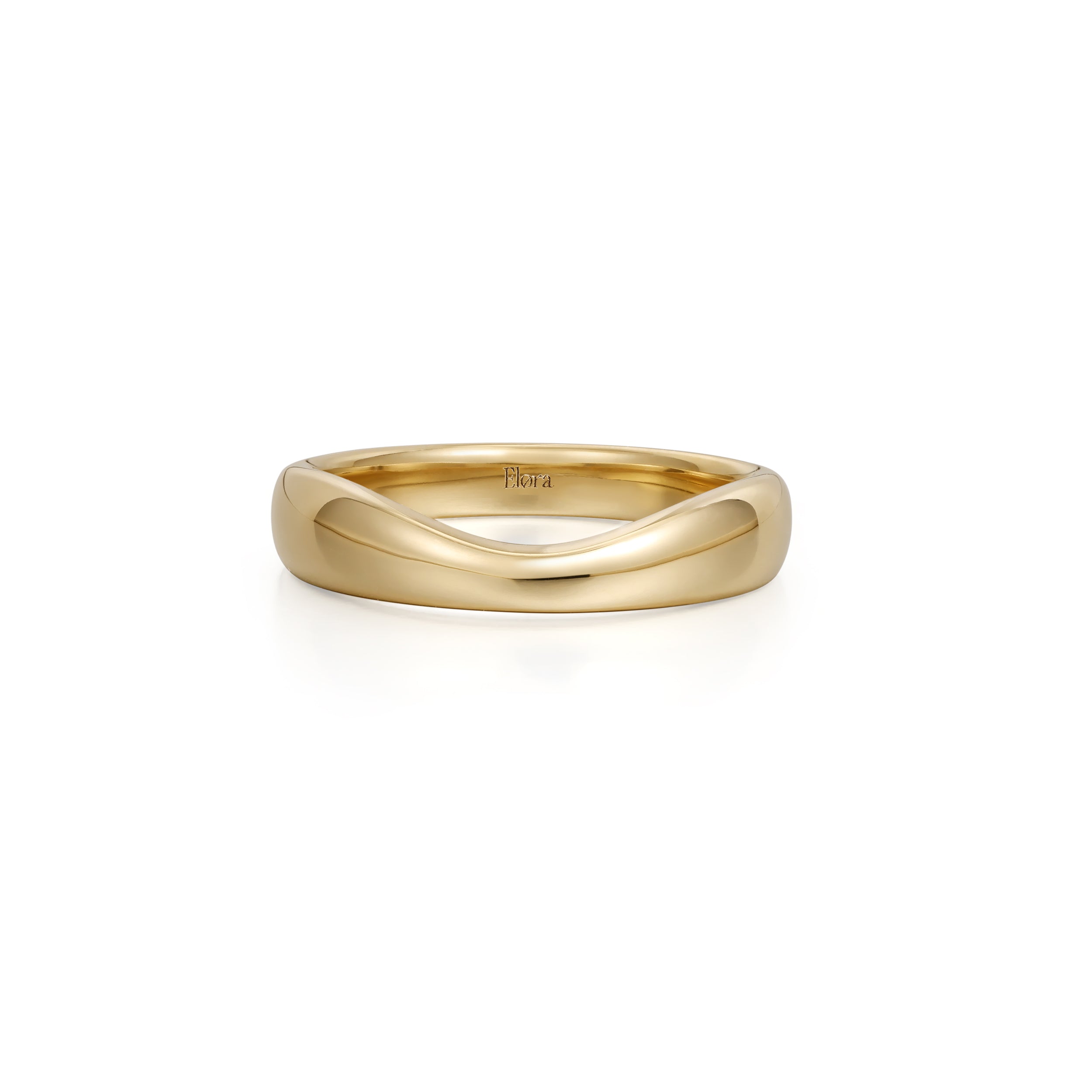
Bold Gold Band

A wider gold band creates a strong, sculptural pairing with a solitaire. Bands in the 4 to 5 mm range, often with a soft curve, add weight and contrast next to a single center stone. The thicker profile helps ground the diamond and gives the set a more modern, confident feel without adding extra sparkle. This combination works well for those who prefer clean lines and a more substantial look on the hand.
 ELORA FINE JEWELRY ELORA FINE JEWELRY
Georgia-Step Cut Pear Lab Grown Diamond Engagement Ring
From $1899.00 $1999.00
Shop georgia Now
|
 ELORA FINE JEWELRY ELORA FINE JEWELRY
Vera-Yellow Gold Curved Wedding BandFrom $999.00
Shop vera Now
|
How to Choose the Right Wedding Band for Your Solitaire

Start by looking at the height and structure of the solitaire setting. A higher setting usually allows a straight band to sit close to the engagement ring. A lower setting may need a curved band so the rings fit together more comfortably. Trying them on together is the best way to see how they interact.
Diamond shape also plays a role. Round solitaires tend to work with most band styles. Oval and other elongated shapes often pair well with slimmer bands that keep the look light. Pear and marquise diamonds can look especially balanced with bands that follow their outline.
Metal choice can match or contrast. Matching metals create a unified look. Mixing metals can feel more relaxed and flexible, especially if you plan to add another band later. Think about how the rings will feel day to day, not just how they look in photos.
Tips to Ensure a Good Fit
It helps to try on the engagement ring and wedding band together rather than choosing them separately. This makes it easier to check how they sit and how they feel after a few minutes of wear.
Some people prefer the rings to sit flush. Others like a small gap so each ring stands on its own. Both can look right when the proportions feel balanced.
Band width also matters. A very slim band can make the center stone stand out more. A slightly wider band can add weight and stability to the set. Looking at different combinations side by side can help you see what feels most natural.

Inspiration and Pairing Suggestions
The pairings shown throughout this guide highlight how a solitaire can shift depending on the band beside it. Even small changes in width or texture can make the set feel different on the hand.
A few common combinations include:
- Round solitaire with a slim pavé band for a light, sparkling look
- Oval solitaire with a plain band for a clean and elongated feel
- Pear solitaire with a curved band that follows the outline of the stone
- Marquise solitaire with a contour band for a more balanced silhouette
- Emerald solitaire with a open band
Many people also add bands over time. An anniversary band or eternity band can be stacked later, allowing the set to grow without replacing the original ring.
Final Thoughts
A solitaire engagement ring offers a strong starting point for many different wedding band styles. Some pairings feel simple and understated. Others feel more layered and expressive. There is no single combination that works for everyone.
The best pairing is one that feels balanced on the hand and comfortable for daily wear. When chosen with care, a solitaire and its bands can evolve naturally over time and continue to feel right as your style changes.


