Promise Ring vs Engagement Ring: What’s the Difference and When to Choose Each


At some point in a serious relationship, the question tends to surface quietly. Is it too early for an engagement ring, or is that step already on the horizon?
Many couples find themselves somewhere in between. They are committed. They see a future together. But they may not be ready to plan a wedding just yet. This is where the difference between a promise ring and an engagement ring becomes meaningful. While both symbolize commitment, they do not carry the same timing, expectations, or level of formality.
Understanding what each ring represents today can help make the decision feel intentional rather than rushed. The goal is not to follow a rule, but to choose a gesture that reflects where the relationship truly stands.

What Is a Promise Ring?
A promise ring usually marks a stage in a relationship rather than a final destination. It reflects a shared understanding that the relationship is serious, exclusive, and moving forward, even if an engagement is not happening yet.
For many couples, it sits somewhere between dating and engagement. It may be given to mark an anniversary, the end of a long distance period, or simply a moment when both partners feel certain about the future but are not ready to plan a wedding. In that sense, a promise ring can act as a quiet step toward engagement. It signals intention without setting a timeline.
Because of this, promise rings are no longer tied to any particular age or stage. Some couples give them early in a relationship. Others exchange them after years together when they know they are committed but want more time before taking the next step. The meaning comes from clarity between partners, not from tradition alone.
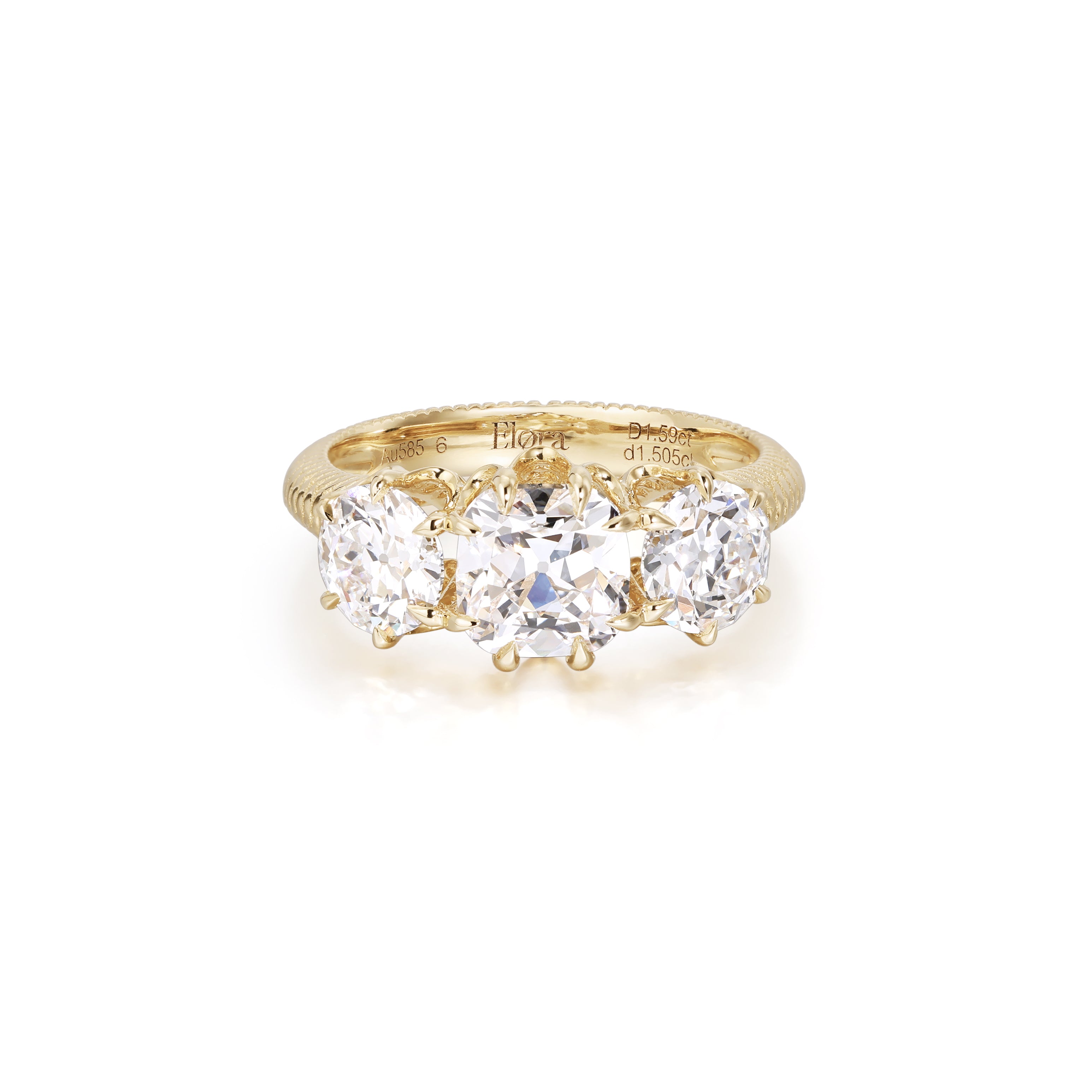
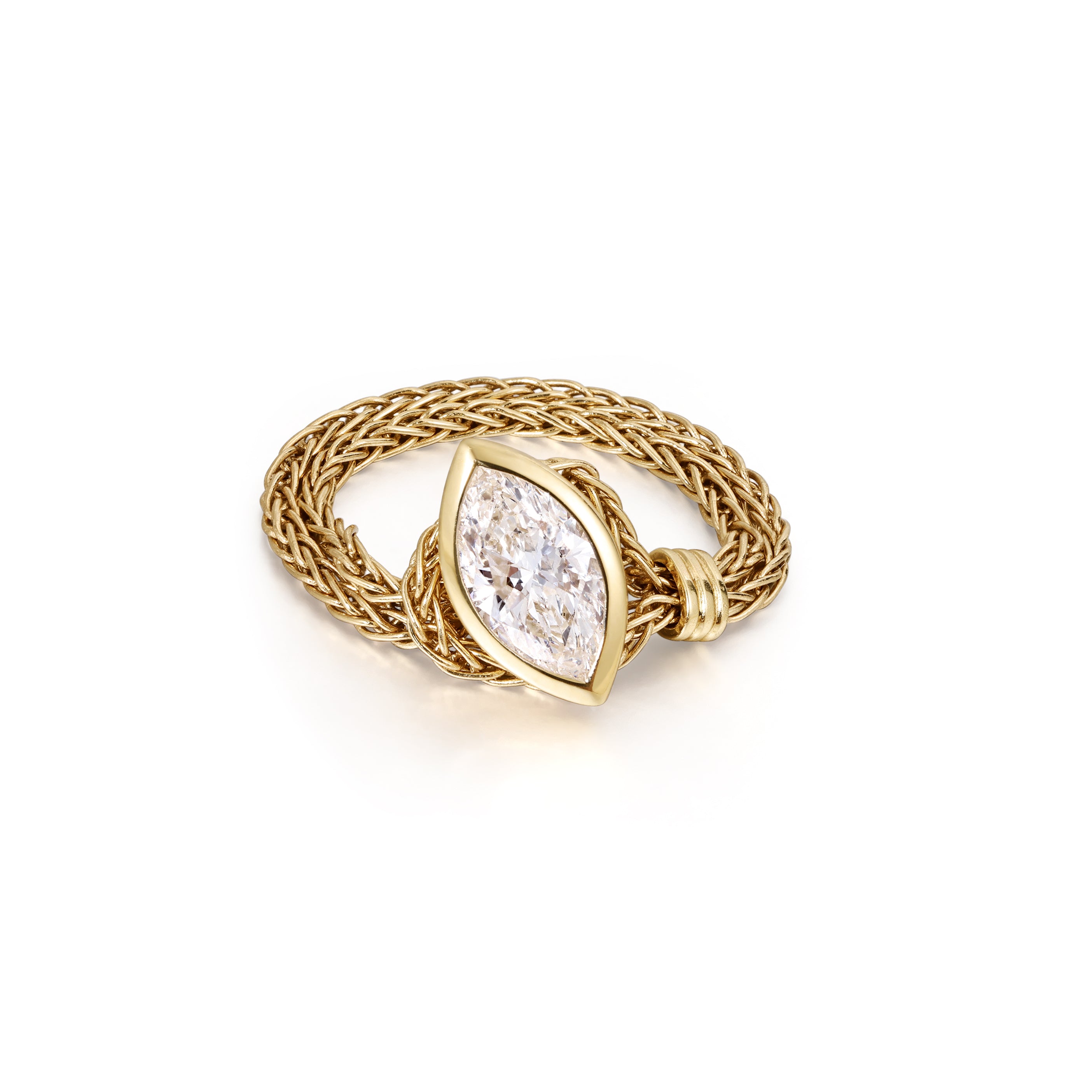
Designs are typically more understated than engagement rings. Many feature a slim band, a small diamond, or a simple symbolic detail. The emphasis is on what the ring represents rather than how prominent it appears.
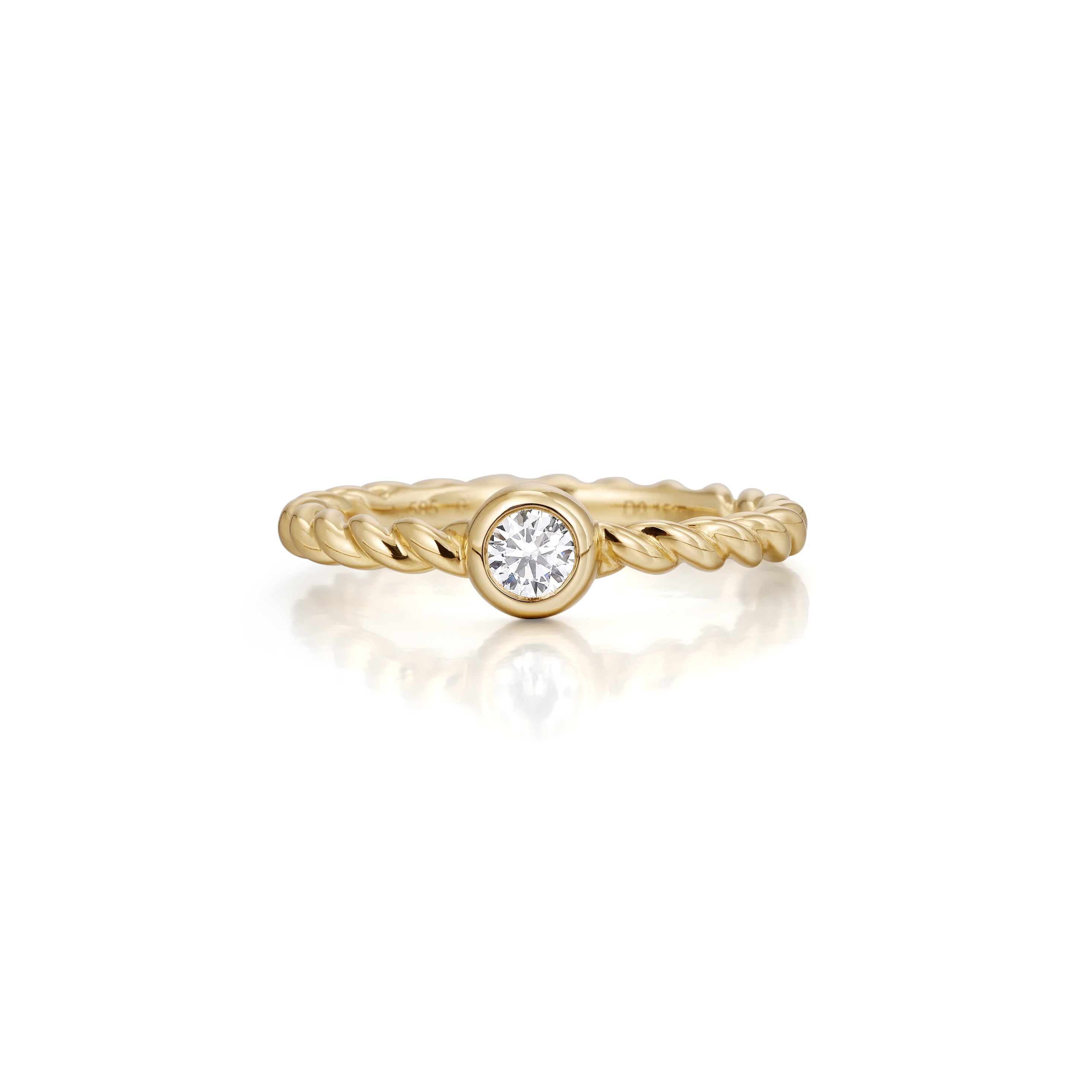

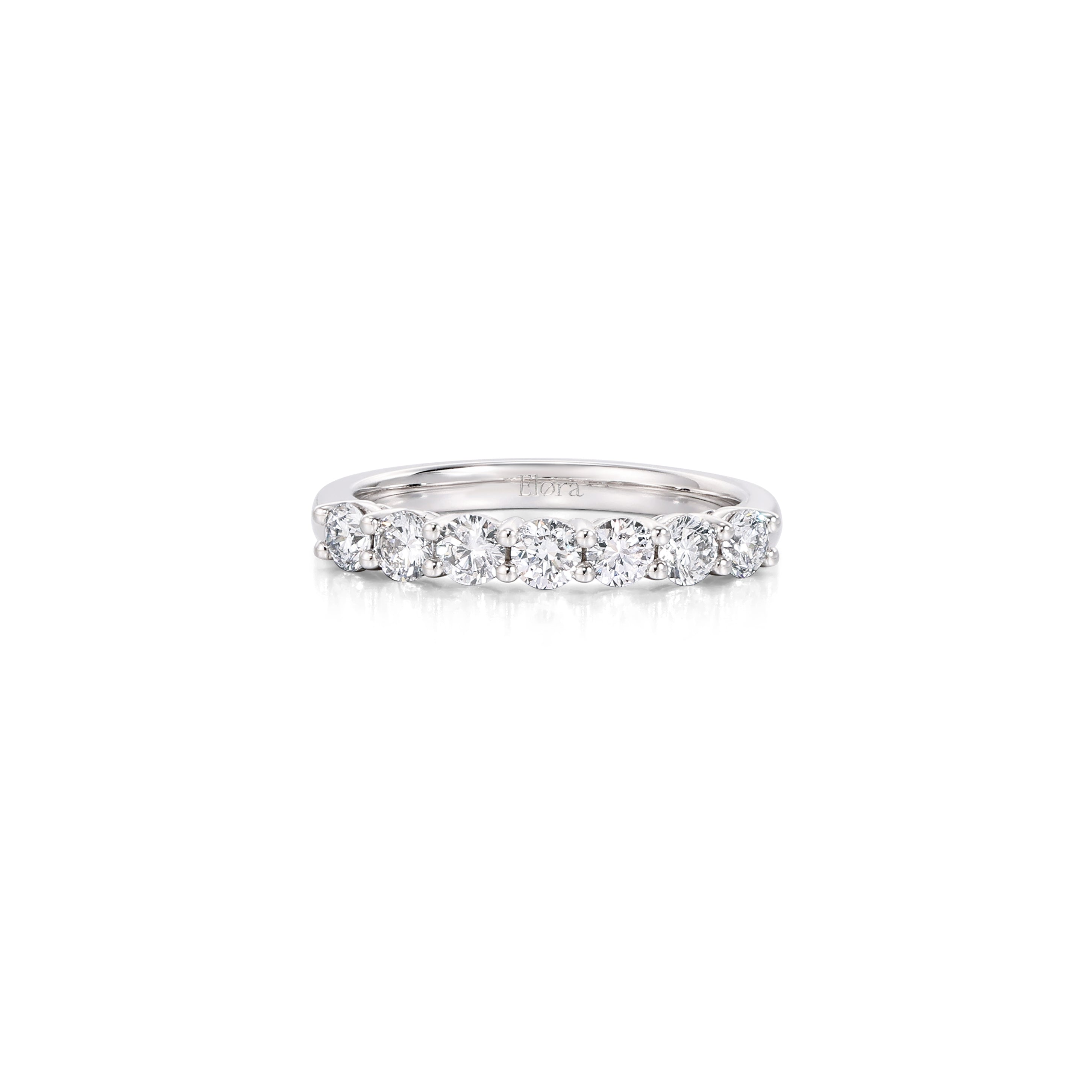
What Is an Engagement Ring?

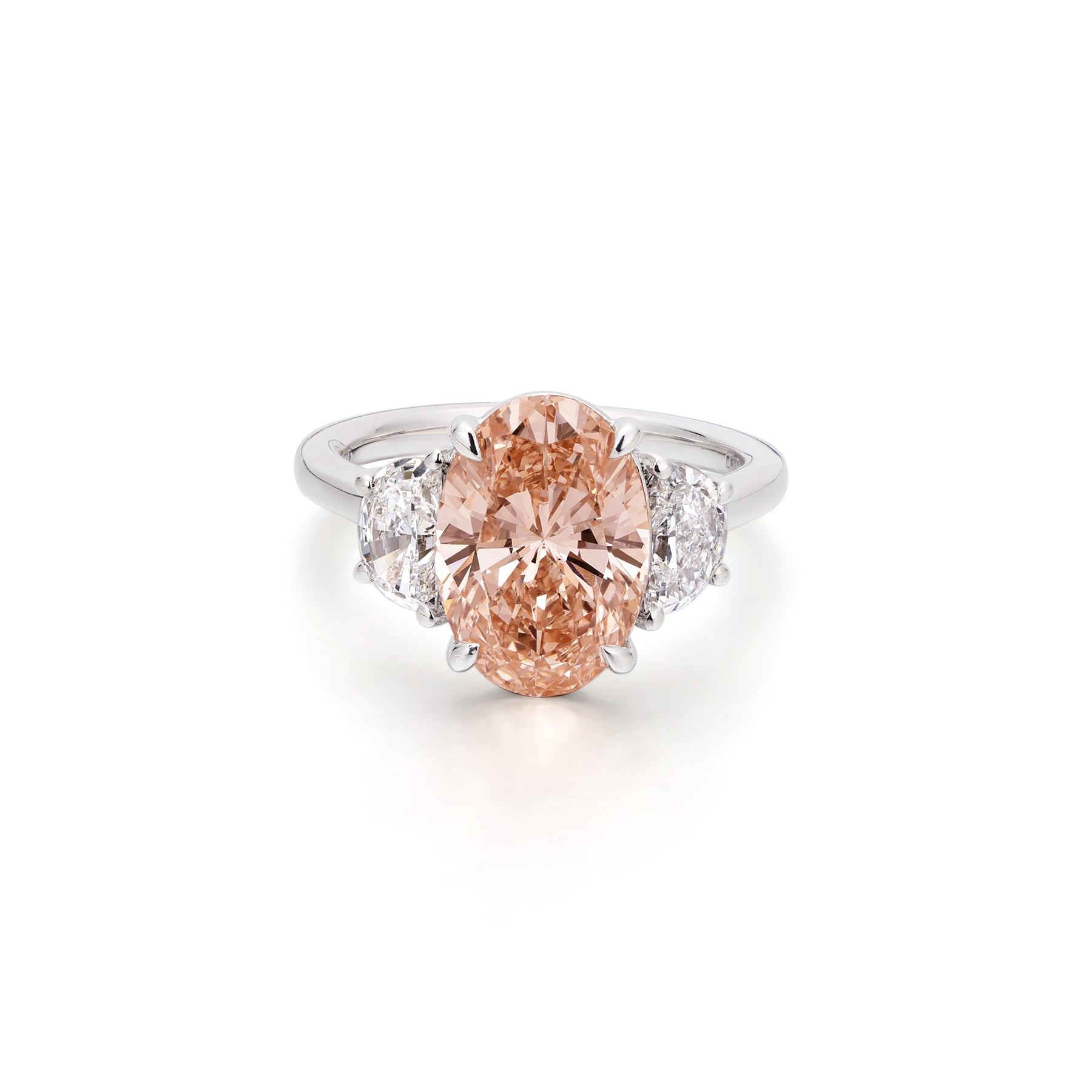
An engagement ring signals a clear step toward marriage. It is usually given during a proposal and marks the moment when a couple decides to move from a committed relationship into planning a shared future. While styles vary, most engagement rings still feature a center stone that makes the ring immediately recognizable.
Unlike a promise ring, an engagement ring carries a more public meaning. It tells family and friends that the relationship has entered a new stage and that marriage is part of the plan. Because of this, engagement rings often hold greater emotional and financial weight, even though expectations around them have become more flexible over time.
Today, the process of choosing an engagement ring looks different than it once did. Many couples shop for the ring together, and it is increasingly common for both partners to be involved in the design or selection. Lab grown diamonds have also made engagement rings more accessible, allowing couples to prioritize quality and design without feeling bound by older pricing traditions.
Some even start with a simpler ring and upgrade later, or stack it with other meaningful pieces over time. Even as the process evolves, the meaning behind the ring stays consistent. An engagement ring marks readiness for marriage rather than simply hope for the future.

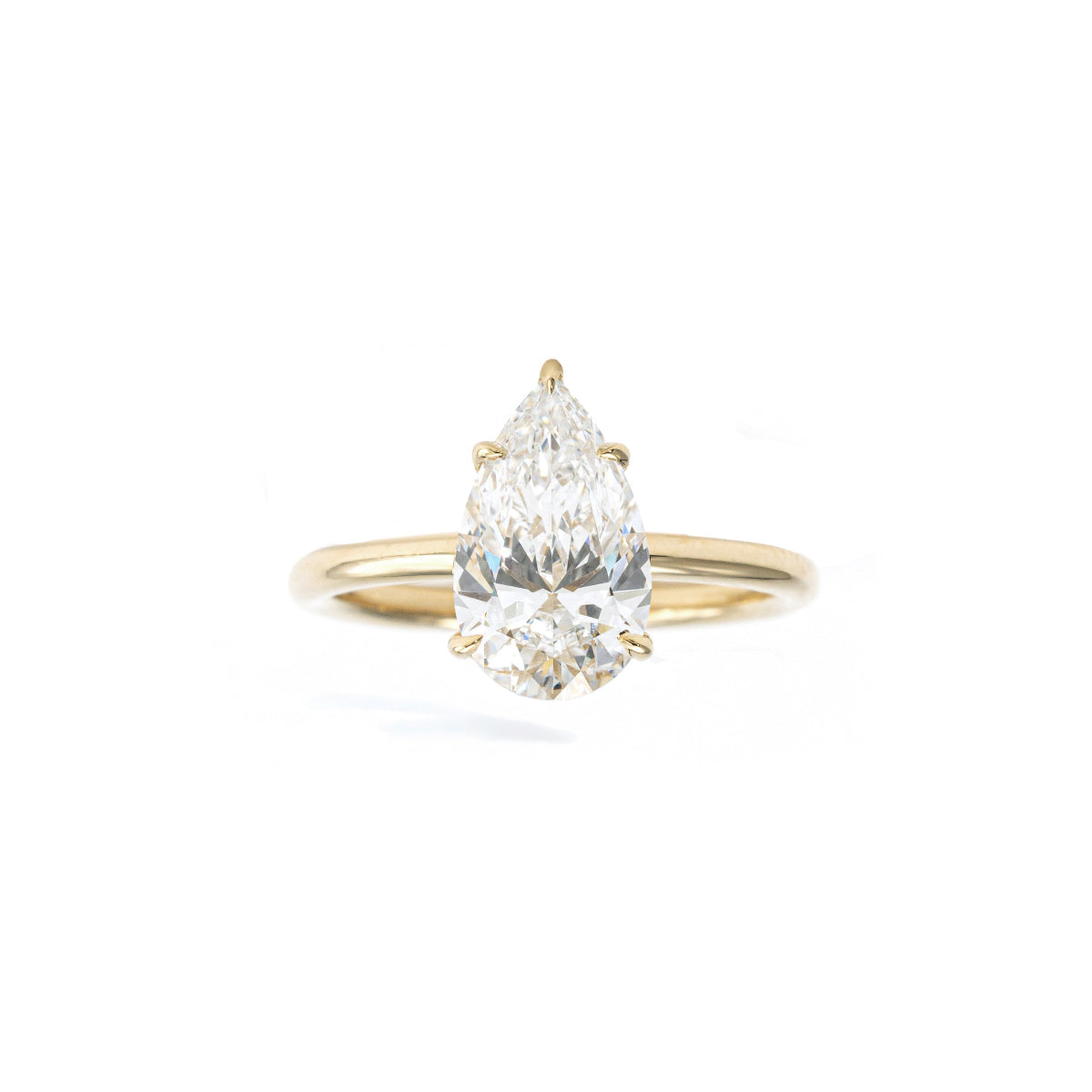
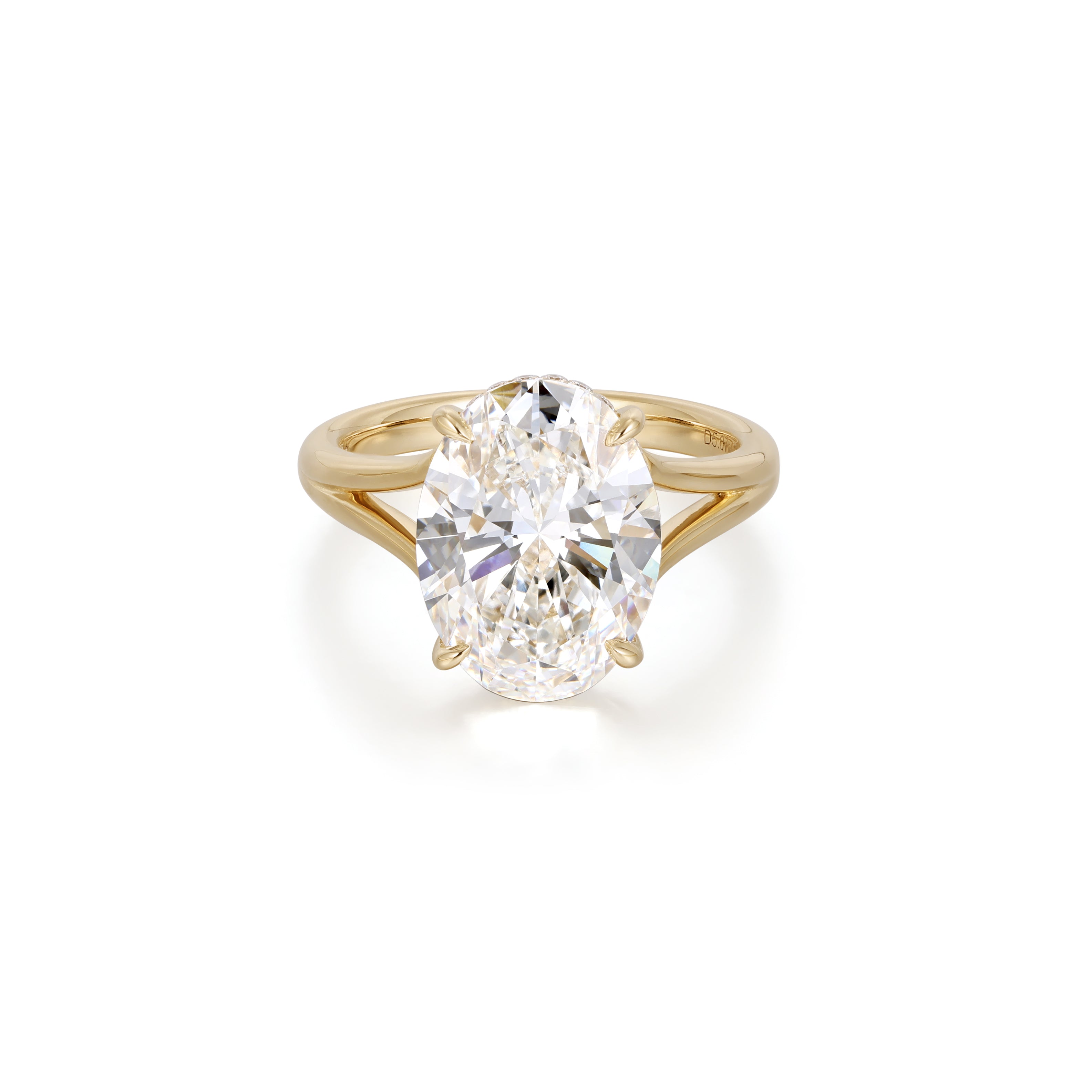
Key Differences Between a Promise Ring and an Engagement Ring
While promise rings and engagement rings are often compared, they do not represent the same moment in a relationship. The difference is less about how the rings look and more about what they signal. One reflects commitment to the relationship as it stands today. The other reflects readiness for marriage.
A promise ring is usually given when a couple feels certain about the future but is not yet planning a wedding. An engagement ring comes later, when both partners are prepared to move forward with that decision. The designs often follow the same logic. Promise rings tend to be more understated, while engagement rings are typically more prominent and traditionally centered around a main stone.
There are no strict rules for either. Some couples choose diamond promise rings. Others design engagement rings together or upgrade over time. What matters most is choosing a ring that matches the stage of the relationship and the intention behind it.
The comparison below highlights how the two are generally understood today.
| Promise Ring vs Engagement Ring: Key Differences | ||
| Aspect | Promise Ring | Engagement Ring |
| Meaning | Reflects commitment to the relationship and a shared future, without a set timeline for marriage. | Signals a clear intention to marry and marks the start of wedding planning. |
| Timing | Often given when a relationship becomes serious but before a couple is ready to get engaged. | Given when both partners feel ready to move toward marriage. |
| Public vs Private | Usually more personal and private. It may or may not be formally announced. | More public in nature and often shared with family and friends after a proposal. |
| Design | Typically understated. May feature a simple band, small diamond, or symbolic detail. | Usually more prominent and often includes a center stone, though styles vary today. |
| Budget | Often more modest, with focus on symbolism rather than scale. | Often a larger investment, though spending expectations vary widely today. |
| Flexibility | May later be stacked, reset, or replaced by an engagement ring. | Can be upgraded, stacked with a wedding band, or redesigned over time. |
When to Choose a Promise Ring vs an Engagement Ring?
n most cases, the choice comes down to timing rather than tradition. Both can carry real meaning, but they tend to make sense at different stages.
A promise ring often feels right when a relationship is serious and forward-looking, but not yet at the point of planning a wedding. This might be due to career timing, distance, or simply wanting more time before taking the next step. In many cases, it reflects certainty about the relationship without the urgency of a proposal.
An engagement ring becomes the natural choice when both partners feel ready to move toward marriage and begin talking about it in practical terms. It is less about how long a couple has been together and more about whether they share the same expectations for what comes next.
Some couples give a promise ring knowing that an engagement will follow later. Others see it as a meaningful marker of commitment in its own right. There is no single timeline that applies to everyone.
What matters most is clarity between partners and choosing a gesture that feels genuine to the stage you are in.

How to Wear Them
There are no strict rules for where a promise ring should be worn. Some people choose the left hand ring finger, while others prefer the right hand or even a necklace. The placement often depends on personal preference and what feels most natural at the time.
If a couple later becomes engaged, the promise ring can be moved to another finger or worn alongside the engagement ring. Some choose to stack the rings as a way to reflect how the relationship has evolved, while others keep them separate. Either approach feels intentional when the meaning behind the ring is clear.
An engagement ring is traditionally worn on the left hand ring finger. After the wedding, it is usually paired with a wedding band and worn together as a set. Today, many couples also stack additional rings over time, allowing each piece to represent a different stage in their relationship.
Budget Considerations
The cost of a ring often reflects where a couple is in their relationship, but it doesn’t define its meaning. Promise rings are typically more modest in scale, though they can still be thoughtfully made and chosen with care. Engagement rings tend to involve a larger investment, simply because they mark a more definitive step toward marriage.
There is no universal rule for how much either ring should cost. The long-standing idea of spending a fixed portion of income on an engagement ring feels less relevant today. Many couples choose rings that align with their priorities, whether that means focusing on design, craftsmanship, or long-term wearability.
Lab grown diamonds have also expanded the range of options for both promise rings and engagement rings. They make it easier to find high color and clarity while staying within a comfortable budget. For some couples, this flexibility allows them to choose a meaningful ring now and upgrade or add to it later as their relationship evolves.
Final Thoughts
Both promise rings and engagement rings carry real meaning. The difference is simply where they fall in the timeline of a relationship. One reflects commitment to the present. The other marks readiness for what comes next.
What matters most is choosing a ring that feels honest to your relationship and your timing. When that intention is clear, either ring can become something lasting.
FAQs
Q Can a promise ring become an engagement ring?
Yes. Some couples choose a design that can later serve as an engagement ring, or they continue wearing it alongside one after getting engaged.
Q Which finger should a promise ring be worn on?
There are no strict rules. Some wear it on the left hand ring finger, while others prefer the right hand or a necklace until engagement.
Q Is a promise ring only for young couples?
Not at all. Many adults exchange promise rings when they feel committed but are not yet ready to plan a wedding.
Q Should a promise ring have a diamond?
It can, but it does not have to. Some couples choose diamond promise rings, while others prefer simple bands, birthstones, or more understated designs.
Q Do you have to propose with a diamond engagement ring?
No. While diamonds remain the most traditional choice, many couples now choose sapphires, other gemstones, or alternative diamond shapes. The most important factor is that the ring reflects the relationship and feels meaningful to both partners.
Q Should you choose an engagement ring together or keep it a surprise?
Both approaches are common. Some people prefer the surprise of a proposal, while others shop together to ensure the ring suits their style and lifestyle. Many couples do a mix of both by discussing preferences in advance and leaving the final choice as a surprise.


