What Is Milgrain in Jewelry? How It Enhances Ring Design?


You may have seen milgrain details on jewelry before but never really thought about what they’re called. It usually shows up as a row of tiny bead-like edges along a ring or setting.
It’s a small detail. Easy to overlook at first. But once you notice it, it changes how the piece feels.
Adding milgrain detail to an engagement ring doesn’t completely change the design. Instead, it softens the edges and gives the ring a more finished look. That’s why it often appears in vintage-inspired styles.
You can see this detail in designs like the Aurelia Emerald Cut Ring or the Eddy Old Mine Cut Ring, where the edges feel more defined but not overly sharp.
If you're exploring milgrain styles, it helps to understand how this detail works and why it’s used.
What Is Milgrain in Jewelry?
Milgrain comes from the French term “mille-grain,” meaning “a thousand grains.” The name refers to the tiny bead-like texture you see along the edges of a piece.
In practice, it’s a very fine decorative detail. Small metal beads are applied along borders or surfaces to create a slightly textured edge.
You’ll often see milgrain in antique and vintage-style jewelry. Historically, it was done by hand, so each piece had slight variations. Today, the look remains, even though the process is more precise.
What hasn’t changed is the effect. It softens metal edges, adds definition, and makes a design feel more complete.
Milgrain is commonly used in vintage engagement rings and milgrain diamond jewelry where subtle detail matters more than bold decoration.
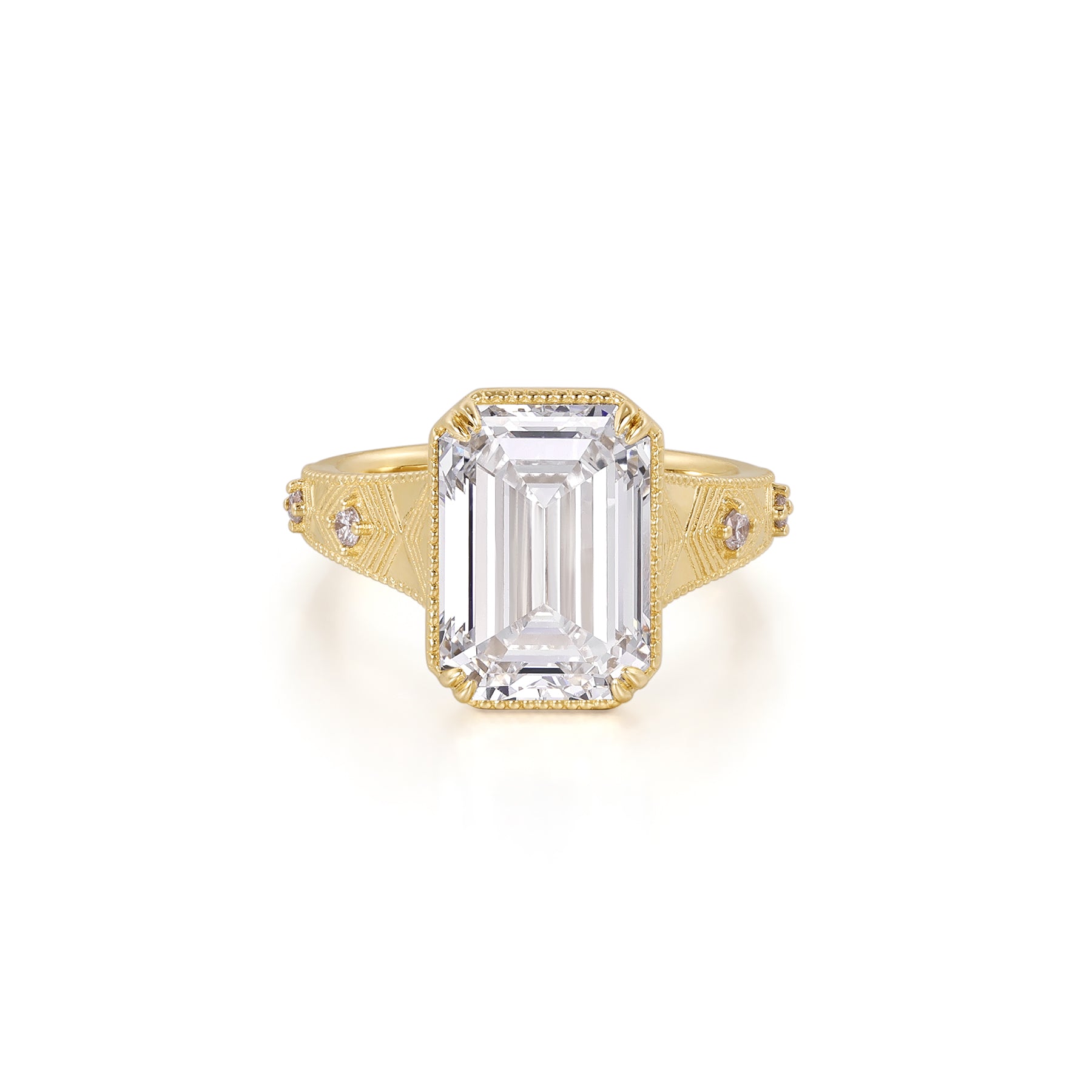
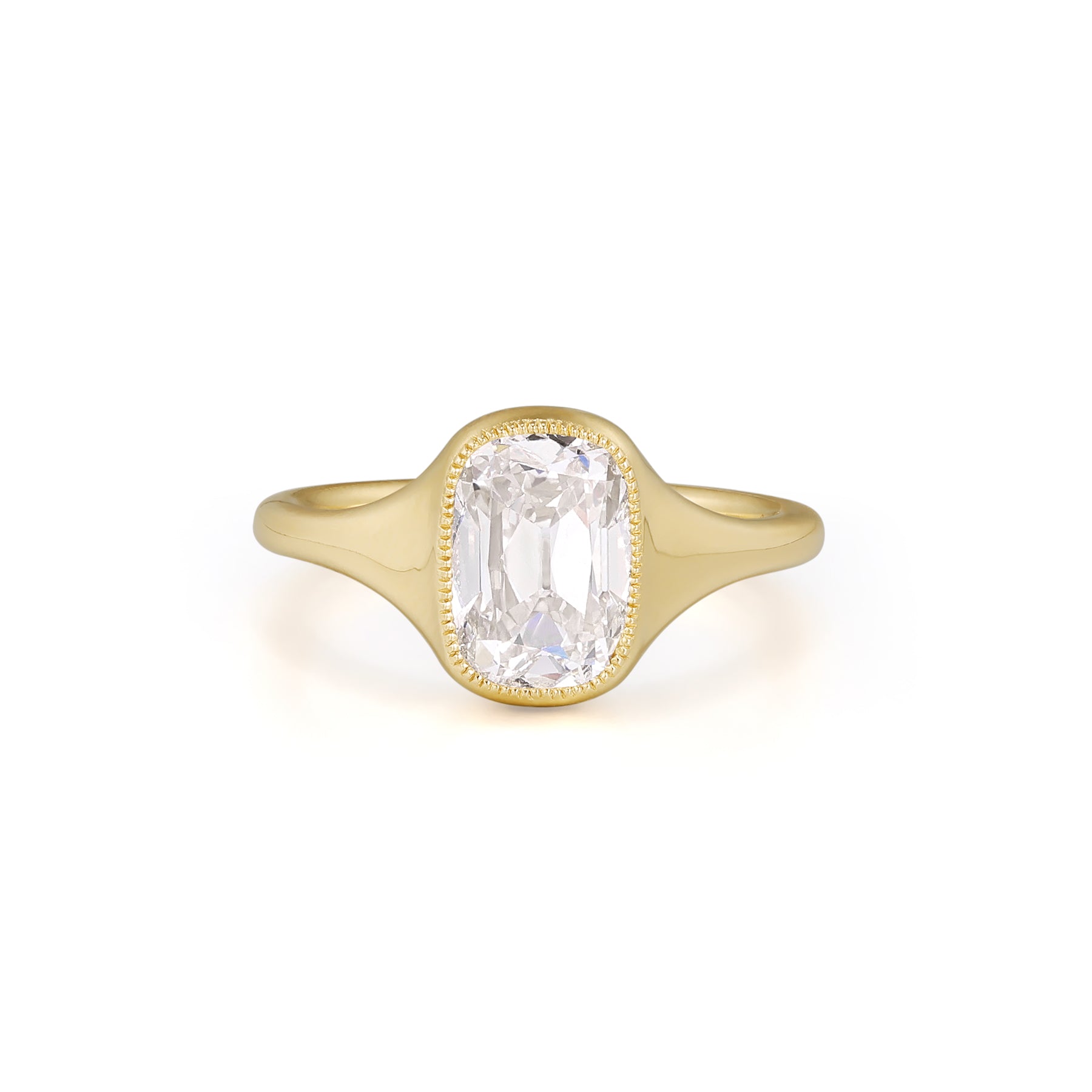
How Milgrain Enhances the Beauty of a Ring
Adding Depth to Design Details
A smooth band can sometimes feel a bit flat, especially in minimal settings.
Milgrain changes that. The tiny beads catch light differently, creating a soft contrast across the surface. Not dramatic, but noticeable once you see it.
This is why milgrain is often used in lab-grown diamond rings that focus on clean structure but still need a bit of texture.
Acting as a Frame
Milgrain can work almost like a soft outline around the stone.
You’ll notice this more with step-cut shapes like emerald or antique cuts. The beaded edge helps define the stone without making the setting feel too sharp.

Balancing Modern and Vintage Elements
Milgrain sits somewhere between modern and vintage.
On one hand, it pairs well with antique cuts and traditional designs. On the other, it’s often added to modern rings to soften clean lines.
This balance is what makes milgrain appealing. It adds character without making the ring feel overly ornate.
A Subtle Symbolic Detail
Some people are drawn to milgrain for its meaning as much as its look.
The tiny, continuous beads can be seen as a reflection of detail, consistency, and time. It’s not an obvious symbol, but it adds a quiet layer of significance to the design.
Application of Milgrain in Jewelry Design
1. Engagement and Wedding Rings
Milgrain is most commonly seen in engagement rings and wedding bands. It can be placed around the center stone, along the band, or even in hidden details.
It’s often paired with filigree or engraving to create more intricate designs. In modern rings, it may also appear in pavé settings or hidden halos.
If you're browsing milgrain engagement rings or vintage-inspired settings, you’ll start to notice how often this detail appears.
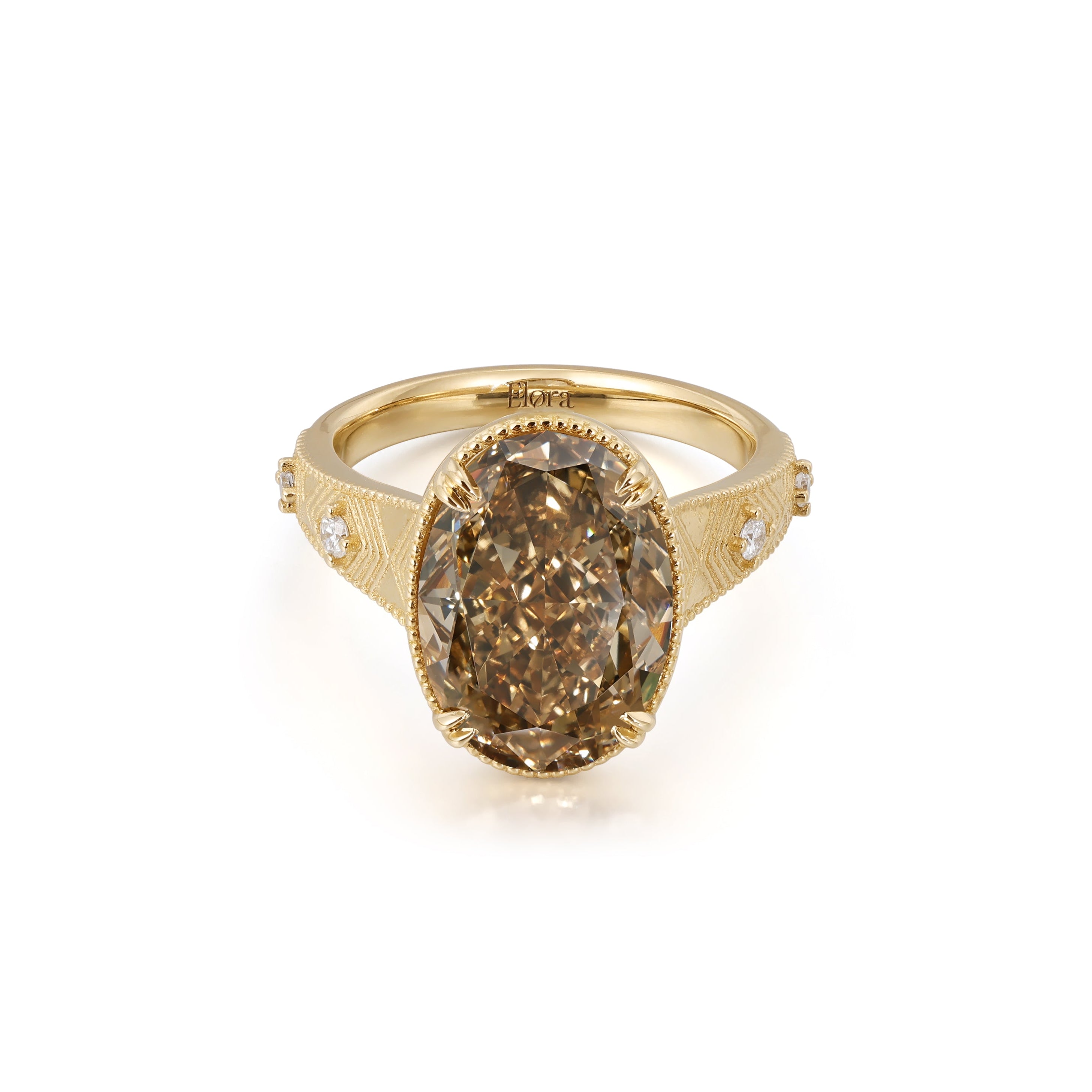
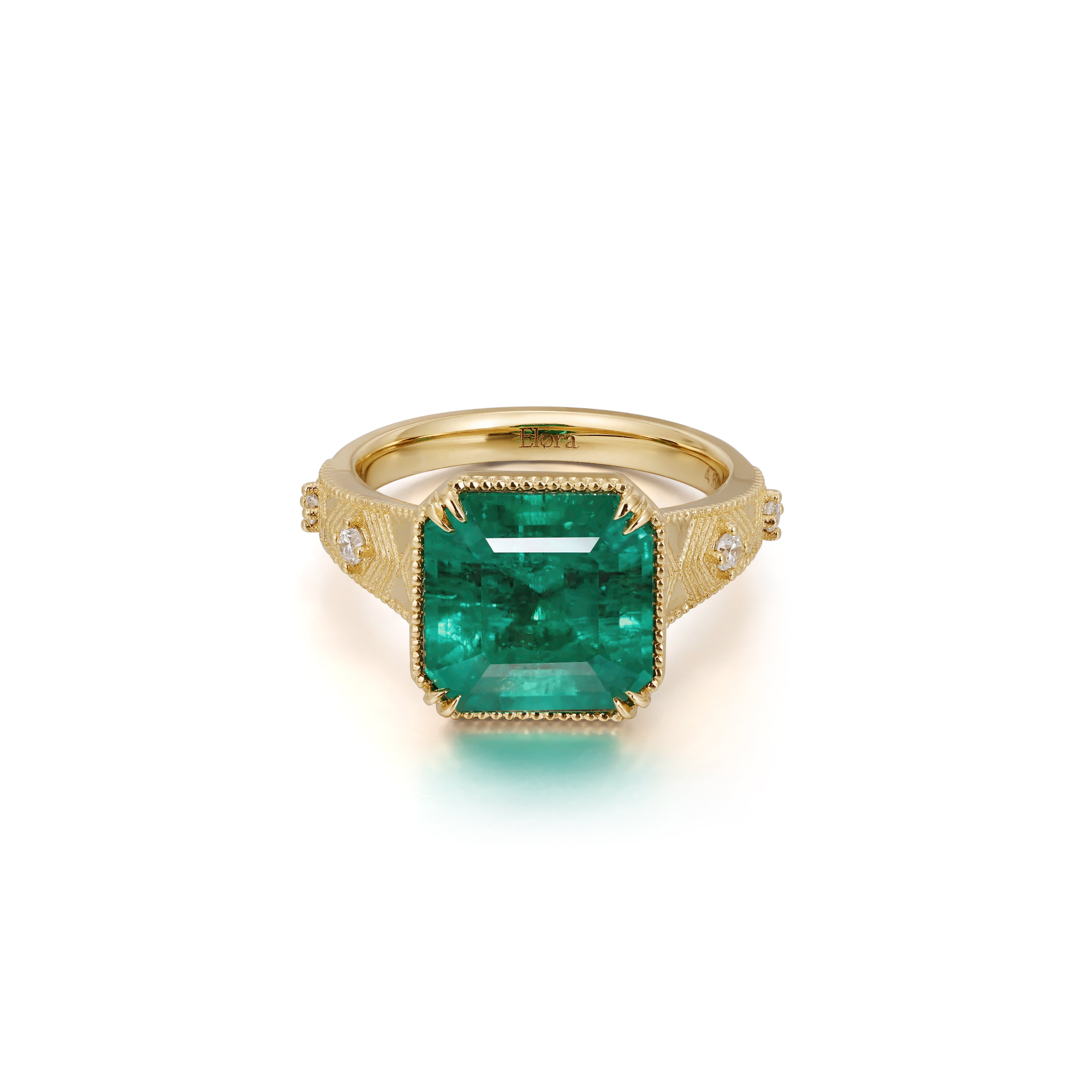
2. Earrings, Pendants, and More
Milgrain isn’t limited to rings.
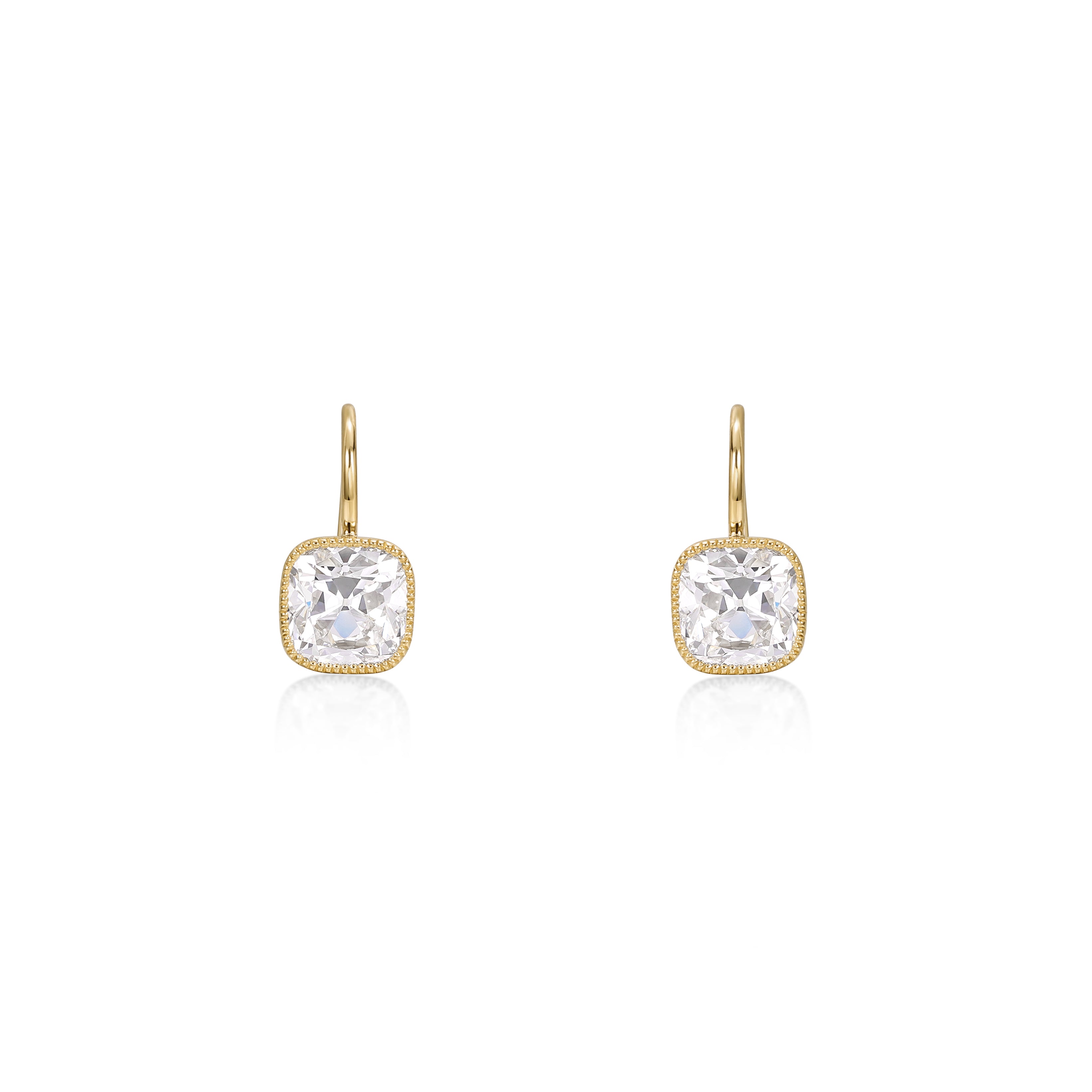
It’s also used in earrings, pendants, and bracelets to define edges and add texture. Across different jewelry types, the effect stays consistent. It adds detail without overwhelming the design.
 ELORA FINE JEWELRY ELORA FINE JEWELRY
Old Mine Cushion Cut Diamond Drop EarringsFrom $2699.00
Shop Earrings Now
|
 ELORA FINE JEWELRY ELORA FINE JEWELRY
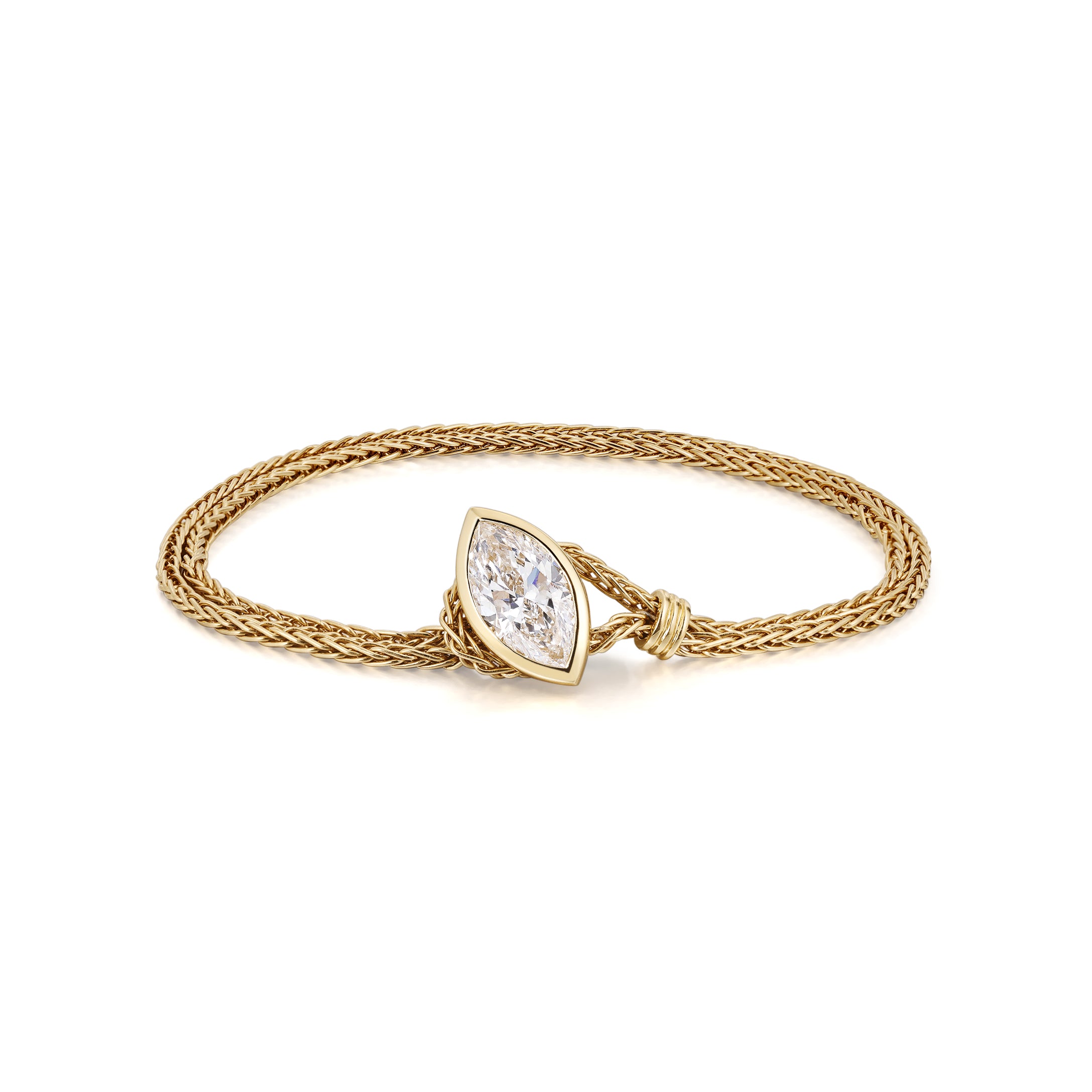
Faith-Marquise Cut Lab Grown Diamond BraceletFrom $3199.00
Shop Faith Now
|
How to Choose Milgrain Details
If you're considering milgrain in a ring, a few factors can help guide your choice:
Style Compatibility
Milgrain works across different styles, from solitaire rings to more detailed vintage designs. It’s especially effective if you want something simple with a bit more texture.
Metal Choice
White gold and platinum tend to highlight milgrain more clearly, giving it a cleaner look. Yellow and rose gold bring out a warmer, more vintage feel.
Stone Shape
Milgrain pairs especially well with shapes that have defined edges, like emerald, cushion, or oval cuts. It helps outline the stone without making the setting feel heavy.
If you’re looking for something more specific, milgrain can also be incorporated through our custom jewelry design service, allowing you to adjust the level of detail, stone shape, and overall style.

Does Milgrain Increase the Price of a Ring?
There’s a common assumption that milgrain adds significant cost.
In most cases, it doesn’t.
The main factors that affect price are still the diamond and the metal. Milgrain is a relatively small design detail, so it usually doesn’t change the overall cost in a noticeable way.
How to Care for Milgrain Jewelry
Because milgrain consists of very fine details, it may collect dust more easily over time.
Regular cleaning helps. Warm water, mild soap, and a soft brush are usually enough. If you’re unsure about proper care, you can also follow our jewelry care guide for more detailed instructions.
With everyday wear, the edges may gradually soften. That’s normal. If needed, a jeweler can refresh the detail over time.
FAQs
Q Is milgrain suitable for all metals and diamond shapes?
Yes. Milgrain can be applied to most metals, including white gold, yellow gold, rose gold, and platinum. It works well with a wide range of diamond shapes.
Q Why is milgrain associated with vintage jewelry?
It was widely used during the Edwardian and Art Deco periods, when fine detailing was a key part of jewelry design.
Q Is milgrain handmade?
Traditionally, yes. Today, both hand-applied and precision techniques are used depending on the design.
Q Why choose milgrain for an engagement ring?
It adds subtle detail and texture, making the ring feel more refined without being overly decorative.
Q Is milgrain durable?
Yes. It’s suitable for everyday wear, though like any fine detail, it benefits from occasional cleaning and care.
Q Milgrain vs filigree — what’s the difference?
Milgrain refers to small beaded edges, while filigree involves more intricate, lace-like metalwork.


