Collection: Champagne Diamond Engagement Ring
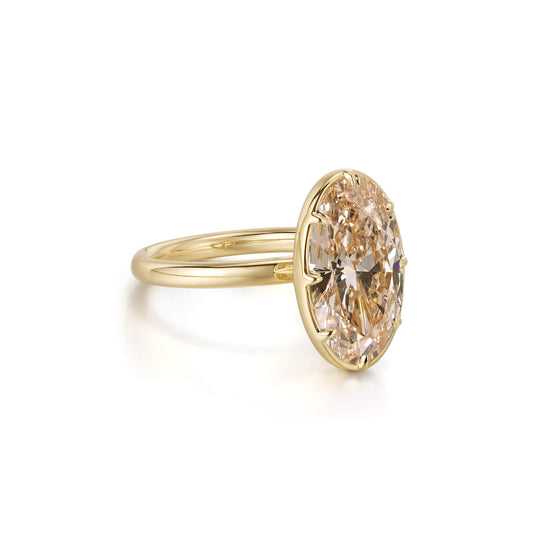
Champagne diamonds offer a warm and sophisticated alternative to traditional colorless stones. These gems possess a natural earthy elegance with tones ranging from light straw to deep cognac. This warm palette creates a soft monochromatic look when paired with yellow gold or a striking contemporary contrast against white metal. Each lab grown champagne diamond carries a unique personality that reflects light with a golden glow reminiscent of the golden hour.
We prioritize stones with exceptional clarity and saturation to ensure the color remains vibrant from every angle. Our collection celebrates these rare hues through architectural designs that amplify their natural warmth. Whether you seek a subtle honey tone or a rich bronze saturation our champagne diamonds provide a distinctive and grounded aesthetic for a modern engagement. Explore a collection built on tonal harmony and individual expression.

-
Vendor:Elora Fine Jewelry
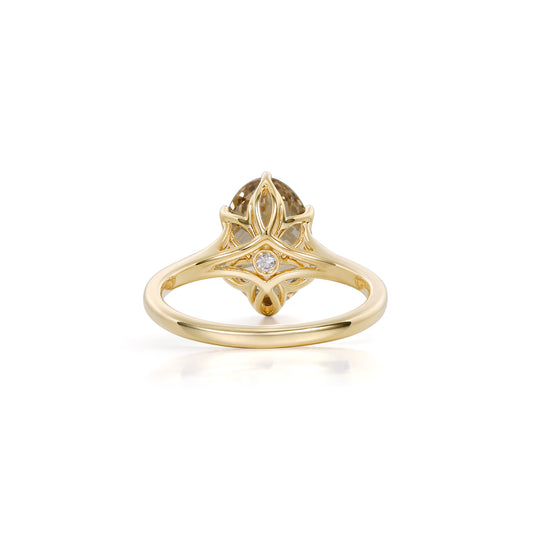
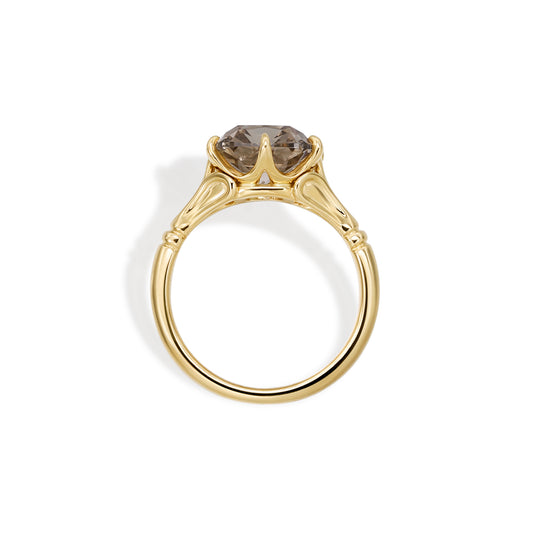
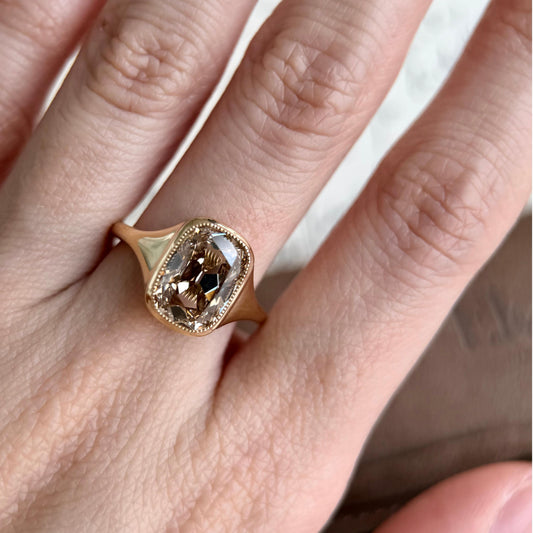
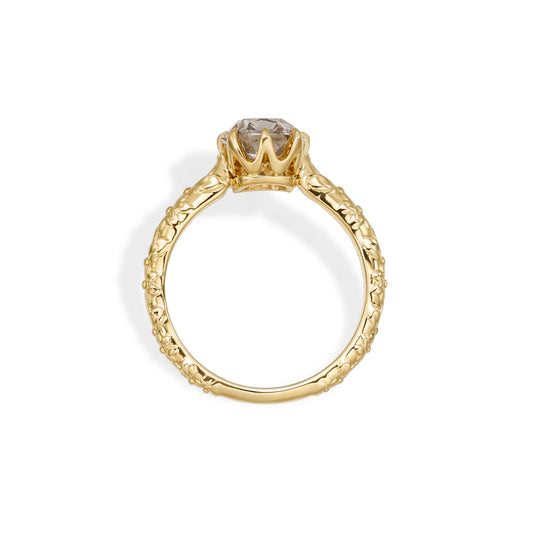
Farro-Champagne Old Mine Oval Lab Grown Diamond Ring
Regular price $2,899.00$2,899.00 Regular priceUnit price per -
Vendor:Elora Fine Jewelry
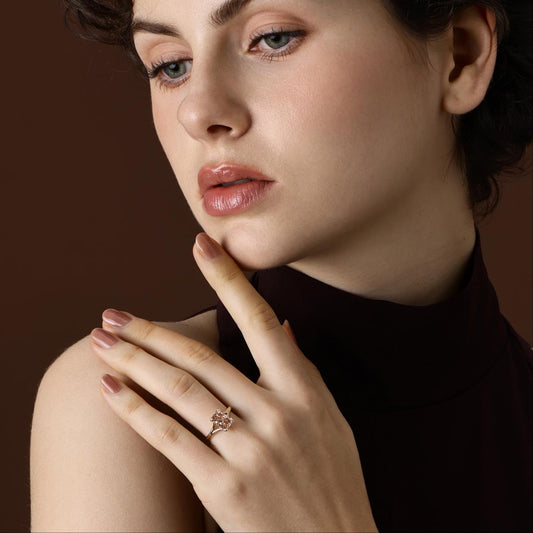
Lucia-Brown Pink Radiant Lab Grown Diamond Engagement Ring
Regular price From $2,399.00From $2,399.00 Regular priceUnit price per -
Vendor:Elora Fine Jewelry
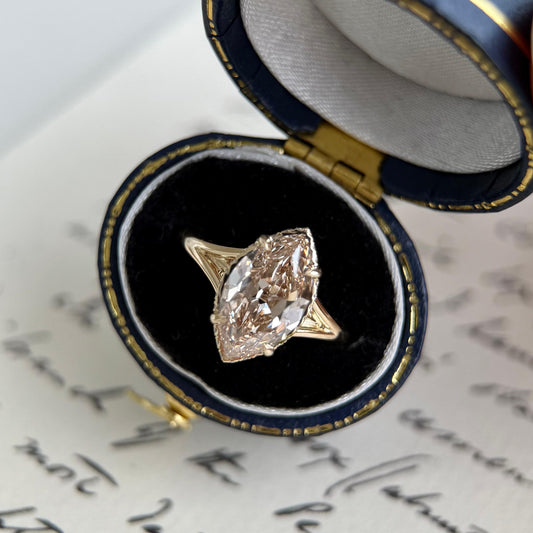
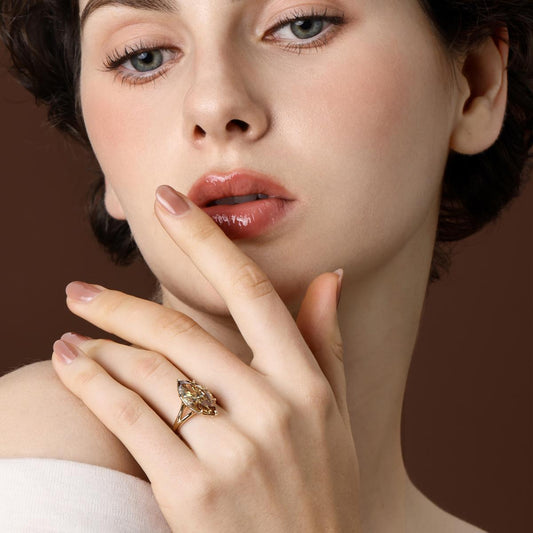
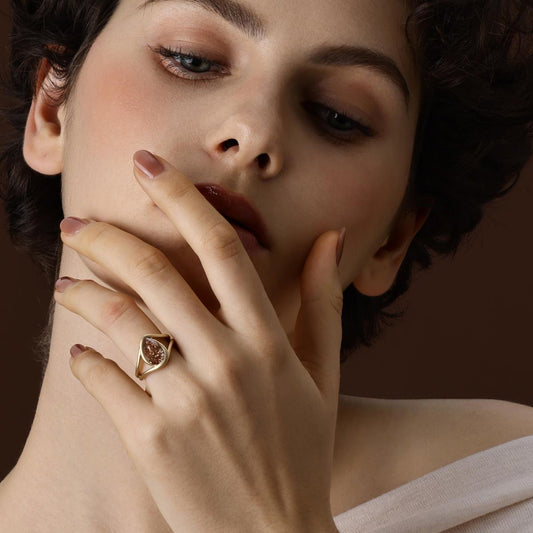
Seville-Champagne Old Mine Marquise Lab Grown Diamond Ring
Regular price $2,899.00$2,899.00 Regular priceUnit price per -
Vendor:Elora Fine Jewelry
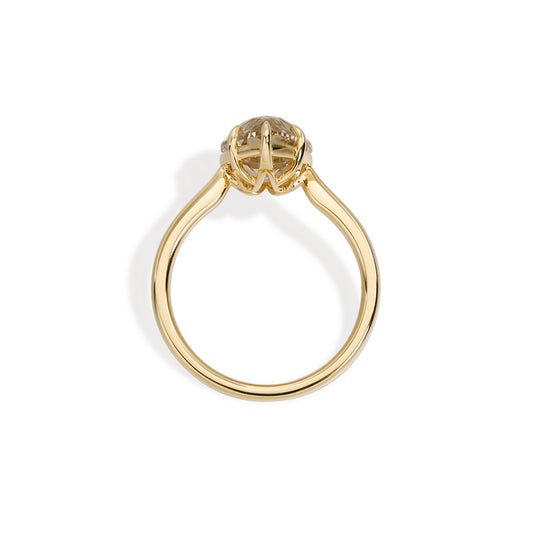
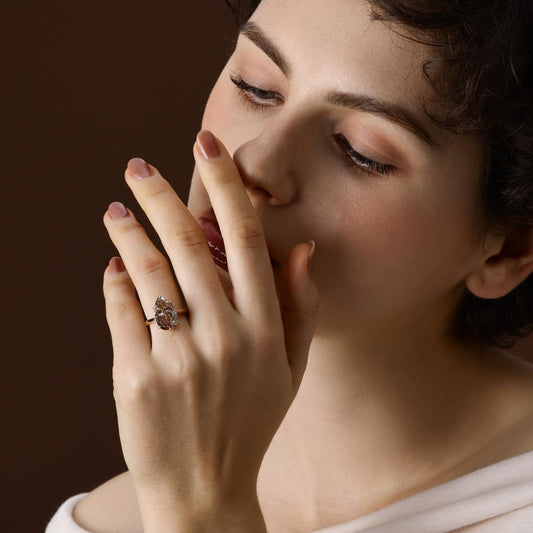
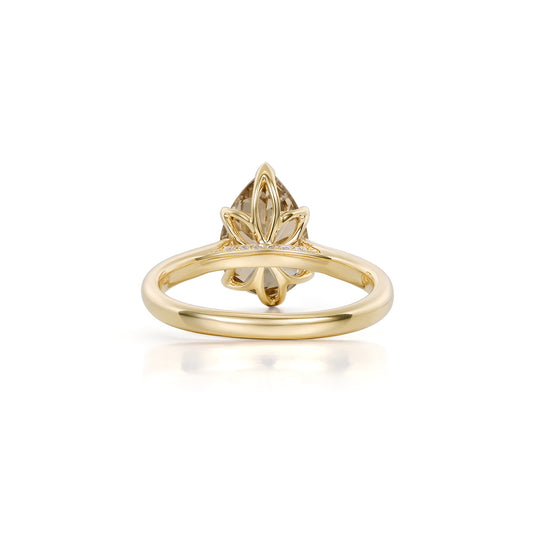
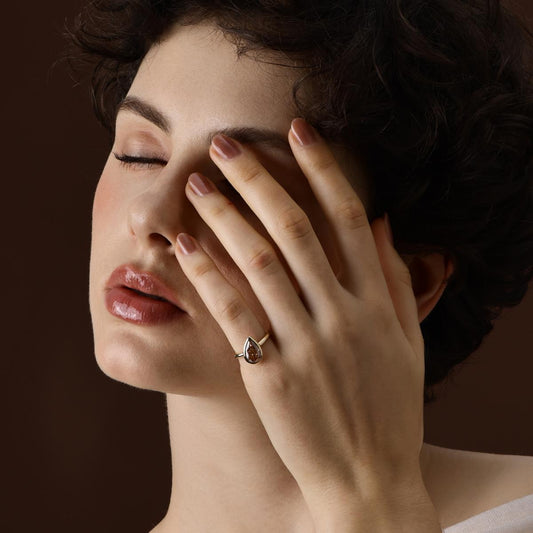
Jasper-Champagne Old Mine Pear Lab Grown Diamond Engagement Ring
Regular price $3,199.00$3,199.00 Regular priceUnit price per -
Vendor:Elora Fine Jewelry
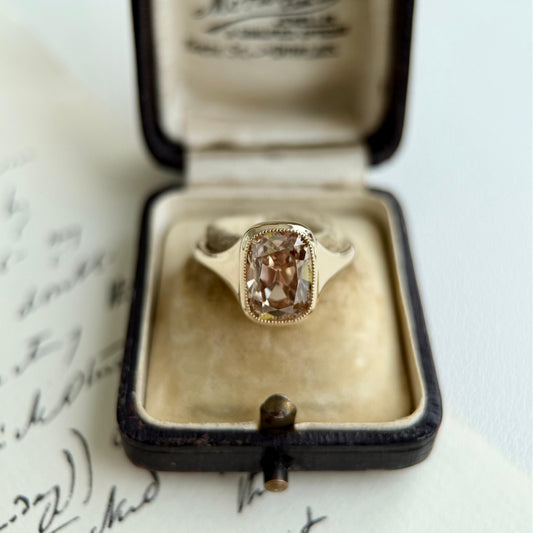
Athena-Champagne Old Mine Cushion Cut Lab Grown Diamond Engagement Ring
Regular price $3,299.00$3,299.00 Regular priceUnit price per -
Vendor:Elora Fine Jewelry
Honey-Champagne Heart Lab Grown Diamond Engagement Ring
Regular price $4,799.00$4,799.00 Regular priceUnit price per -
Vendor:Elora Fine Jewelry
Jasper-Brown Pink Pear Lab Grown Diamond Engagement Ring
Regular price $4,099.00$4,099.00 Regular priceUnit price per -
Vendor:Elora Fine Jewelry
Maple-Brown Marquise Lab Grown Diamond Engagement Ring
Regular price $4,799.00$4,799.00 Regular priceUnit price per -
Vendor:Elora Fine Jewelry
Eddy-Champagne Old Mine Cushion Lab Grown Diamond Ring
Regular price $3,399.00$3,399.00 Regular priceUnit price per -
Vendor:Elora Fine Jewelry
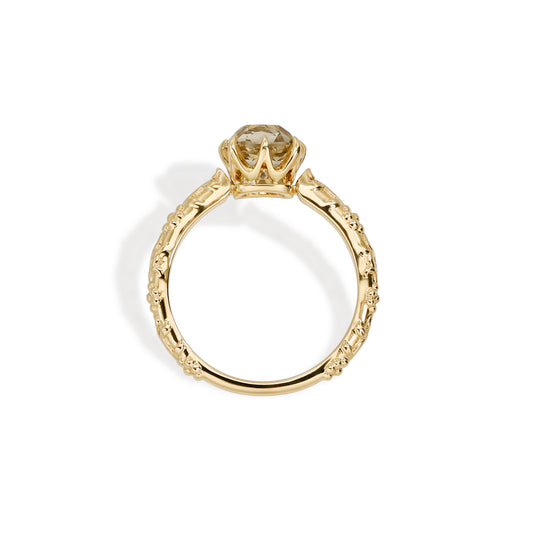
Sonora-Champagne Old European Cut Lab Grown Diamond Ring
Regular price $2,299.00$2,299.00 Regular priceUnit price per -
Vendor:Elora Fine Jewelry
Alfa-Champagne Old Mine Pear Lab Grown Diamond Ring
Regular price $2,699.00$2,699.00 Regular priceUnit price per -
Vendor:Elora Fine Jewelry
Alba-Champagne Old Mine Cushion Lab Grown Diamond Ring
Regular price $1,999.00$1,999.00 Regular priceUnit price per -
Vendor:Elora Fine Jewelry
Ada-Champagne Old Mine Cut Lab Grown Diamond Engagement Ring
Regular price $1,699.00$1,699.00 Regular priceUnit price per -
Vendor:Elora Fine Jewelry
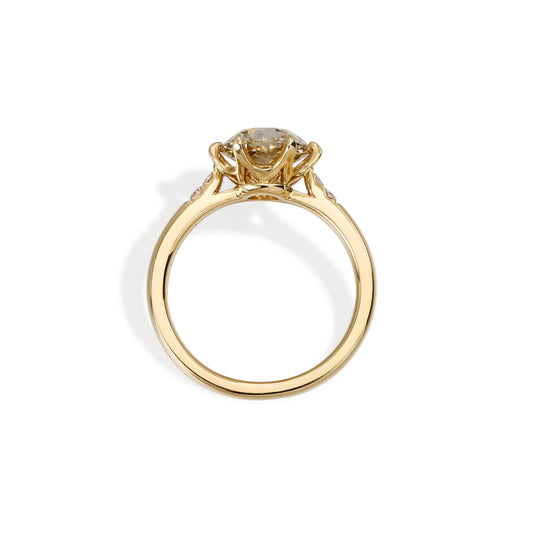
Bellini-Champagne Oval Lab Grown Diamond Engagement Ring
Regular price $6,269.00$6,269.00 Regular priceUnit price per$6,599.00Sale priceSold out -
Vendor:Elora Fine Jewelry
Celeste-Champagne Pear Lab Grown Diamond Engagement Ring
Regular price $4,179.00$4,179.00 Regular priceUnit price per$4,399.00Sale priceSale -
Vendor:Elora Fine Jewelry
Kira-Champagne Pear Lab Grown Diamond Engagement Ring
Regular price $2,469.00$2,469.00 Regular priceUnit price per$2,599.00Sale priceSale -
Vendor:Elora Fine Jewelry
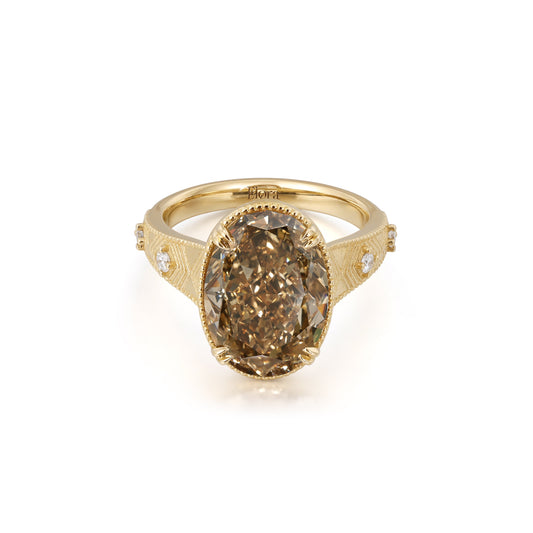
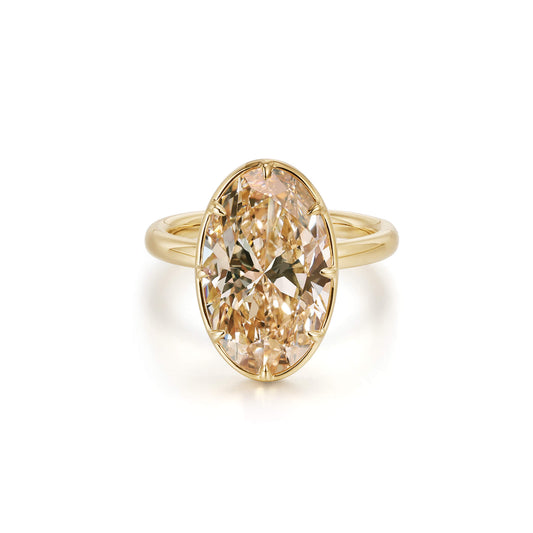
Aurelia-Champagne Oval Lab Grown Diamond Engagement Ring
Regular price $7,799.00$7,799.00 Regular priceUnit price per -
Vendor:Elora Fine Jewelry
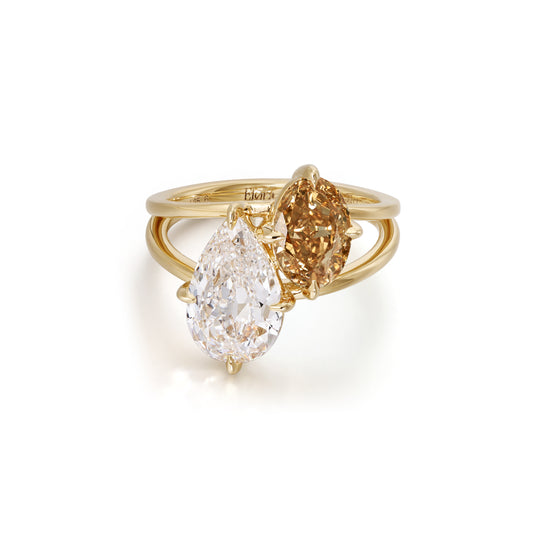
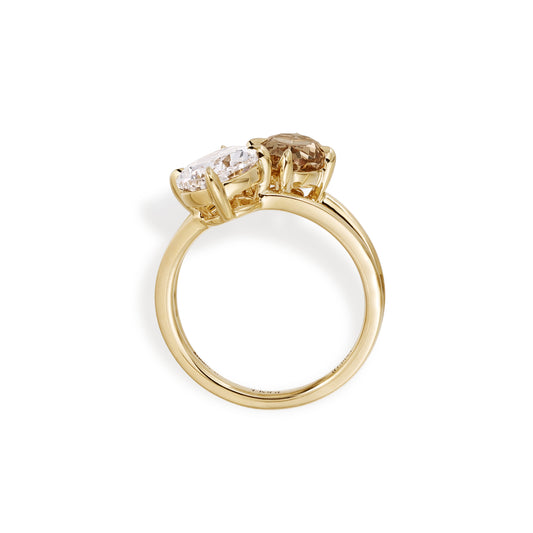
Kaia-Pear and Oval Lab Grown Diamond Engagement Ring
Regular price From $2,999.00From $2,999.00 Regular priceUnit price per -
Vendor:Elora Fine Jewelry
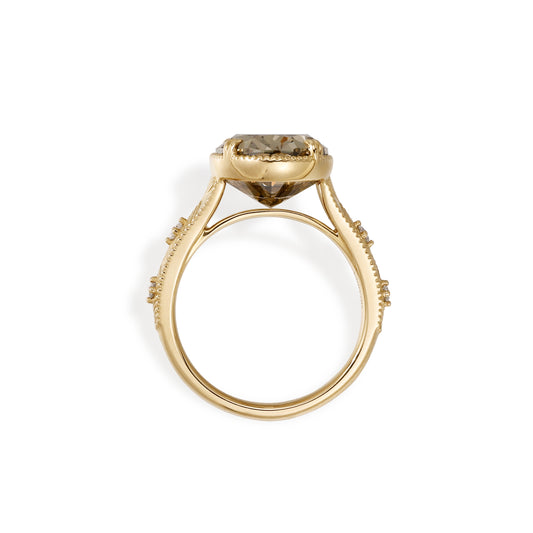
Gaia-Vintage Oval Cut Brownish Pink Diamond Ring
Regular price $7,199.00$7,199.00 Regular priceUnit price per















The Physics of Champagne Tones
The warm color of champagne diamonds is a result of trace elements present during the lab grown crystal growth process. Unlike colorless stones that reflect light as pure white fire champagne diamonds break light into warm golden and amber flashes. This creates a softer and more romantic scintillation pattern. We curate stones focusing on rich saturation ensuring each diamond possesses a consistent body color that transitions beautifully from light straw to deep cognac without any unwanted green or grey undertones.
Designing for Monochromatic Harmony
One of the most effective ways to showcase a champagne diamond is through monochromatic styling. By setting a honey toned stone in a solid yellow gold band the metal and the gem blend into a singular architectural statement. This approach eliminates harsh boundaries and allows the warm glow of the diamond to appear larger and more integrated into the hand. For those seeking a more defined look setting a dark brown stone in bright white gold creates a sharp outline that highlights the depth of the hue.
Exploring Earthy Silhouettes
Champagne diamonds offer a unique way to express personal style through color and cut. For a bold and modern aesthetic the Lucia Radiant Cut Ring amplifies the warm brown pink tones through intense crushed ice faceting. If you prefer a regal and historic feel the Athena Old Mine Cushion Cut provides deep chunky flashes of amber light. We also offer highly romantic shapes like the Honey Heart Cut Ring and the Jasper Pear Cut Ring both of which use their distinct curves to concentrate the earthy golden color at the absolute points of the diamond.
Caring for Your Colored Diamond
Maintaining the radiance of a champagne diamond is simple but essential. Because the visual beauty of the stone relies heavily on its specific color saturation any buildup of oils or daily debris on the underside can dull the warm tones. Regular cleaning with warm soapy water and a soft brush will ensure that light continues to pass through the facets correctly. This routine care preserves the golden scintillation and ensures your diamond remains visually powerful.
Frequently Asked Questions
Yes. They share the exact same physical and chemical properties as their mined counterparts. The warm hue is simply the result of specific trace elements introduced during the laboratory growth process.
Yellow gold is the most requested pairing because it creates a seamless monochromatic harmony enhancing the warm golden tones. Alternatively setting a deep cognac stone in white gold or platinum provides a striking modern contrast.
They deliver exceptional fire but in a completely different manner. Instead of returning icy white light they refract light into warm amber and golden flashes resulting in a deeply romantic scintillation pattern.
No. The earthy color is a structural part of the diamond crystal lattice. It is a permanent physical characteristic that will never fade or alter with daily wear.