Bezel vs Prong Setting: Which One Is Right for Your Engagement Ring?


Choosing an engagement ring involves more than finding a diamond you love. The way it is set can change how the stone looks, how well it is protected, and how comfortable the ring feels throughout the day.
A bezel setting surrounds the diamond with a smooth metal frame, while a prong setting holds it with small metal claws, leaving more of the stone exposed. One creates a clean, defined silhouette; the other lets the diamond take center stage. But the choice is not simply about security versus sparkle. From slim modern bezels to antique inspired collet settings, there are more ways to approach these designs than you might expect.
Here's what to know about both settings, how they affect the appearance of your diamond, and which style might suit your ring best.
The Bezel Setting: A Clean Frame with Added Protection
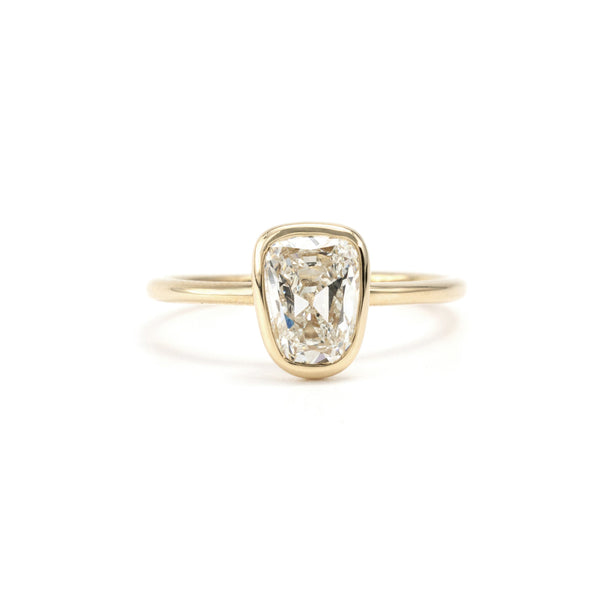
A bezel setting holds a diamond within a continuous rim of metal that wraps around its outer edge, or girdle.
Rather than relying on individual claws, the metal is shaped around the stone to create a smooth, defined frame.
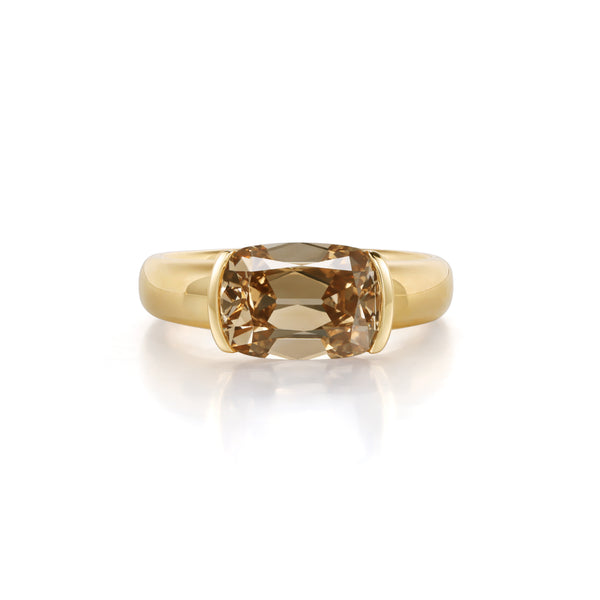
There are two main styles. A full bezel surrounds the entire outline of the diamond, covering its girdle. A partial bezel covers selected sections, usually leaving parts of the sides open while securing areas such as the ends or pointed tips.
Beyond its protective qualities, a bezel can become an important part of the design. A slim polished rim gives a diamond a clean, contemporary appearance, while a wider frame creates a more substantial, sculptural look.
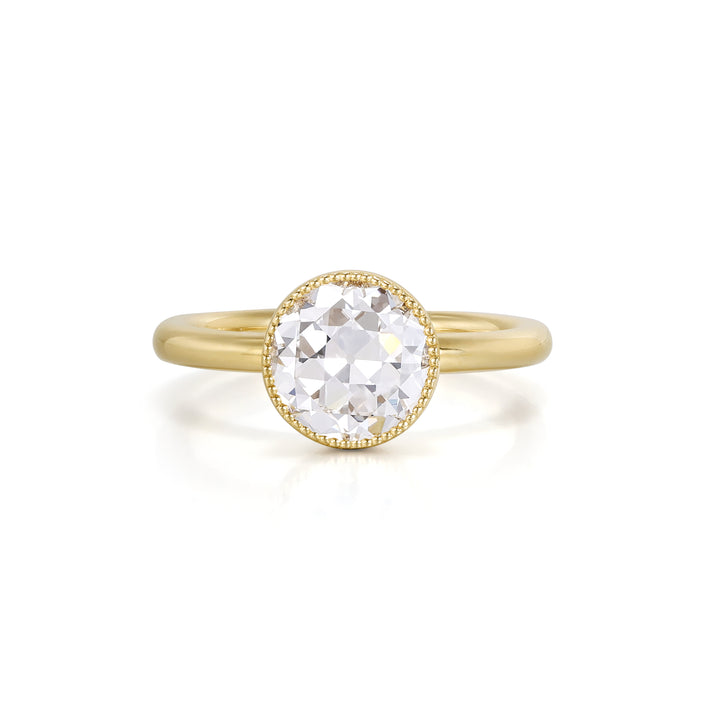
With milgrain detailing or engraved metalwork, the same setting can take on a distinctly vintage character.
Bezel settings are particularly appealing to people who prefer a lower profile and a smoother finish against clothing. With no exposed claw tips, they are generally less likely to catch on knitwear, sleeves, or hair.
The Prong Setting: Letting the Diamond Take Center Stage
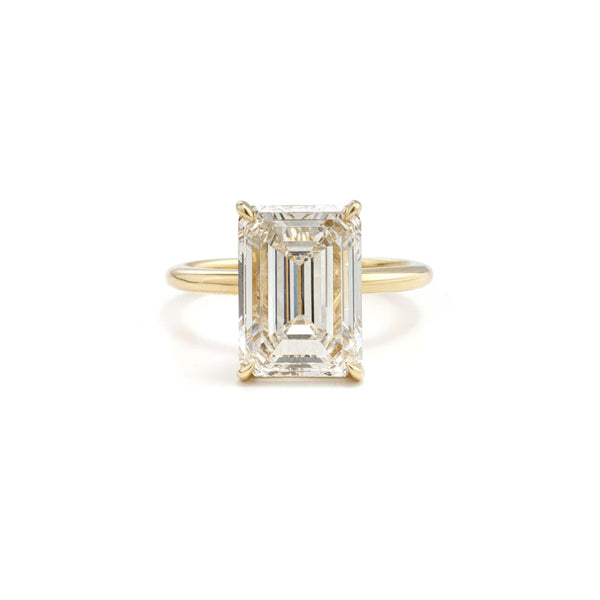
A prong setting secures a diamond with small metal claws that extend from the setting and fold over the stone's edge. Four or six prongs are common, although the number and arrangement depend on the diamond's shape and the design.
Because the metal touches the diamond at relatively small points, more of its outline remains visible. This gives the stone a more open appearance and allows light to enter from different directions.
Prongs also offer considerable design flexibility. Delicate claws can create a light, understated look, while double prongs, V-shaped tips, and decorative settings introduce more detail. For pointed shapes such as pear and marquise diamonds, protective V-prongs are often used to cover the vulnerable tips.
The trade-off is that exposed prongs require periodic inspection. They can loosen or wear over time, and their raised structure may catch on clothing more easily than a smooth bezel.
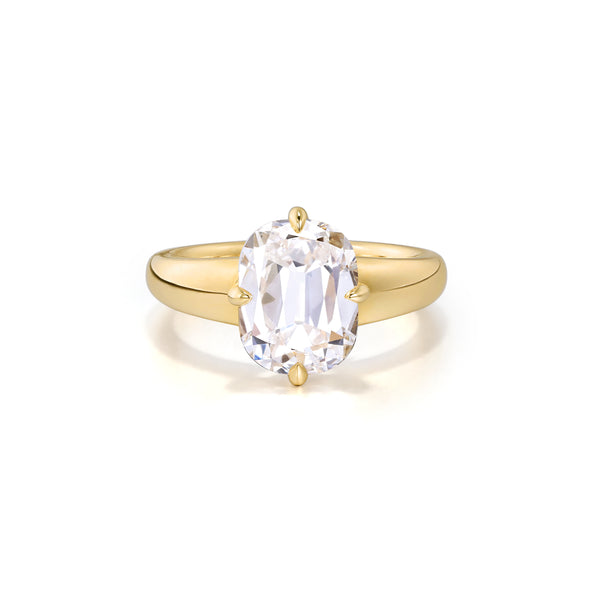
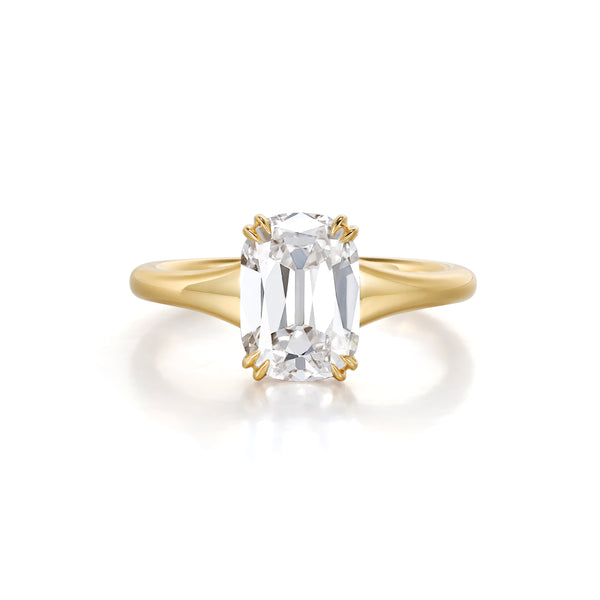
Bezel vs Prong: The Differences That Matter
Neither setting is automatically better. The right choice depends on the diamond, the design, and how you plan to wear your ring.
| Feature | Full Bezel | Prong Setting |
| How metal meets the stone | Continuous rim around the girdle | Individual claws at contact points |
| Girdle protection | Covers the entire girdle | Girdle remains exposed between prongs |
| Snag risk | Generally low, with a smooth surface | Higher around exposed prong tips |
| Profile | Can sit relatively low and flush | Often sits higher above the band |
| Light access | Primarily through the crown | Through the crown and open sides |
| Cleaning | Fewer crevices to maintain | Requires cleaning around each prong |
| Maintenance focus | Rim thickness and wear | Prong tightness and condition |
| Overall appearance | Defined, framed, and sculptural | Open, delicate, and classic |
These are general characteristics. A well-designed bezel and a well-made prong setting can both showcase a beautiful diamond effectively.
How Metal Changes the Look of Your Diamond
A bezel does more than secure a diamond. Its width and finish influence the ring's overall appearance. A wider rim creates a bolder, more substantial look, while a slim bezel keeps attention on the stone. Details such as milgrain edges and knife-edge bands add definition without making the design feel heavy.
Metal color matters, too. Yellow and rose gold complement the natural tones of champagne diamonds, while white gold and platinum create a cooler contrast. Although the setting does not change a diamond's actual color grade, it can influence how its color is perceived.
There is also a practical advantage to a smooth bezel. Without exposed prong tips, it is less likely to catch on knitwear, delicate fabrics, or hair, making it a comfortable choice for everyday wear.
The Best of Both Worlds: Hybrid Bezel and Prong Designs
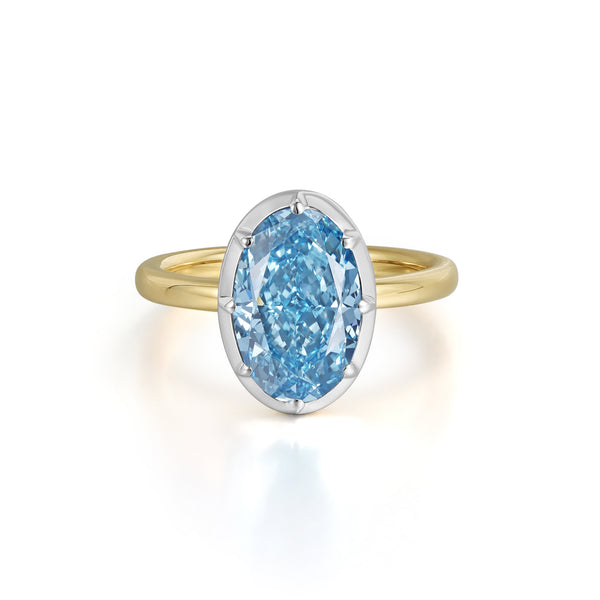
Bezel and prong settings do not have to be an either-or choice. Some designs combine the protective qualities of a metal rim with decorative prong details, creating a look that feels both secure and distinctly vintage.
This approach draws inspiration from antique jewelry, particularly Georgian and early Victorian designs.
Traditional collet settings used a metal rim to frame the stone, sometimes incorporating shaped or decorative metal details along the edge. These settings were valued not only for their construction but also for the way the metal became part of the jewelry's overall design.
Modern interpretations can take this further. A diamond may sit within a partial or sculpted bezel, with delicate prong-like details adding definition to the setting. Other designs use a cut-down collet, where small sections of the metal rim are shaped into decorative points around the stone. The result is a more intricate appearance than a conventional bezel, without relying entirely on exposed claws.
These designs are particularly appealing with Old Mine Cuts, Old European Cuts, and other antique inspired diamonds. The metalwork complements their broader facets and historical character rather than competing with them.
At Elora, we draw inspiration from historical collet settings and reinterpret their details through contemporary proportions and craftsmanship. It is an approach that allows traditional jewelry influences to work beautifully with modern lab grown diamonds.
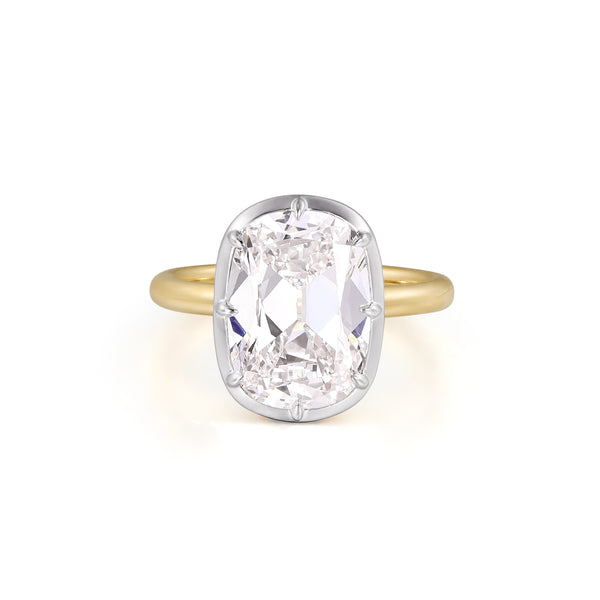
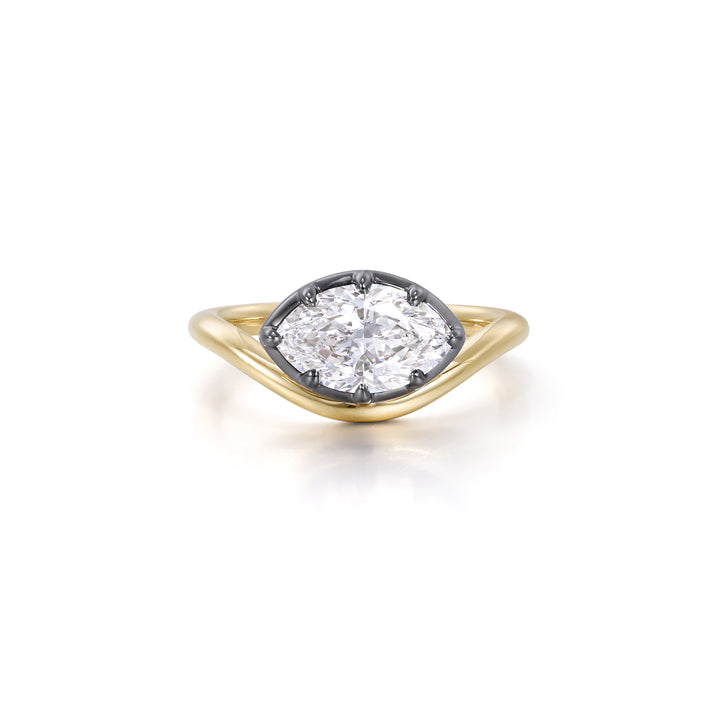
Finding the Right Setting for Each Diamond Shape
Every diamond shape interacts differently with its setting. The outline, corners, and proportions all influence how the metal should be designed.
| Diamond Shape | Bezel Setting | Prong Setting |
| Oval | Follows the elongated outline and protects both ends | Keeps the full silhouette visible |
| Pear and Marquise | Frames the pointed tips | Often uses V-prongs to protect the tips |
| Emerald and Asscher | Emphasizes clean geometry and protects the corners | Creates an open look around the step-cut facets |
| Round | Creates a clean circular frame | Offers a classic, open appearance |
| Cushion and Radiant | Softens and frames the corners | Allows the outline and facets to remain prominent |
| Old Mine and Old European | Echoes antique collet settings | Highlights the stone's outline and facet pattern |
For pointed shapes such as pear and marquise, a bezel can provide additional coverage around the tips, while a V-prong offers a more open alternative with protection at the most vulnerable point.
Step cuts such as emerald and Asscher often look particularly striking in bezels because the straight metal edges complement their geometric facets. For Old Mine and Old European Cuts, collet inspired designs can reinforce their antique character.
The best choice ultimately depends on the individual stone and the proportions of the finished ring.
Which Setting Fits Your Lifestyle?
Beyond appearance, it is worth thinking about how your ring will fit into your daily routine.
When a Bezel Makes Sense
A full bezel is often a practical choice for people who wear their rings throughout the day and prefer a smooth, low-profile design. Covering the girdle helps protect the diamond's outer edge from direct impact, while the continuous metal rim reduces the chance of catching on clothing.
A bezel can also cover inclusions located close to the girdle, although this does not change the diamond's clarity grade or remove the need to assess the stone properly.
For people who work frequently with their hands, or simply prefer a ring that feels less exposed, a bezel is worth considering.
When Prongs Are the Better Choice
Prongs are ideal if you want the diamond's full outline to remain visible or prefer a more traditional engagement ring silhouette.
They can also make future changes to the ring easier. A diamond in a prong setting can generally be removed and reset without having to rebuild an entire metal frame. By contrast, a full bezel usually needs to be cut away and reconstructed when the stone is removed.
Wedding band compatibility is another consideration. A low-profile bezel can often sit close to a straight wedding band, while a raised prong setting may leave a gap depending on the design. If you plan to wear the two rings together, designing them as a pair from the beginning can help achieve a closer fit.

Keeping Your Ring Beautiful Over Time
Both bezel and prong settings benefit from regular cleaning and professional inspection.
For routine cleaning, use warm water with a drop of mild dish soap and a soft brush. Gently rinse the ring and dry it with a lint-free cloth. Avoid chlorine and abrasive cleaners, and only use ultrasonic cleaning after confirming that the setting and any additional gemstones are suitable for it.
The inspection points are different. On a prong setting, look for claws that appear bent, lifted, or separated from the stone. On a bezel, check the metal rim for thinning, dents, or areas that no longer sit securely against the diamond.
A professional inspection every six to twelve months is a sensible routine, particularly for rings worn every day.
What Affects the Cost of Each Setting?
The cost of a setting depends on its metal, construction, and level of detail.
A full bezel generally requires more metal and additional bench work because the rim must be shaped to follow the exact outline of the diamond. A simple four or six prong setting typically uses less metal, although intricate prong designs can also involve substantial craftsmanship.
Metal choice makes a difference as well. Platinum and gold have different material costs, while wider bezels and detailed engraving require additional work.
Rather than assuming one setting is always more expensive, it is best to compare complete ring designs with the same diamond and metal specifications.
Bezel and Prong Engagement Rings at Elora
At Elora, we see the setting as an essential part of the diamond's design, not simply a way to hold the stone. From clean contemporary bezels to delicate prong settings and antique inspired collets, each approach offers different possibilities.
Our designs include full and partial bezels, as well as settings that take inspiration from historical jewelry techniques. The Nyla Oval Cut Lab Grown Diamond Ring pairs a polished bezel with an engraved band, bringing together a clean outline and vintage detailing. The Mila Pear Cut Pinky Ring uses a flowing partial bezel that follows the shape of the stone while protecting its pointed tip.
For those drawn to antique jewelry, our Georgian inspired cut-down collet designs offer another way to explore the relationship between metalwork and diamond faceting. We also offer custom design services for clients who have a particular setting, stone shape, or combination of details in mind.
Whether you prefer the open look of prongs, the smooth finish of a bezel, or a combination of both, our team can help develop a design around your diamond and preferred proportions.
Frequently Asked Questions
Q Does a bezel setting make a diamond look smaller?
It can, depending on the width of the metal rim. A wide bezel covers more of the diamond's outer edge visually, while a slim bezel leaves more of the stone visible. The overall frame can also make the ring appear more substantial. The actual effect depends on the diamond shape and setting proportions.
Q Does a bezel setting affect a diamond's sparkle?
A bezel covers the diamond's girdle but leaves the crown open. A well-cut diamond can still display strong brilliance and fire in a bezel setting. The setting itself does not improve or reduce the diamond's cut quality, although its construction and proportions influence the overall appearance.
Q Are bezel settings better for everyday wear?
A full bezel is often a practical option for everyday wear because it covers the girdle and has fewer exposed edges that can catch on clothing. However, no setting makes a diamond completely immune to damage. Regular cleaning and inspection are still important.
Q Can you combine bezel and prong settings?
Yes. Hybrid designs can combine a metal rim with decorative prong-like details, partial bezels, or cut-down collet elements. These designs are particularly attractive for antique inspired rings, where the metalwork becomes part of the overall aesthetic.
Q Can a bezel set diamond be reset into a prong setting later?
Yes, but the original bezel generally needs to be cut away, and a new setting must be made to fit the diamond. A prong-set diamond is usually easier to remove and reuse in another design.
Q What metal looks best with a champagne diamond in a bezel setting?
Yellow gold is a natural pairing for champagne diamonds, complementing their golden and brown undertones. Rose gold creates a softer, more romantic combination, while white gold and platinum provide a cooler contrast. The best choice depends on the particular shade of the diamond and the overall look you want to achieve.
Final Thoughts
Bezel and prong settings offer two different ways to present a diamond. A bezel creates a defined frame with added edge protection and a smooth profile, while prongs leave more of the stone exposed and preserve its full outline. Hybrid designs offer another possibility, bringing together elements of both with a distinctly individual character.
The right setting is not simply a matter of choosing between protection and sparkle. It is about how the diamond, metal, and design work together.
Explore Elora's lab grown diamond engagement rings or work with our team to create a custom design that brings your preferred setting, diamond shape, and metal choice together.


