-
Vendor:Elora Fine Jewelry
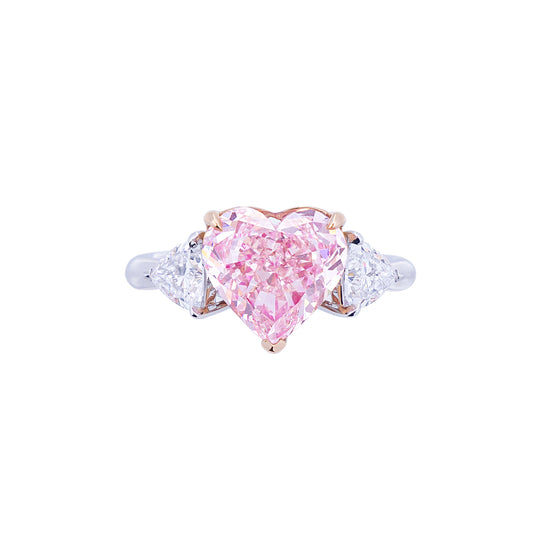
Aurora - Heart Cut Pink Diamond Ring
Regular price $6,633.00$6,633.00 Regular priceUnit price per$7,370.00Sale priceSale -
Vendor:Elora Fine Jewelry
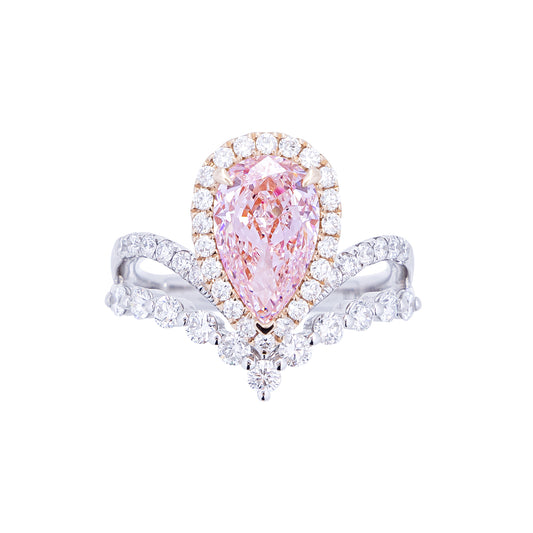
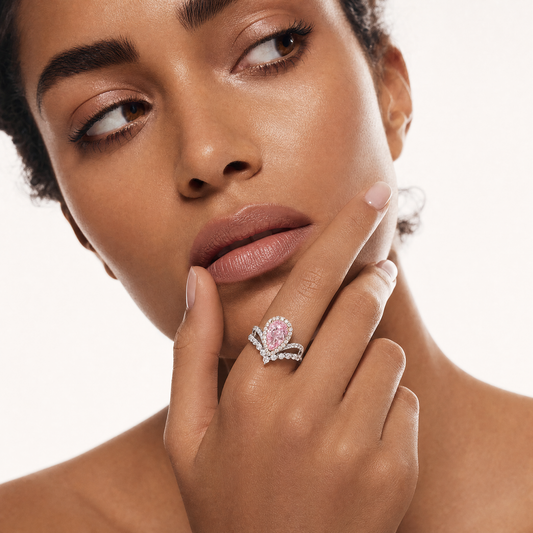
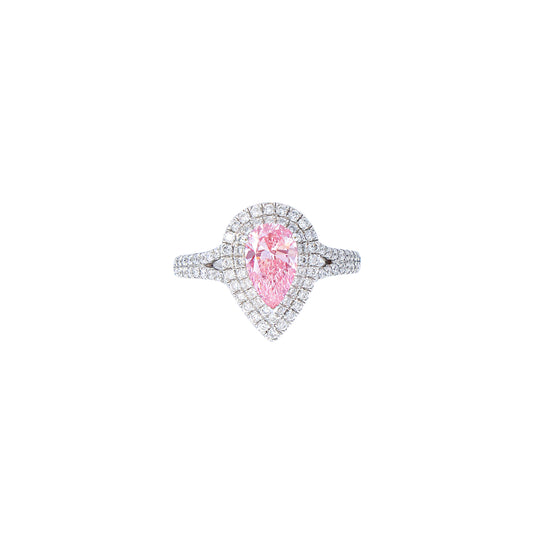
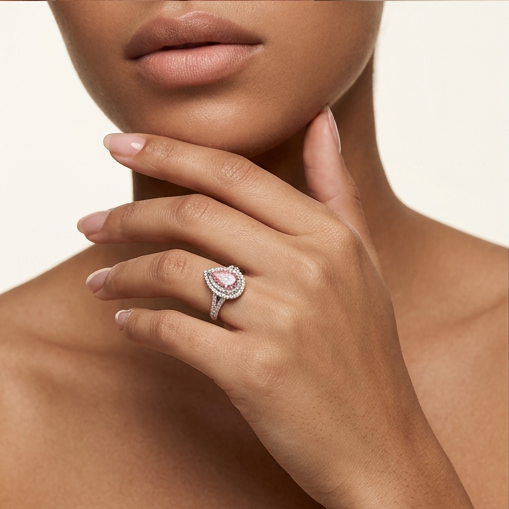
Ashley - Pear Cut Pink Diamond Ring
Regular price $4,490.00$4,490.00 Regular priceUnit price per$4,990.00Sale priceSale -
Vendor:Elora Fine Jewelry
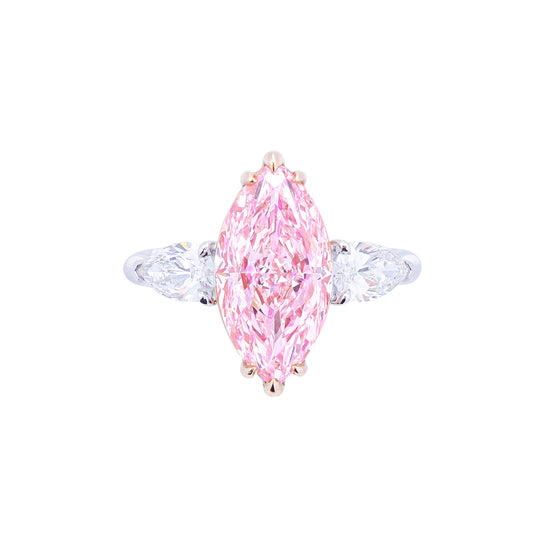
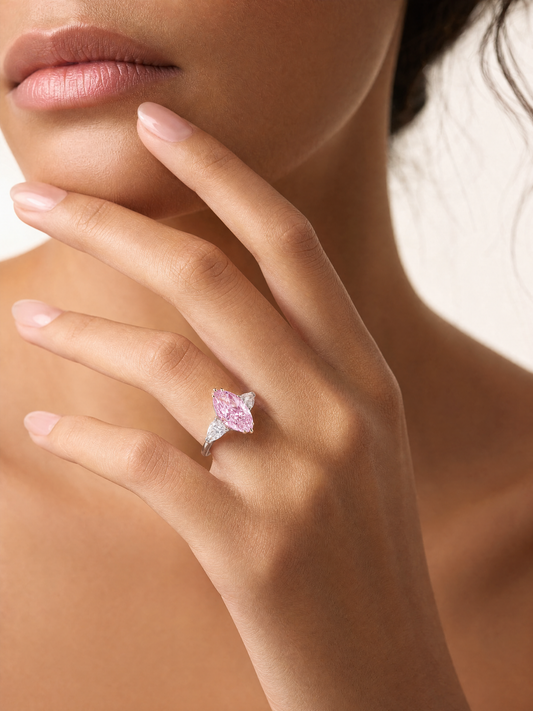
Alaia - Marquise Cut Pink Diamond Ring
Regular price $7,236.00$7,236.00 Regular priceUnit price per$8,040.00Sale priceSale -
Vendor:Elora Fine Jewelry
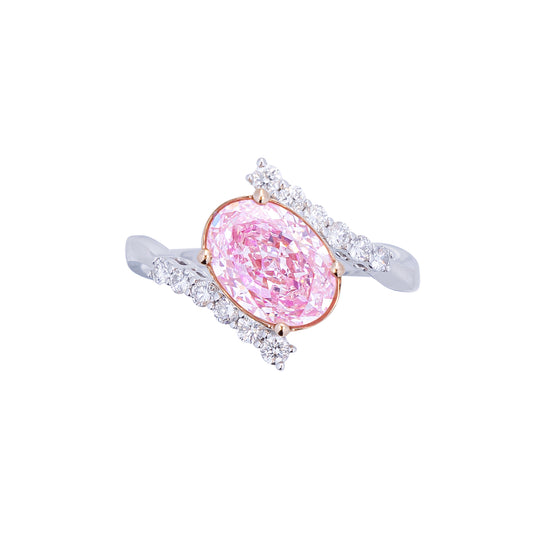
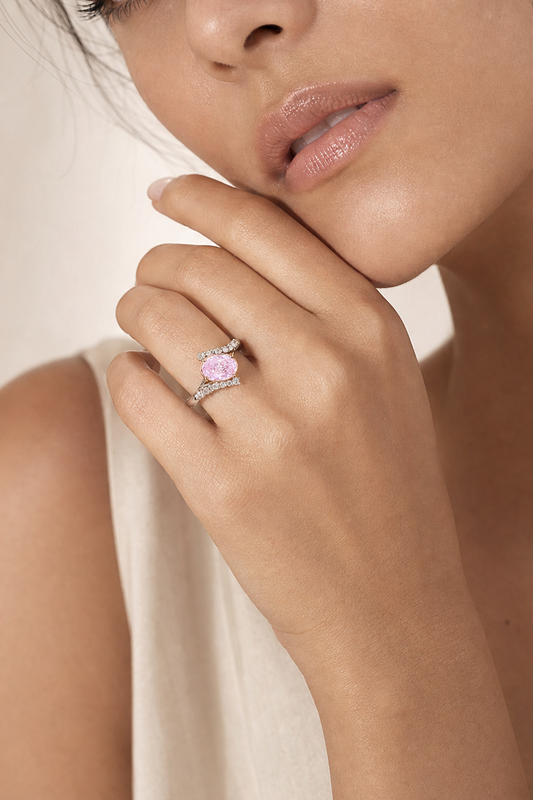
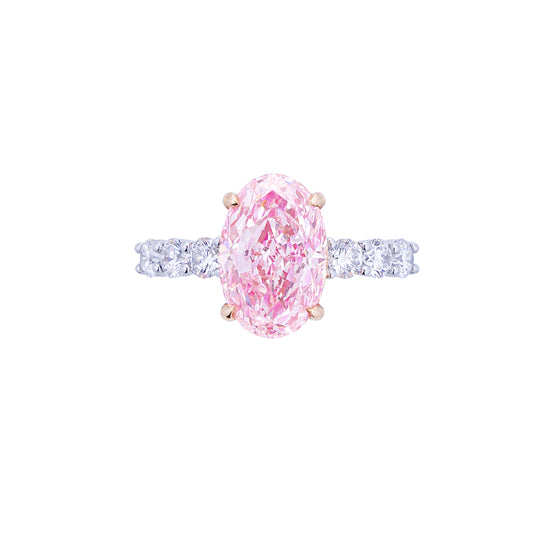
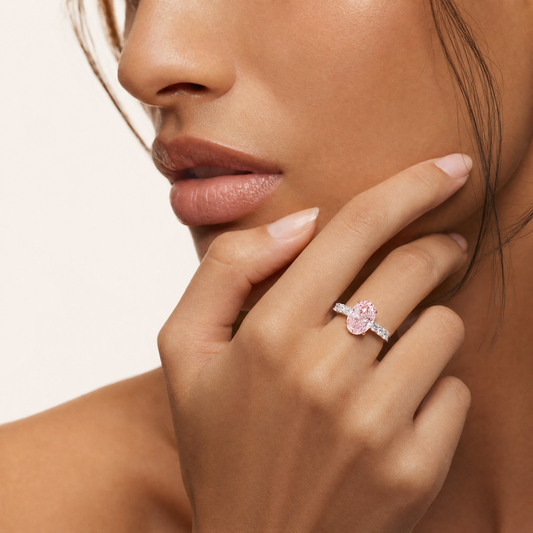
Victoria - Oval Cut Pink Diamond Ring
Regular price $4,131.00$4,131.00 Regular priceUnit price per$4,590.00Sale priceSale -
Vendor:Elora Fine Jewelry
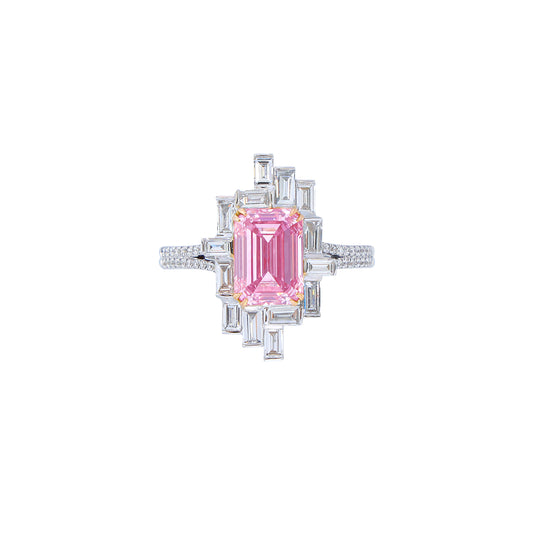
Allison - Emerald Cut Pink Diamond Ring
Regular price $5,220.00$5,220.00 Regular priceUnit price per$5,800.00Sale priceSale -
Vendor:Elora Fine Jewelry
Radiant Cut Pink Diamond Necklace
Regular price $4,914.00$4,914.00 Regular priceUnit price per$5,460.00Sale priceSale -
Vendor:Elora Fine Jewelry
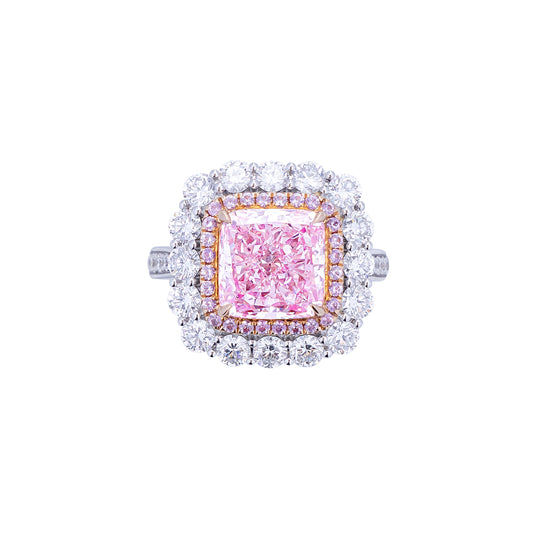
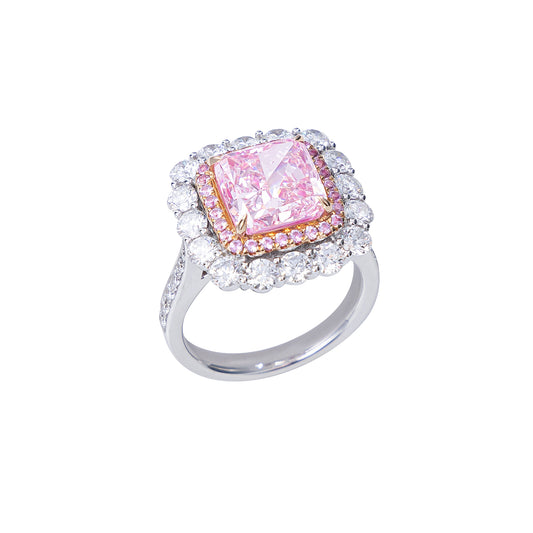
Summer - Cushion Cut Pink Diamond Ring
Regular price $3,942.00$3,942.00 Regular priceUnit price per$4,380.00Sale priceSale -
Vendor:Elora Fine Jewelry
Ariana - Pear Cut Pink Diamond Ring
Regular price $6,003.00$6,003.00 Regular priceUnit price per$6,670.00Sale priceSale -
Vendor:Elora Fine Jewelry
Lydia - Emerald Cut Pink Diamond Ring
Regular price $2,817.00$2,817.00 Regular priceUnit price per$3,130.00Sale priceSale -
Vendor:Elora Fine Jewelry
Elizabeth - Oval Cut Pink Diamond Ring
Regular price $5,841.00$5,841.00 Regular priceUnit price per$6,490.00Sale priceSale -
Vendor:Elora Fine Jewelry
Anna - Pear Cut Pink Diamond Ring
Regular price $1,818.00$1,818.00 Regular priceUnit price per$2,020.00Sale priceSale -
Vendor:Elora Fine Jewelry
Josephine - Pear Cut Pink Diamond Ring
Regular price $6,192.00$6,192.00 Regular priceUnit price per$6,880.00Sale priceSale -
Vendor:Elora Fine Jewelry
Brianna - Pear Cut Pink Diamond Ring
Regular price $7,461.00$7,461.00 Regular priceUnit price per$8,290.00Sale priceSale -
Vendor:Elora Fine Jewelry
Gabriella - Oval Cut Pink Diamond Ring
Regular price $5,930.00$5,930.00 Regular priceUnit price per -
Vendor:Elora Fine Jewelry
Clover Cut Pink Diamond Necklace
Regular price $5,270.00$5,270.00 Regular priceUnit price per -
Vendor:Elora Fine Jewelry
Avery - Oval Cut Pink Diamond Ring
Regular price $7,210.00$7,210.00 Regular priceUnit price per -
Vendor:Elora Fine Jewelry
Abigail - Radiant Cut Pink Diamond Ring
Regular price $7,560.00$7,560.00 Regular priceUnit price per -
Vendor:Elora Fine Jewelry
Eliana - Cushion Cut Pink Diamond Ring
Regular price $7,380.00$7,380.00 Regular priceUnit price per -
Vendor:Elora Fine Jewelry
Amelia - Cushion Cut Pink Diamond Ring
Regular price $8,540.00$8,540.00 Regular priceUnit price per -
Vendor:Elora Fine Jewelry
Eleanor - Cushion Cut Pink Diamond Ring
Regular price $8,160.00$8,160.00 Regular priceUnit price per


Pink Diamonds: Color, Cut, and What to Look For
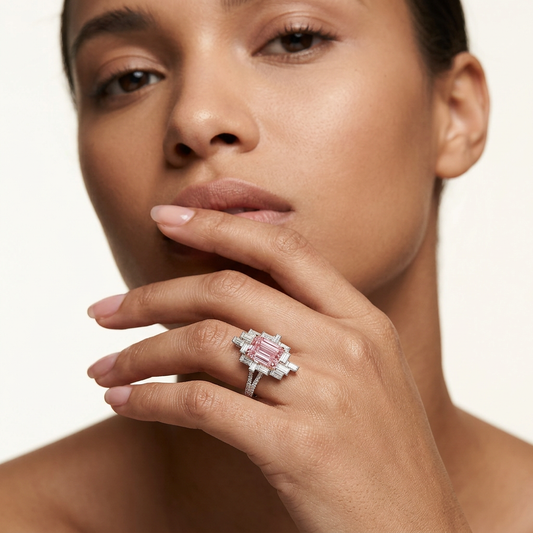
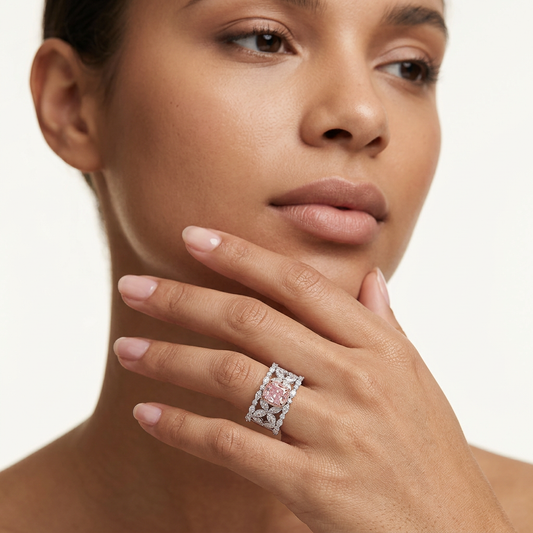
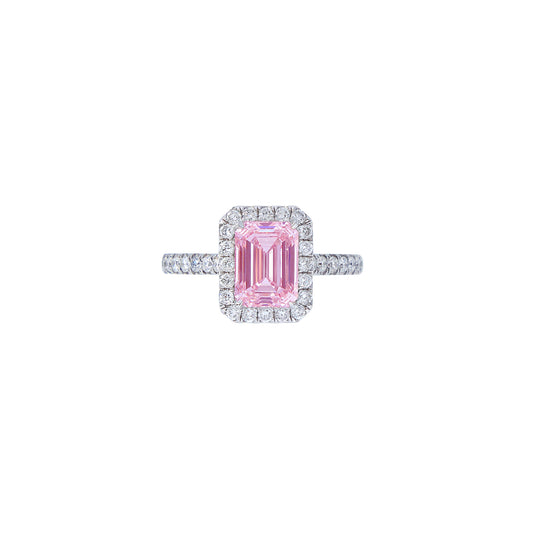
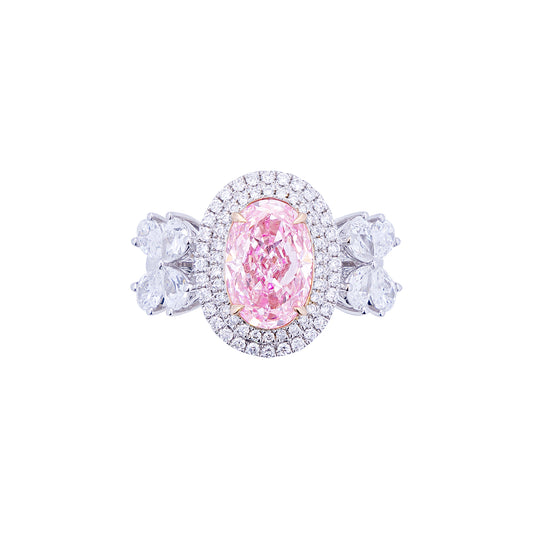
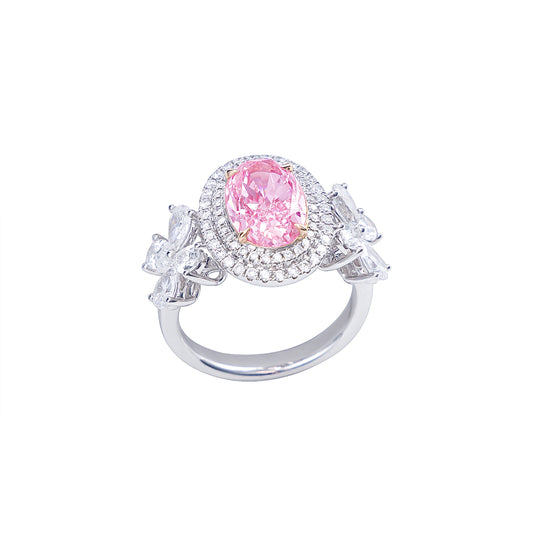
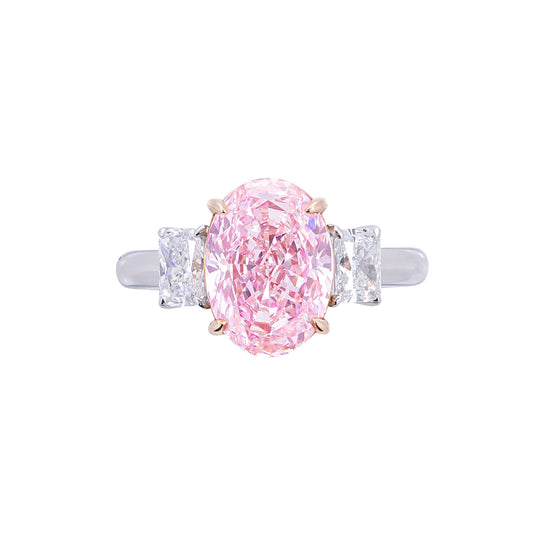
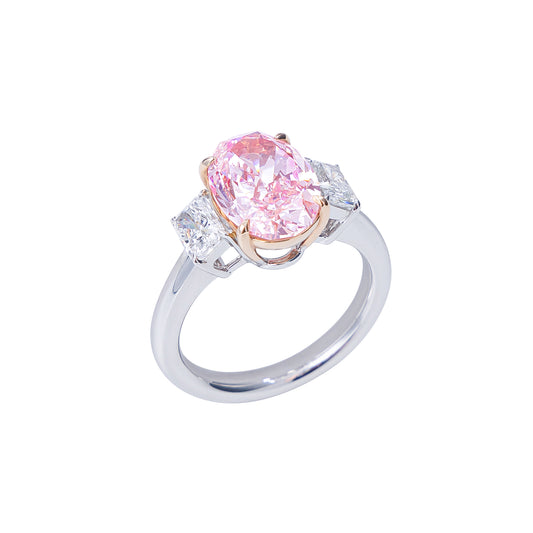
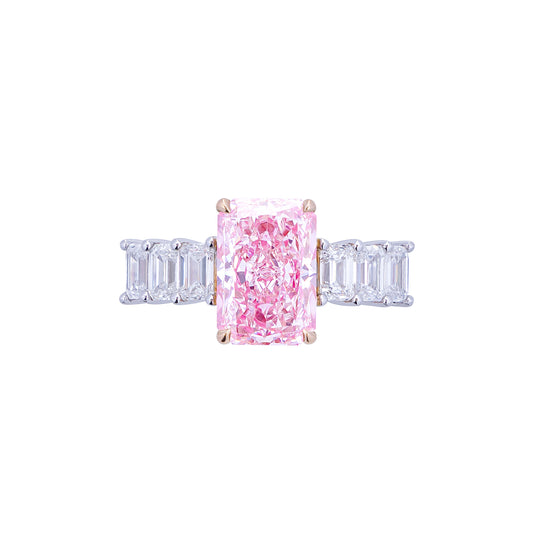
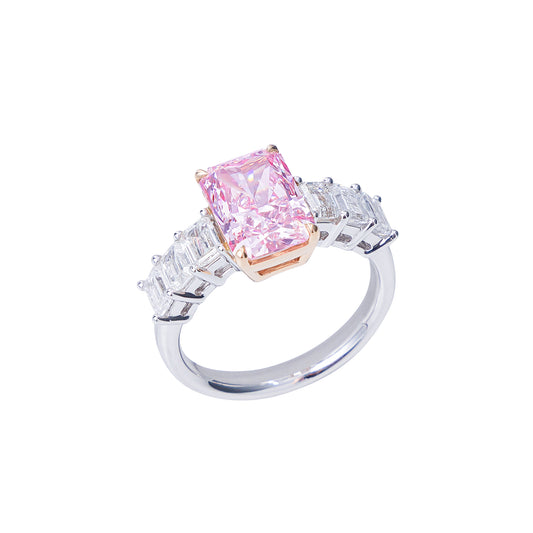
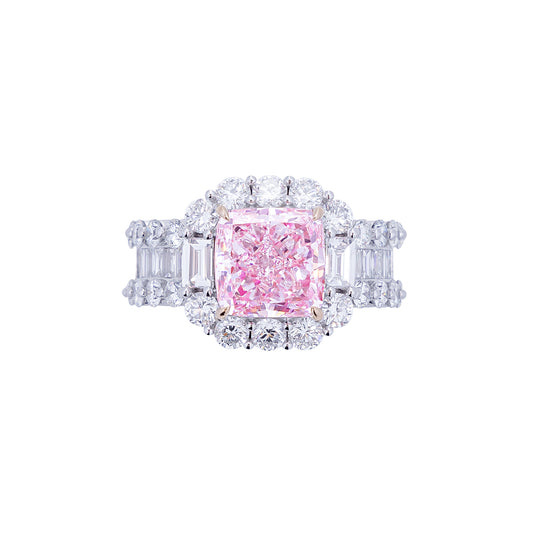
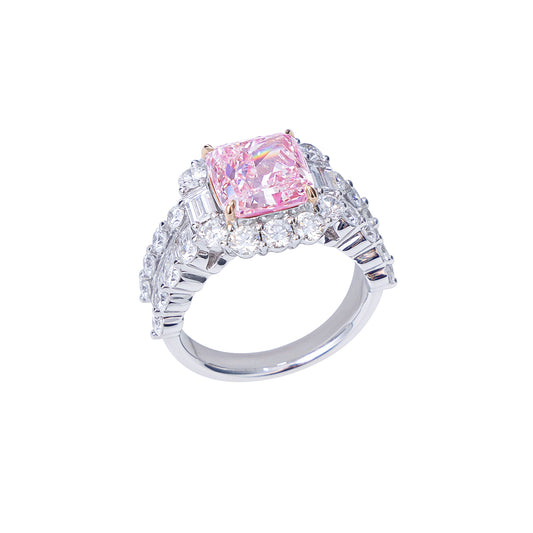
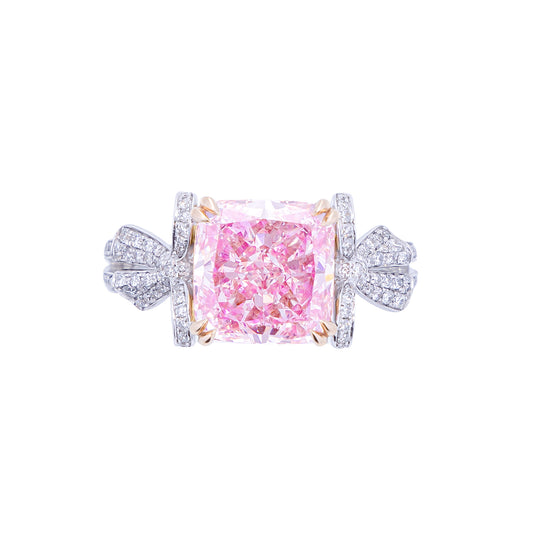
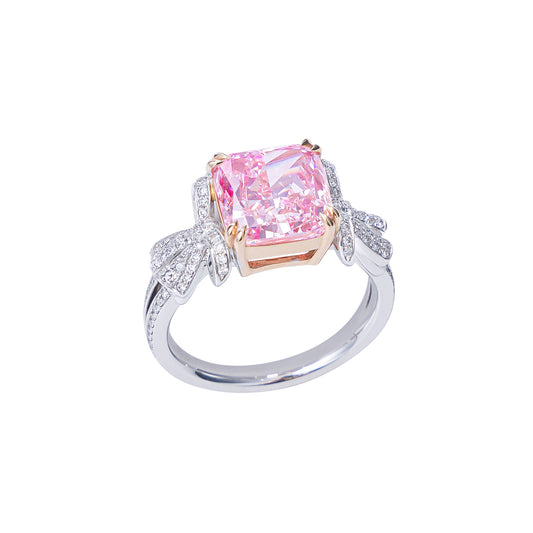
Pink is the rarest color in the diamond spectrum. Natural pink diamonds get their color from a structural anomaly in the crystal lattice rather than from a trace element, which is why the color is so difficult to predict and reproduce. Lab-grown pink diamonds achieve the same result through controlled post-growth treatment, producing stones with consistent, saturated color that would be nearly impossible to source at this quality in nature. The color range runs from pale blush to vivid rose, and the intensity of the pink affects how the stone reads in different settings and lighting conditions.
How Cut Affects Pink Color
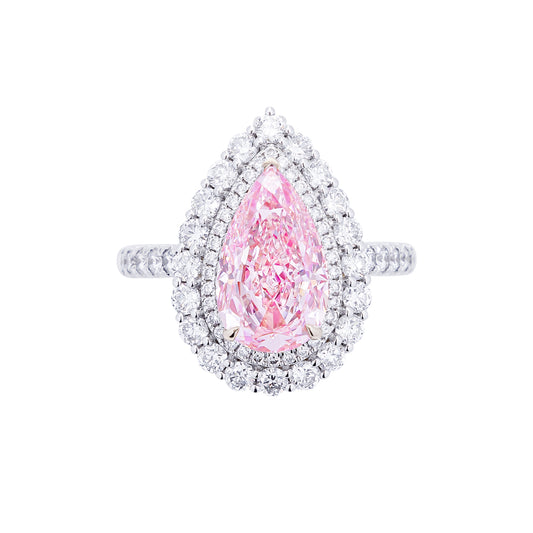
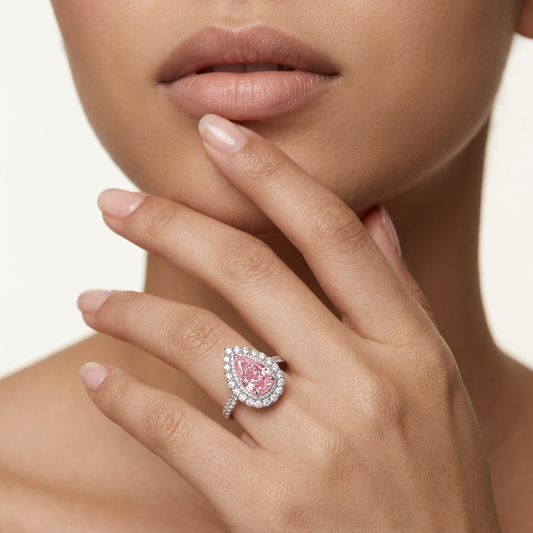
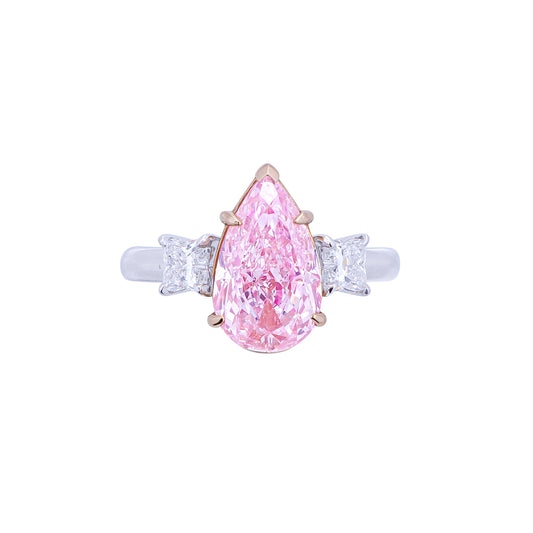
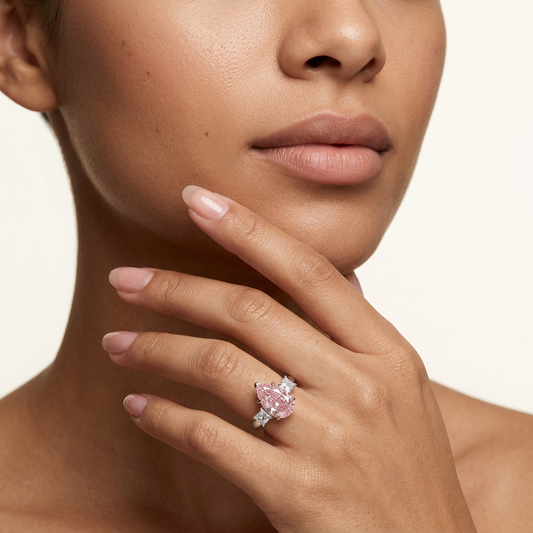
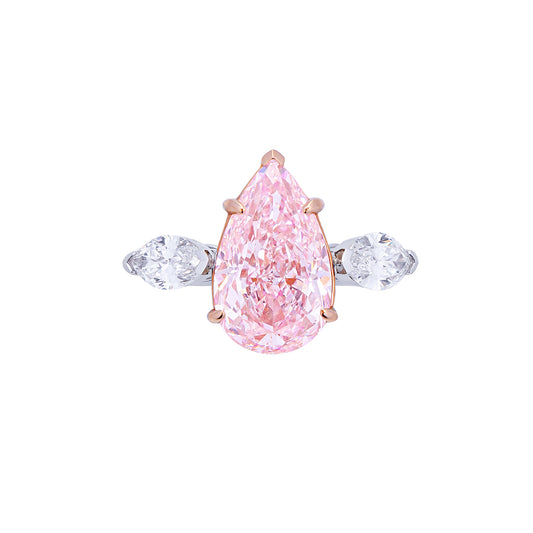
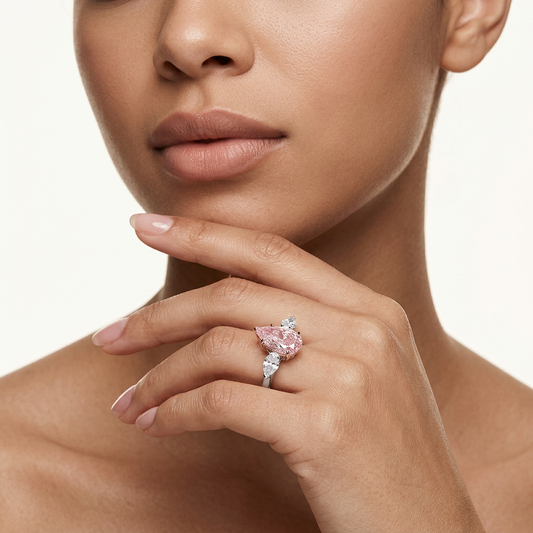
The cut of a pink diamond changes how the color concentrates and distributes across the stone. Oval cuts elongate the color across a wide surface, which tends to produce a softer, more diffused pink. Pear cuts concentrate color toward the pointed tip, making the pink appear more intense at one end. The Aurora Heart Cut Pink Diamond Ring uses a heart silhouette where the color reads evenly across both lobes, creating a warm, saturated effect that's distinctive to this cut. The Ashley Pear Cut Pink Diamond Ring shows how the pear's elongated tip draws the eye and concentrates the color in a way that makes the stone appear more vivid than its actual saturation level.
Pink in Different Settings
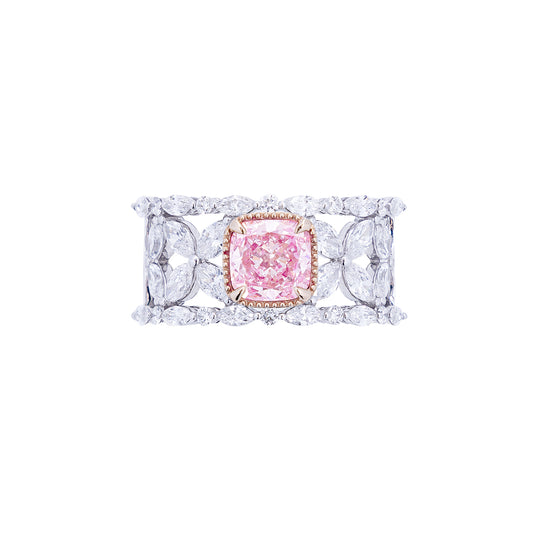
Rose gold amplifies the warmth of a pink diamond by adding a complementary tone in the metal itself. White gold creates a cooler contrast that makes the pink read as more saturated by comparison. Yellow gold sits between the two, adding warmth without matching the pink directly. The Alaia Marquise Cut Pink Diamond Ring and Victoria Oval Cut Pink Diamond Ring demonstrate how the same color reads differently depending on the metal choice and setting style surrounding it.
Pink Beyond Rings
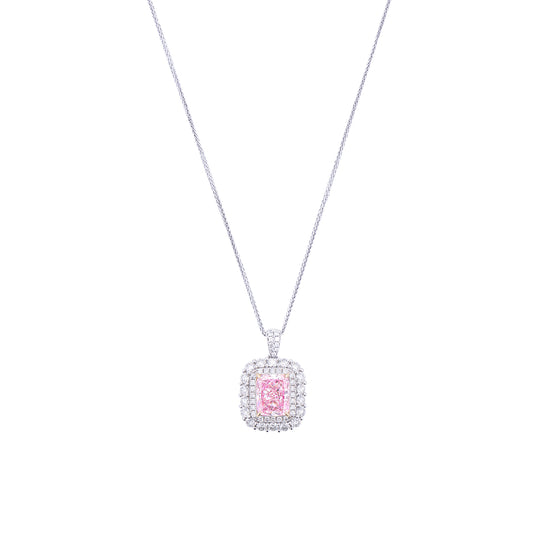
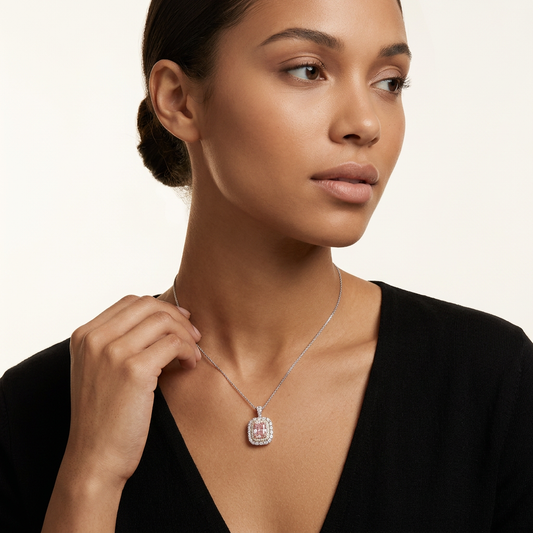
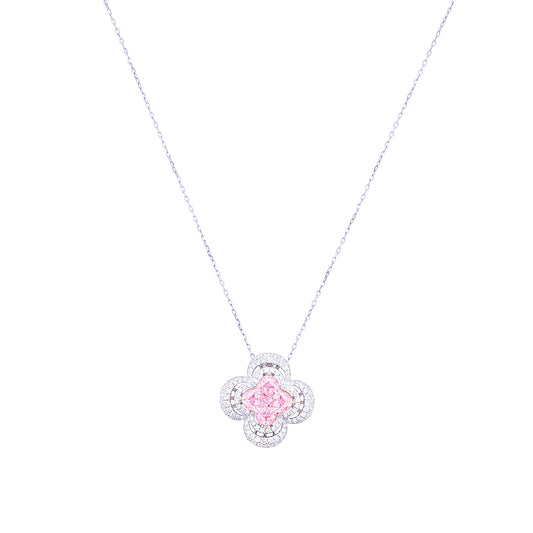
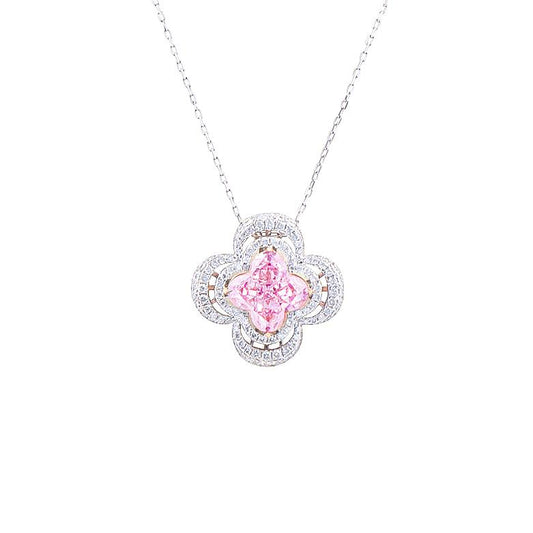
Pink diamonds translate well across jewelry categories. The color is warm enough to work at the neckline without competing with skin tone, and vivid enough to read clearly in smaller stones used in bracelets and earrings. The Gianna Radiant Cut Pink Diamond Necklace shows how a pink center stone at the neckline creates a focal point that's both distinctive and wearable across a range of occasions.