Collection: Pear Cut Diamond
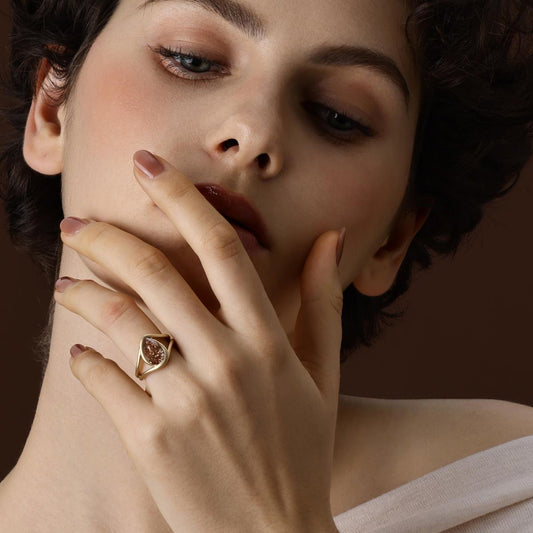
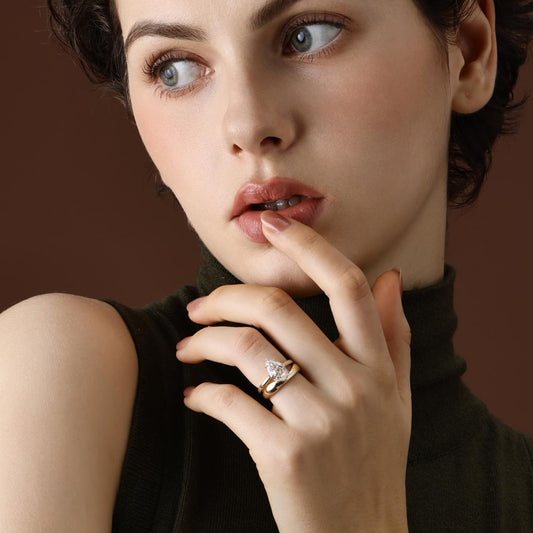
The pear shaped diamond offers a captivating teardrop silhouette that instantly draws the eye. This design beautifully merges the brilliant fire of a round stone with the elegant taper of a marquise. Choosing this distinct shape maximizes your surface area to create a highly impressive visual presence. The graceful curves also provide a natural lengthening effect for the hand.
We proudly feature these stunning lab grown diamonds across a variety of secure settings. You might prefer the quiet focus of a classic solitaire or the bold statement of an east west design. Our artisans engineer every piece to protect the delicate tip while amplifying pure sparkle. Find a ring that perfectly reflects your personal story.

-
Vendor:Elora Fine Jewelry
Avery-Pear Cut Lab Grown Diamond Ring
Regular price From $2,089.00From $2,089.00 Regular priceUnit price per$2,199.00Sale priceSale -
Vendor:Elora Fine Jewelry
Hannah-Pear Cut Lab Grown Diamond Ring
Regular price From $1,234.00From $1,234.00 Regular priceUnit price per$1,299.00Sale priceSale -
Vendor:Elora Fine Jewelry
Quinn-Pear Cut Lab Grown Diamond Ring
Regular price From $1,299.00From $1,299.00 Regular priceUnit price per -
Vendor:Elora Fine Jewelry
Violet-Pear Cut Lab Grown Diamond Ring
Regular price From $999.00From $999.00 Regular priceUnit price per -
Vendor:Elora Fine Jewelry
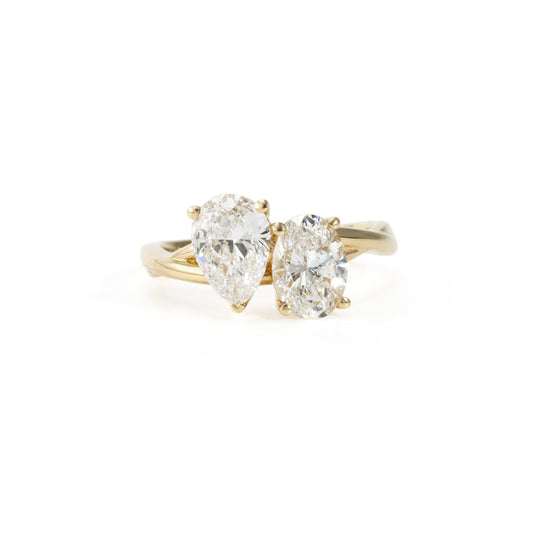
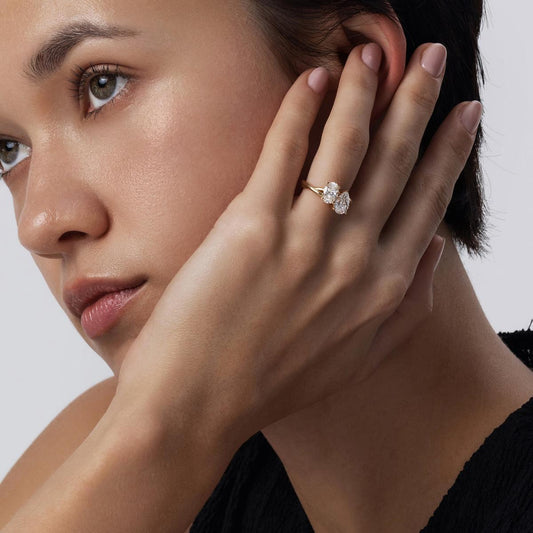
Ivy-Pear and Oval Cut Lab Grown Diamond Ring
Regular price From $1,799.00From $1,799.00 Regular priceUnit price per -
Vendor:Elora Fine Jewelry
Sofia-Pear Cut Lab Grown Diamond Ring
Regular price From $1,299.00From $1,299.00 Regular priceUnit price per -
Vendor:Elora Fine Jewelry
Giselle-Pear Cut Lab Grown Diamond Ring
Regular price From $1,234.00From $1,234.00 Regular priceUnit price per$1,299.00Sale priceSale -
Vendor:Elora Fine Jewelry
Remi-Pear Cut Lab Grown Diamond Ring
Regular price From $999.00From $999.00 Regular priceUnit price per -
Vendor:Elora Fine Jewelry
Ida-Pear Cut Lab Grown Diamond Ring
Regular price From $549.00From $549.00 Regular priceUnit price per -
Vendor:Elora Fine Jewelry
Gracie-Pear Cut Lab Grown Diamond Ring
Regular price From $1,299.00From $1,299.00 Regular priceUnit price per -
Vendor:Elora Fine Jewelry
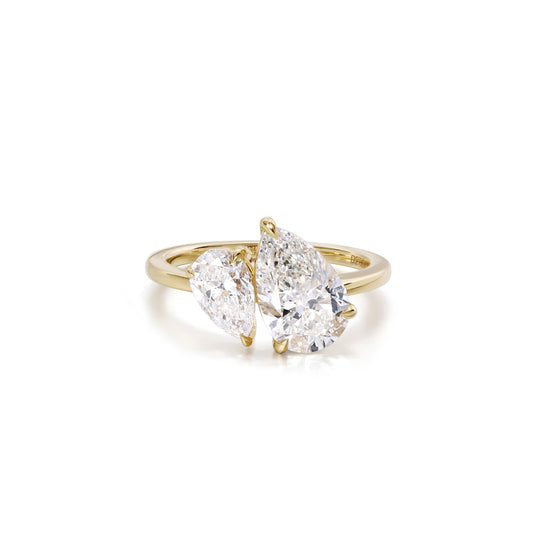
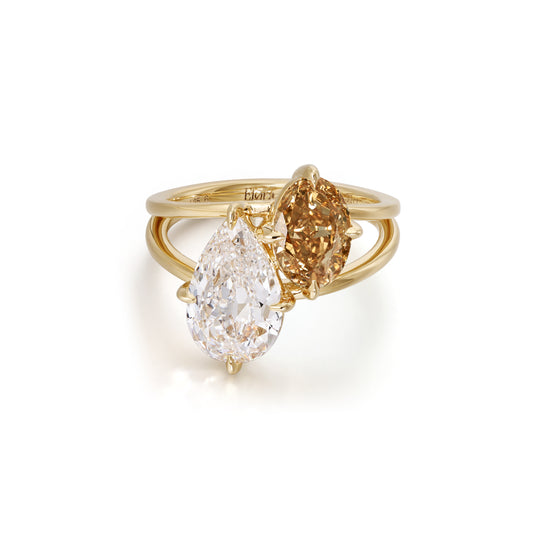
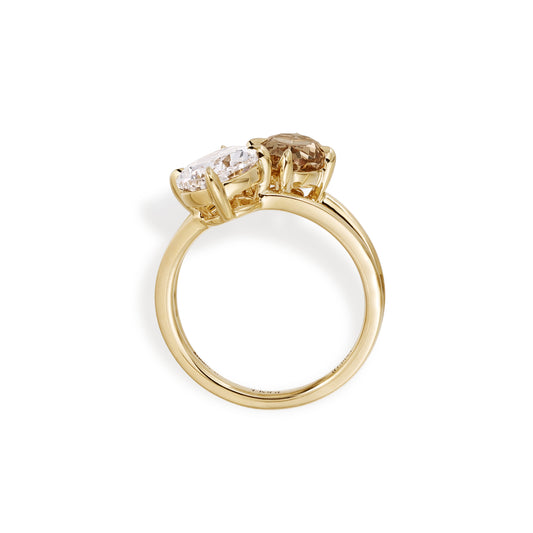
Kaia-Pear and Oval Lab Grown Diamond Engagement Ring
Regular price From $2,999.00From $2,999.00 Regular priceUnit price per -
Vendor:Elora Fine Jewelry
Jasper-Brown Pink Pear Lab Grown Diamond Engagement Ring
Regular price $4,099.00$4,099.00 Regular priceUnit price per -
Vendor:Elora Fine Jewelry
Kira-Champagne Pear Lab Grown Diamond Engagement Ring
Regular price $2,469.00$2,469.00 Regular priceUnit price per$2,599.00Sale priceSale -
Vendor:Elora Fine Jewelry
Celeste-Champagne Pear Lab Grown Diamond Engagement Ring
Regular price $4,179.00$4,179.00 Regular priceUnit price per$4,399.00Sale priceSale -
Vendor:Elora Fine Jewelry
Georgia-Step Cut Pear Lab Grown Diamond Engagement Ring
Regular price From $1,899.00From $1,899.00 Regular priceUnit price per$1,999.00Sale priceSale -
Vendor:Elora Fine Jewelry
Wave-Pear Cut Yellow Gold Lab Grown Diamond Engagement Ring
Regular price From $1,399.00From $1,399.00 Regular priceUnit price per -
Vendor:Elora Fine Jewelry
Eva-Pear Cut Lab Grown Diamond Pinky Ring
Regular price From $1,299.00From $1,299.00 Regular priceUnit price per -
Vendor:Elora Fine Jewelry
Lena-Pear Cut Lab Grown Diamond Engagement Ring
Regular price From $1,999.00From $1,999.00 Regular priceUnit price per -
Vendor:Elora Fine Jewelry
Faith-Pear Cut Lab Grown Diamond Chain Engagement Ring
Regular price From $1,599.00From $1,599.00 Regular priceUnit price per -
Vendor:Elora Fine Jewelry
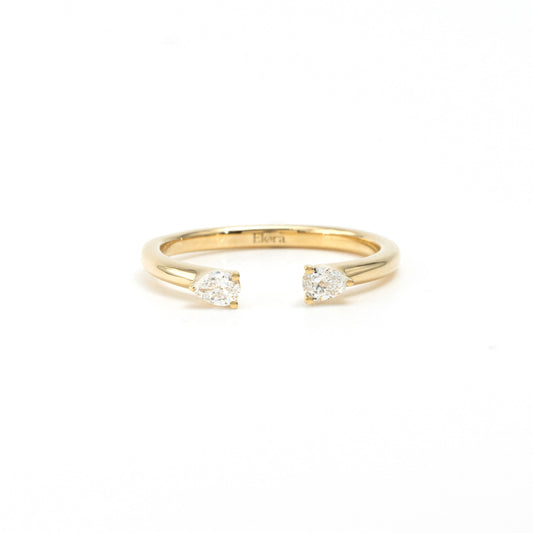
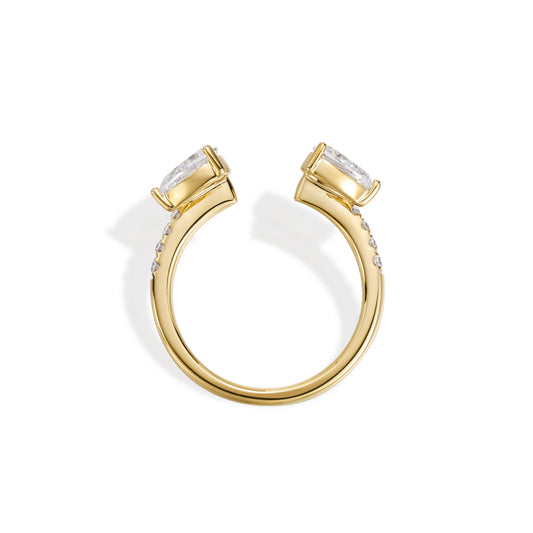
Everett-Pear Cut Lab Grown Diamond Ring Open Band
Regular price From $1,099.00From $1,099.00 Regular priceUnit price per









The Anatomy of a Perfect Pear Shaped Diamond
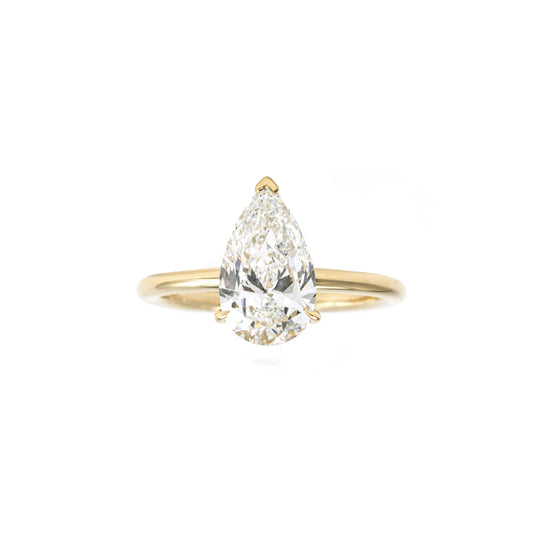
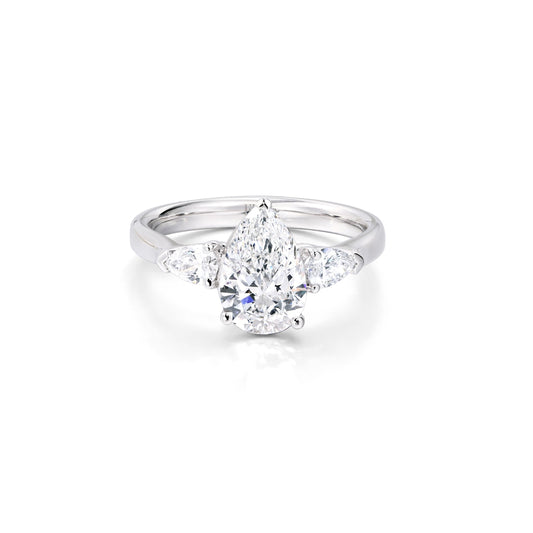
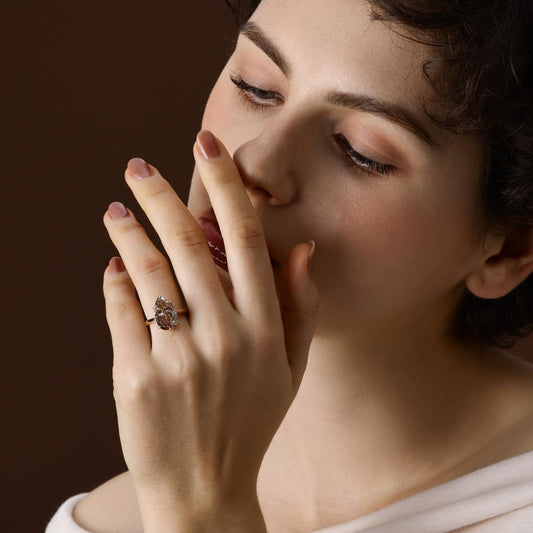
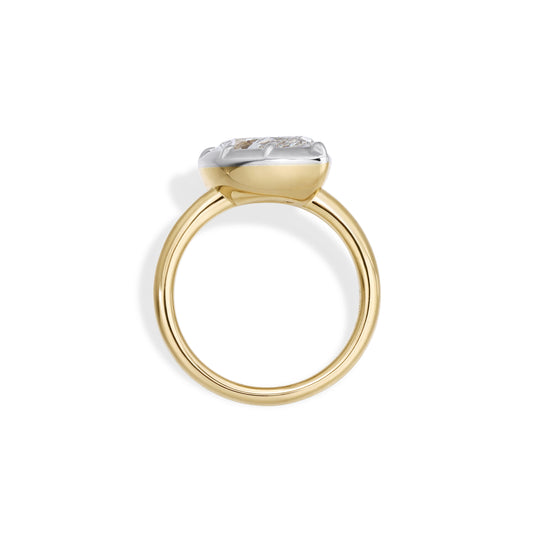
A well cut pear diamond relies on absolute visual symmetry along its vertical axis. The rounded base must form a perfect semicircle. The shoulders and belly need to curve smoothly as they taper toward the tip. We reject stones with flat sides or uneven slopes. Every pear shaped lab grown diamond in our collection features a pristine and continuous curve. This precise geometric structure allows light to travel evenly from the wide base straight through the delicate point.
Engineering the Pointed Tip
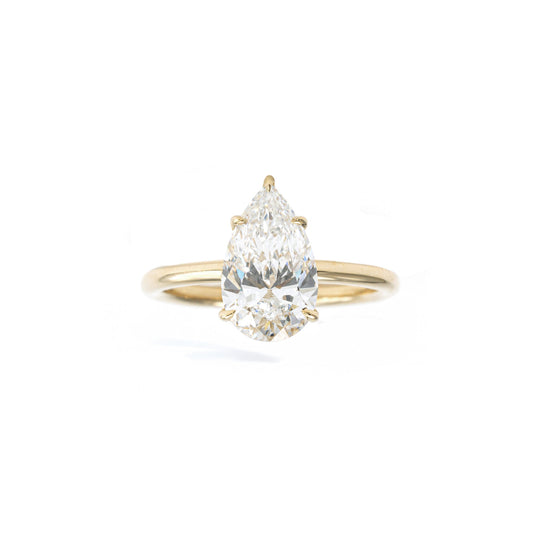
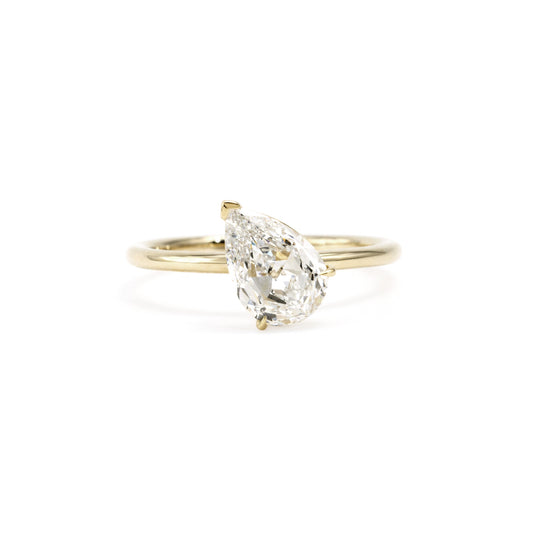
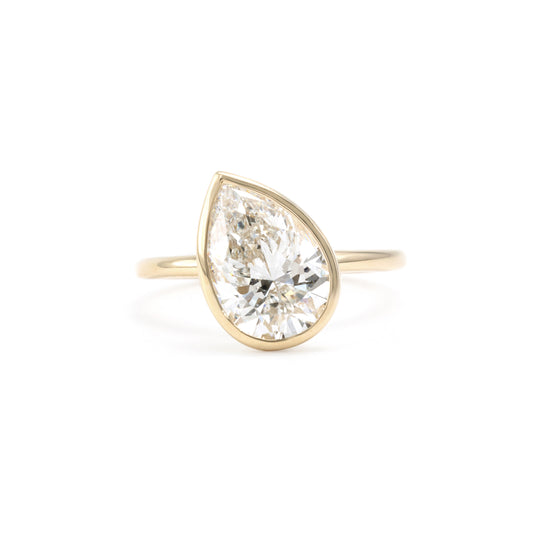
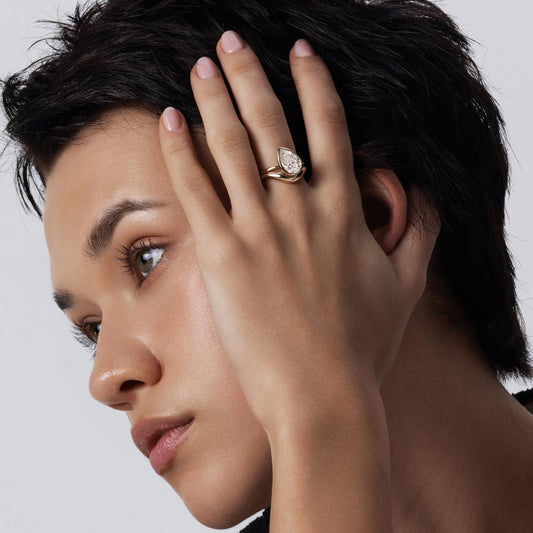
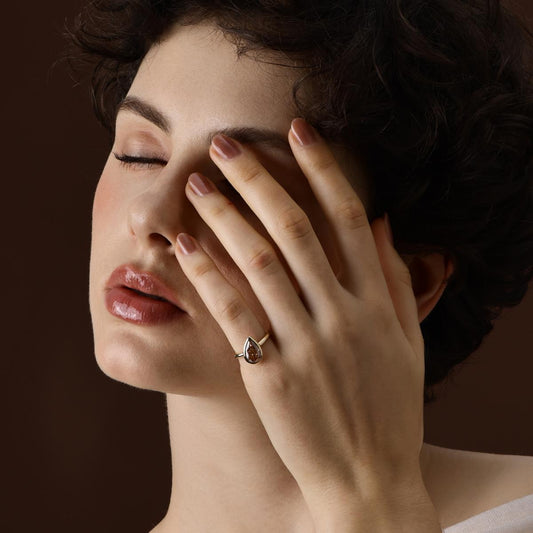
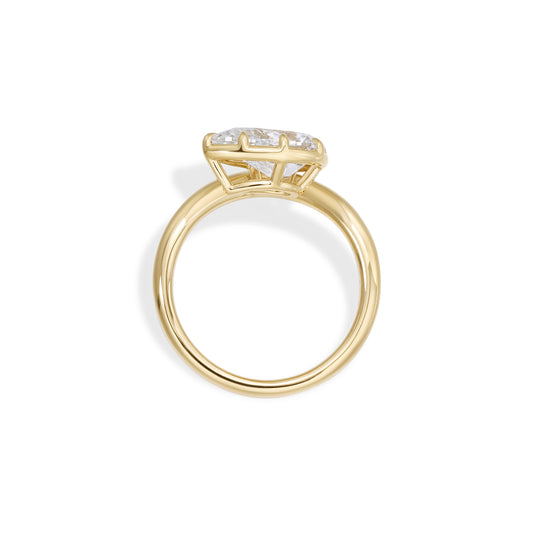
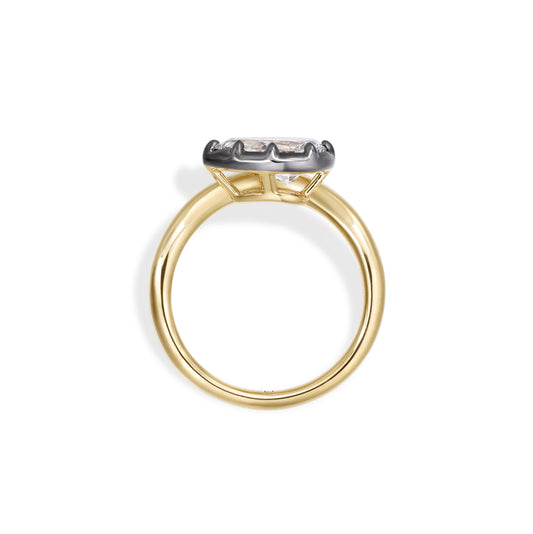
The most defining feature of a teardrop stone is its sharp end. This delicate point requires highly specialized metalwork. Our artisans protect this vulnerable area using a custom crafted solid gold corner or a secure bezel edge. We refer to this as a protective v prong. This specific setting absorbs daily impact completely. It preserves the crisp outline of the teardrop while securing the diamond firmly in place. You receive peace of mind without sacrificing visual elegance.
Directional Styling and Modern Settings
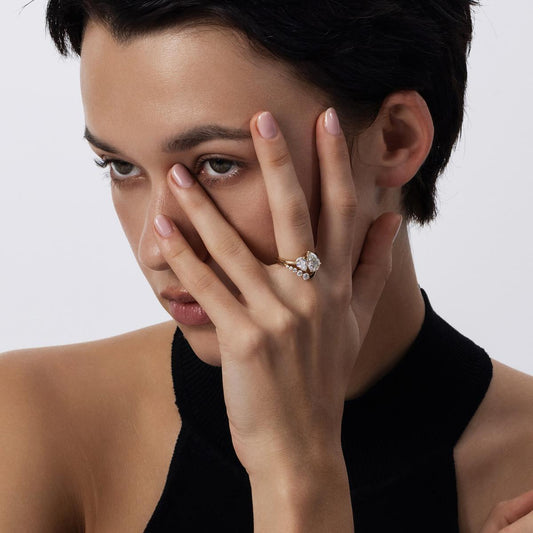
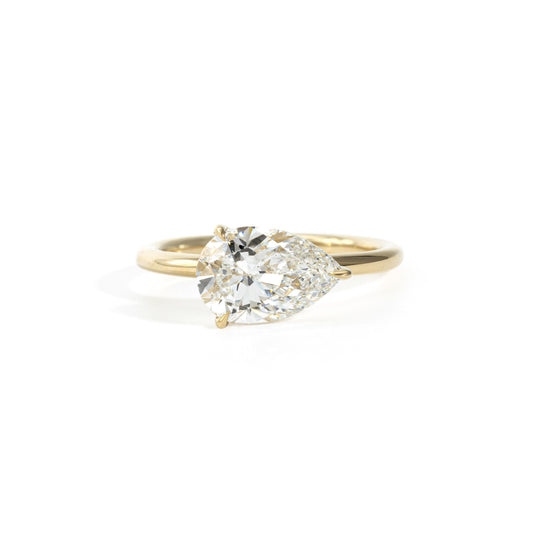
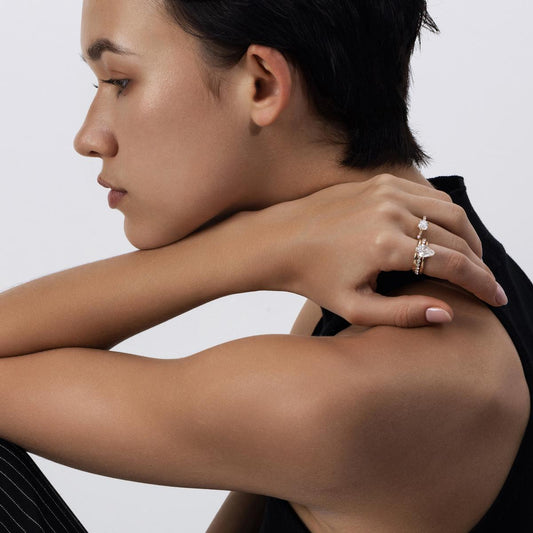
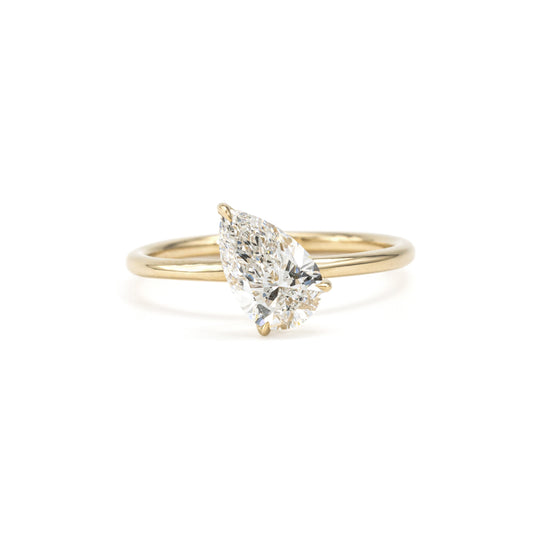
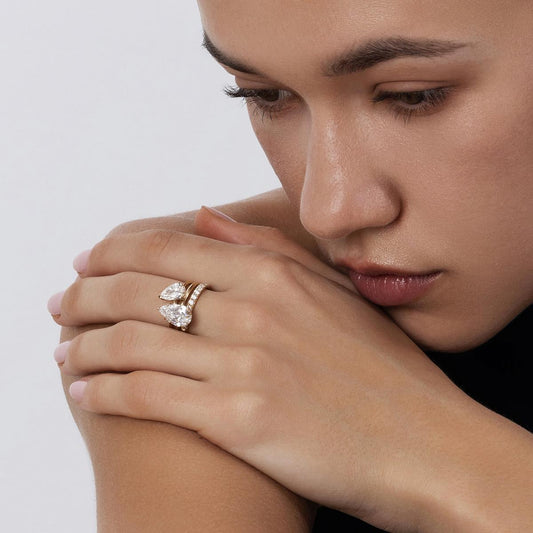
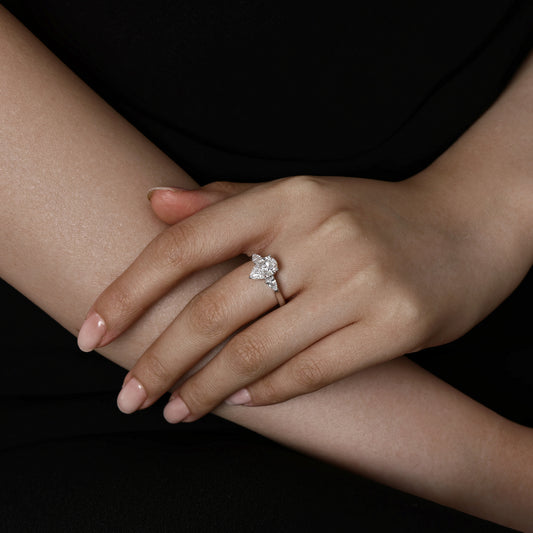
A pear shaped diamond offers complete freedom in how you wear it. Most buyers orient the point toward the fingernail to draw the eye outward. You can also turn the stone horizontally for a highly modern east west look. A classic pear cut solitaire keeps the focus entirely on the sharp teardrop silhouette. If you want maximum visual impact, the Kaia Pear and Oval Ring pairs the pointed tip with a soft oval diamond. This dual stone layout creates a striking sculptural presence on the hand.
Building Your Ring Stack
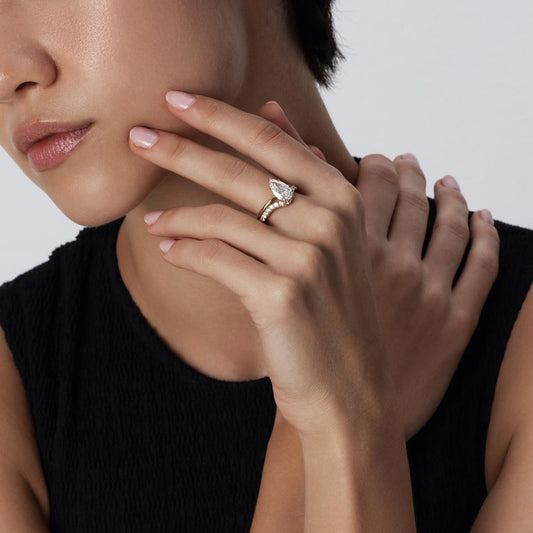
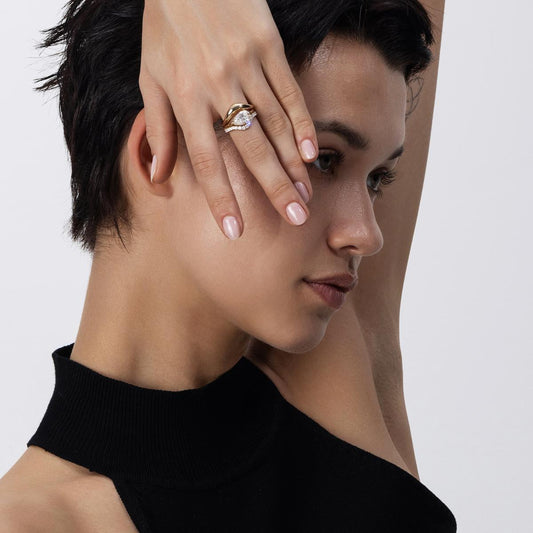
The distinct shape of a teardrop diamond requires careful thought when selecting a matching wedding band. A straight band leaves a small gap beneath the rounded base. Many buyers love this floating aesthetic. If you prefer a seamless fit, a chevron or curved contour band wraps perfectly around the bottom of the stone. We design our engagement rings with an elevated profile to accommodate your future wedding stack beautifully. You can build a cohesive look that secures your center stone while adding layers of extra brilliance.