Kategorie: Grüner Edelstein
Entdecken Sie die satten Farbtöne grüner Edelsteine, von üppigen Smaragden bis zu seltenen grünen Turmalinen. Ein perfekter Ausdruck der Schönheit der Natur in luxuriöser Form.

-
Anbieter:Elora Fine Jewelry
Juno-Ovalschliff Laborgefertigter Smaragd Edelsteinring
Normaler Preis $1,399.00$1,399.00 Normaler PreisStückpreis pro -
Anbieter:Elora Fine Jewelry
Rundschliff Laborgezüchteter Diamant Bubble Tennisarmband
Normaler Preis $2,899.00$2,899.00 Normaler PreisStückpreis pro -
Anbieter:Elora Fine Jewelry
Ohrstecker mit Altschliff-Diamanten, 6 Karat
Normaler Preis $699.00$699.00 Normaler PreisStückpreis pro -
Anbieter:Elora Fine Jewelry
Rundschliff Laborgezüchteter Diamant Bubble Tennisarmband
Normaler Preis $899.00$899.00 Normaler PreisStückpreis pro -
Anbieter:Elora Fine Jewelry
Ohrstecker mit Altschliff-Diamanten, 6 Karat
Normaler Preis $799.00$799.00 Normaler PreisStückpreis pro -
Anbieter:Elora Fine Jewelry
Jill-Cushion-Schliff Lab Grown Minzgrüner Saphir Edelsteinring
Normaler Preis $1,299.00$1,299.00 Normaler PreisStückpreis pro -
Anbieter:Elora Fine Jewelry
Jill-Kissen Schliff im Labor gezüchteter Paraiba Edelstein Ring
Normaler Preis $1,399.00$1,399.00 Normaler PreisStückpreis pro -
Anbieter:Elora Fine Jewelry
Aurelia-Quadratisch geschliffener, im Labor gezüchteter Smaragd-Edelsteinring
Normaler Preis $1,899.00$1,899.00 Normaler PreisStückpreis pro -
Anbieter:Elora Fine Jewelry
Sarah-Sugarloaf Cabochon Grüner Turmalin Edelsteinring
Normaler Preis $1,199.00$1,199.00 Normaler PreisStückpreis pro -
Anbieter:Elora Fine Jewelry
Evie-Ring mit grünem Turmalin im Ovalschliff
Normaler Preis $1,399.00$1,399.00 Normaler PreisStückpreis pro -
Anbieter:Elora Fine Jewelry
Ellie-Kissen-Schliff Grüner Spinell Edelsteinring
Normaler Preis $1,199.00$1,199.00 Normaler PreisStückpreis pro -
Anbieter:Elora Fine Jewelry
Ellie-Kissenschliff Grüner Turmalin Edelsteinring
Normaler Preis $1,299.00$1,299.00 Normaler PreisStückpreis pro -
Anbieter:Elora Fine Jewelry
Evie – Birnenförmiger lindgrüner Turmalin-Edelsteinring
Normaler Preis $1,499.00$1,499.00 Normaler PreisStückpreis pro











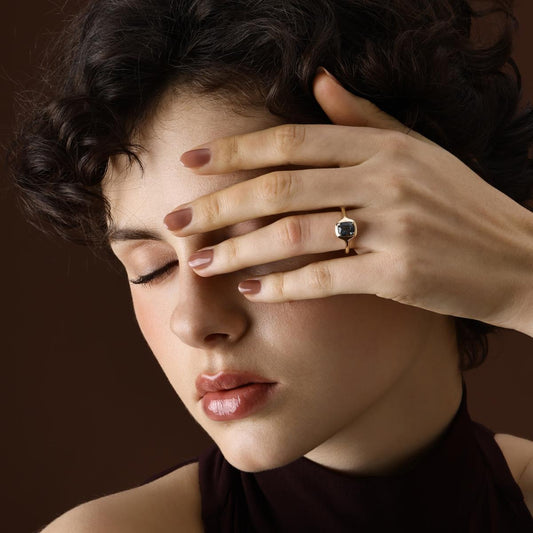

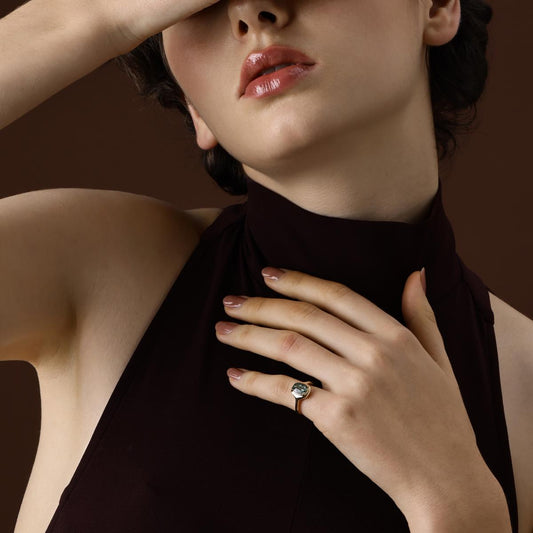

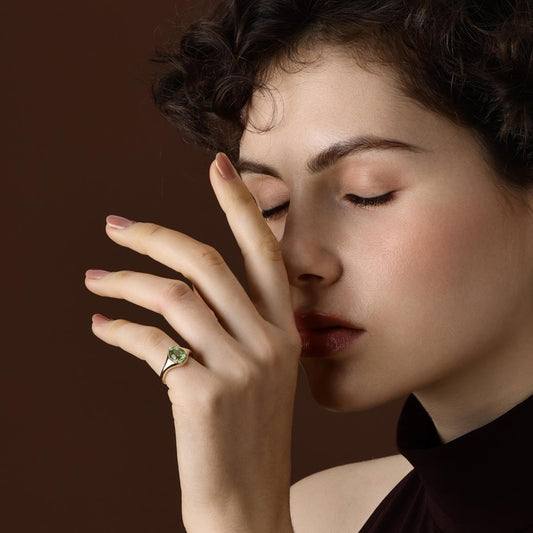
Green Across the Spectrum: From Emerald to Paraiba to Lime Tourmaline
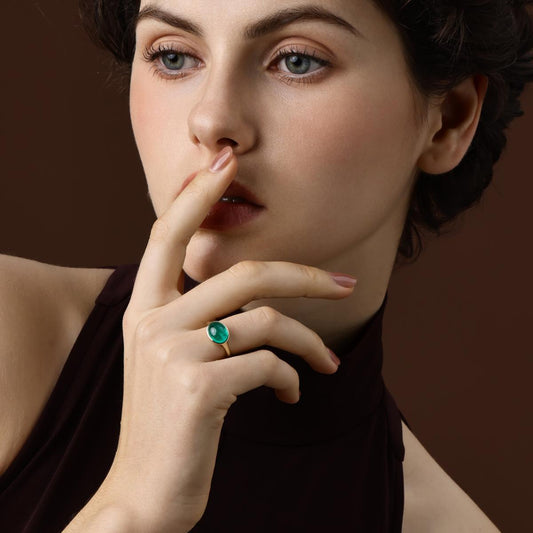
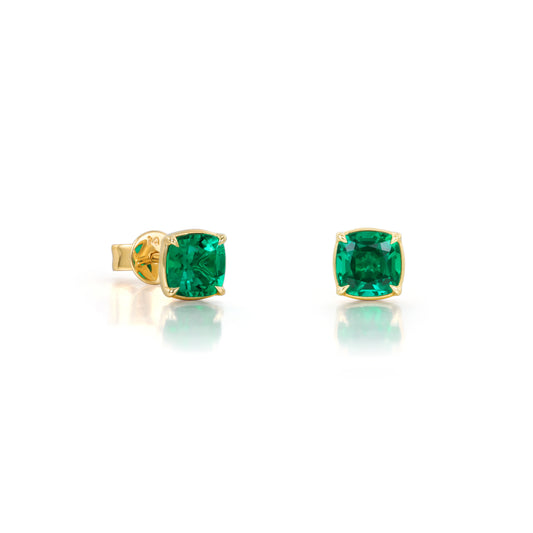
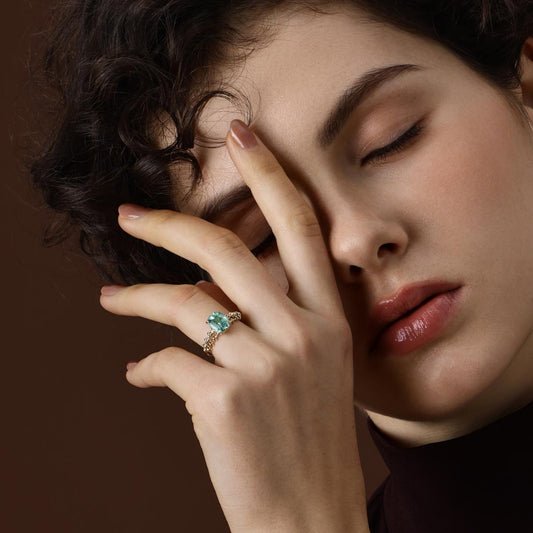
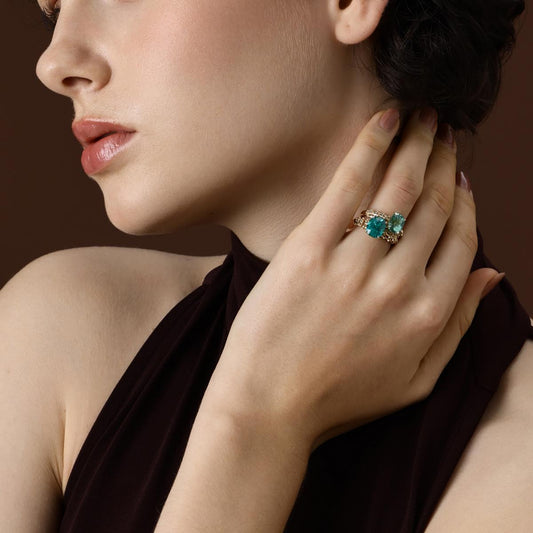
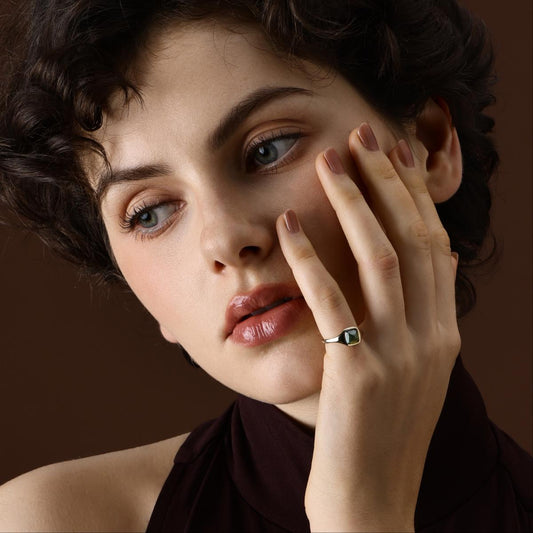
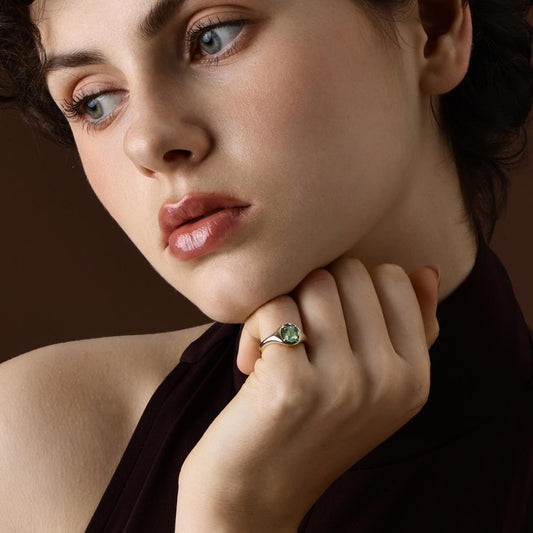
Green is the most chemically varied color in gemstones. Different minerals arrive at green through entirely different trace elements, and the result is that no two greens in this collection look the same. Emerald gets its color from chromium, which produces a deep, slightly bluish green with a warmth that no other stone replicates. Paraiba gets its color from copper, which produces something closer to teal or neon green, a tone that is visually unlike anything else in the gemstone world. Mint green sapphire is colored by iron and titanium at low concentrations, producing a pale, cool green that reads almost like a tinted white stone. Green tourmaline and green spinel fill the middle ground, each with its own character depending on the specific trace elements present in that stone.
Warm Greens and Cool Greens
The greens in this collection divide roughly into warm and cool. Emerald, lime green tourmaline, and green tourmaline sit on the warmer side, with yellower undertones that read as lush or vivid depending on the depth of color. Mint green sapphire, paraiba, and green spinel sit cooler, with blue undertones that give them a more restrained, contemporary quality. The choice between them is partly about the stone and partly about what the wearer wants the green to do: announce itself or complement.
Formats Across the Collection
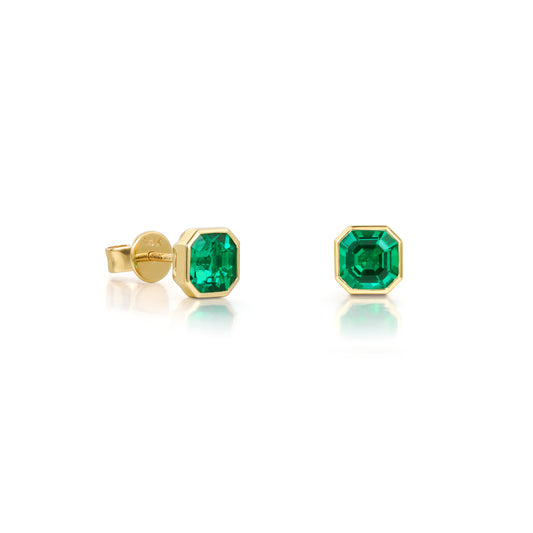
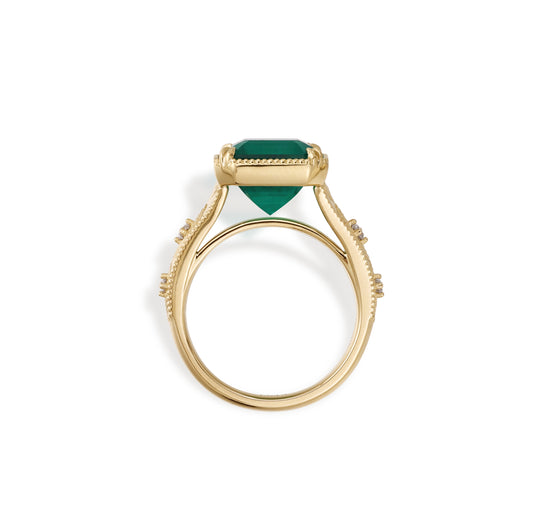
The collection spans rings, earrings, and bracelets, with cuts ranging from oval and cushion to asscher, pear, sugarloaf cabochon, and round. The asscher cut used in the emerald studs is a step cut with a square outline and cropped corners, which suits emerald well for the same reason baguette suits garnet: the step facets let color come through rather than competing with it. The sugarloaf cabochon in the green tourmaline ring takes a similar approach from a different direction, using a polished dome to let the stone's natural color read without the interruption of facets.
Frequently Asked Questions
Paraiba is a variety of tourmaline colored by copper, which produces a vivid blue-green or teal color with a neon quality that is unlike any other gemstone. Natural paraiba from the original Brazilian deposit is extremely rare and valuable. The stone in this collection is a lab-grown paraiba tourmaline, which has the same copper-colored character at a more accessible price point.
Emerald is beryl colored by chromium, with a deep, slightly bluish green and the internal characteristics known as jardin. Green tourmaline is a different mineral with a broader color range, from pale mint to deep forest green, and typically higher clarity than emerald. Tourmaline is also generally less expensive than emerald of comparable size and color.
Mint green sapphire is corundum with a very pale, cool green color produced by low concentrations of iron and titanium. It has the same hardness as blue sapphire at Mohs 9, making it highly durable for daily wear. The pale tone gives it a delicate, almost understated quality that is distinct from the more saturated greens in this collection.